Key Highlights
India has officially launched biometric electronic passports (e-passports) nationwide as part of the Passport Seva Programme (PSP) 2.0 digital transformation, with operations currently active across 13 major cities and expanding to all passport offices by mid-2025...
Key Highlights
India has officially launched biometric electronic passports (e-passports) nationwide as part of the Passport Seva Programme (PSP) 2.0 digital transformation, with operations currently active across 13 major cities and expanding to all passport offices by mid-2025
The Indian e-passport features an embedded Radio Frequency Identification (RFID) chip and antenna within the cover, securely storing encrypted personal and biometric data such as facial recognition and fingerprints for enhanced identity verification
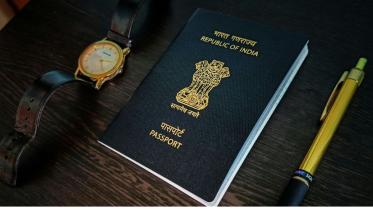
The e-passport bears a distinctive small gold-colored symbol on its front cover, visually differentiating it from ordinary passports and signifying compliance with international standards set by the International Civil Aviation Organization (ICAO)
This initiative aims to improve data integrity, prevent tampering, reduce fraud including counterfeit passports, and accelerate immigration processing through secure electronic authentication
Application procedures remain user-friendly with online submission via the Passport Seva portal, and police verification streamlined through innovations such as the mPassport Police App, reducing turnaround time to as little as 5-7 days in many regions
The rollout benefits travelers by facilitating smoother and faster border checks worldwide while maintaining compatibility with existing travel document frameworks; current passports remain valid until expiry, with e-passports issued at the time of renewal or fresh application
What Is an E-Passport?
The Indian e-passport combines the traditional physical passport booklet with a digital chip embedded inside the cover. This chip stores electronically secured data:
Personal information: name, date of birth, passport number, nationality
Biometric identifiers: facial images, fingerprints, and other biometrics enabling automated identity confirmation
Digital security features: Public Key Infrastructure (PKI), Basic Access Control (BAC), Passive Authentication (PA), and Extended Access Control (EAC) ensure encryption, authenticate data origin, and prevent unauthorized access
Together, these elements provide a tamper-resistant travel document aligned with global e-passport standards, safeguarding travelers against identity theft and travel document forgery.
Cities Currently Issuing E-Passports
As of mid-2025, Indian passport offices equipped to issue e-passports include:
Nagpur, Bhubaneswar, Jammu, Goa, Shimla, Raipur, Amritsar, Jaipur, Chennai, Hyderabad, Surat, Ranchi, Delhi
The government plans to extend e-passport issuance to all Passport Seva Kendras across India over the coming months, making this the new default passport type.
Who Can Apply?
Indian citizens applying for a new passport or renewing their existing passport are eligible to apply for the e-passport
There is no compulsion to switch; existing ordinary passports remain valid until their expiry date
Applicants of all age groups can choose the e-passport option during application or renewal processes
How to Apply for an E-Passport Online
The application process is integrated into the existing Passport Seva online system:
Register or log in on the Passport Seva portal (passportindia.gov.in)
Fill out the passport application form selecting the e-passport option where prompted
Upload requisite documents, including proof of date of birth, proof of address, and identity documents as per the new 2025 guidelines
Pay applicable fees online (no fee increase over regular passports)
Schedule and attend a police verification process, which may be expedited through the mPassport Police App in participating regions
Visit the Passport Seva Kendra at the appointed date for biometric information capture and document verification
Track application status online until e-passport dispatch
Benefits of E-Passports
Enhanced Security: Encryption and chip-based security reduce risks of data alteration and identity fraud
Faster Immigration: Automated border control gates worldwide use e-passport data for swift processing, reducing queues
Global Recognition: e-passports meet ICAO standards, facilitating smoother international travel
Digital Integration: Part of broader Passport Seva 2.0 digital reforms improving service delivery and user experience
No Additional Cost: Issued at no extra charge compared to standard passports, providing an accessible upgrade
Additional Innovations
The mPassport Police App digitizes and accelerates police verification, a critical step for passport issuance, already reducing waiting times to between 5-7 days in 25 states and union territories
The PSP V2.0 system modernizes backend processes for seamless application handling and improved grievance redressal
Conclusion
India’s launch of e-passports marks a significant milestone in modernizing travel documentation for its citizens, aligning the country with over 120 nations using biometric passports. By fusing robust digital security with streamlined service delivery, the e-passport enhances the safety and convenience of international travel while supporting India’s expanding global presence. Whether applying afresh or renewing, Indian travelers now enjoy a future-ready electronic passport designed for speed, security, and simplicity.
Sources: India Briefing