Current earthquakes have caused considerable dislocations within tourist markets in Myanmar, Thailand, and Santorini with issues revolving around safety, economic effects, and ultimate recovery.
Myanmar and Thailand: Ruin and Difficulty
On March 28, 2025, a 7.7-magnitude earthquake struck...
Current earthquakes have caused considerable dislocations within tourist markets in Myanmar, Thailand, and Santorini with issues revolving around safety, economic effects, and ultimate recovery.
Myanmar and Thailand: Ruin and Difficulty
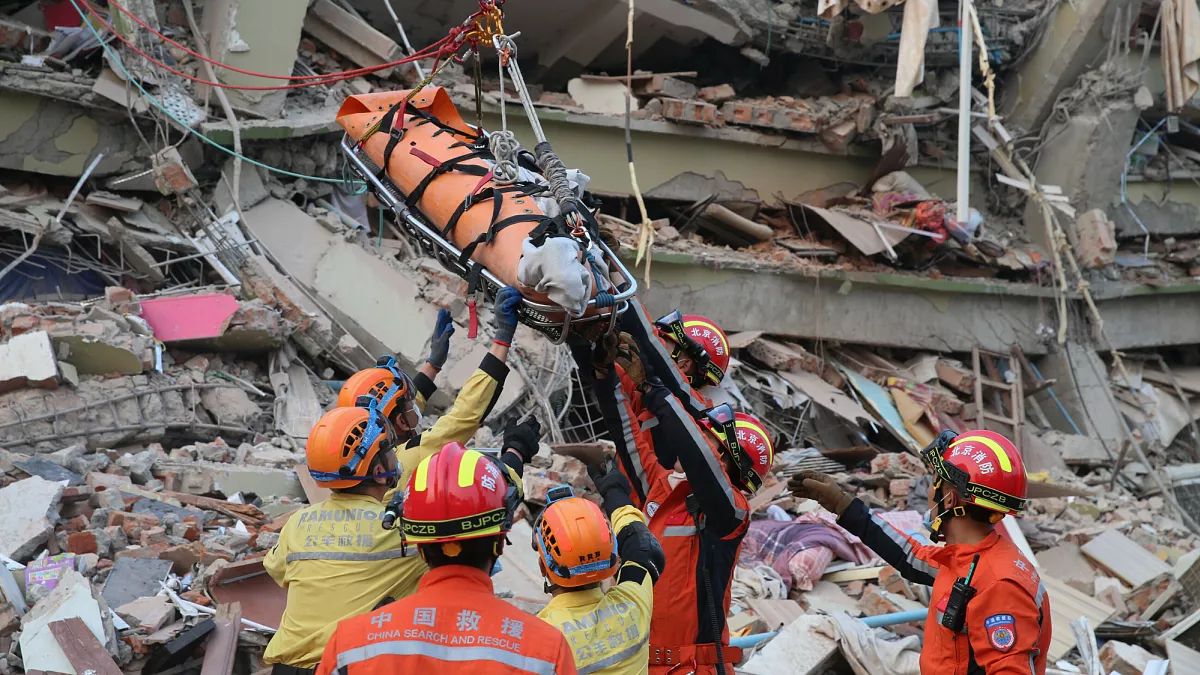
On March 28, 2025, a 7.7-magnitude earthquake struck Myanmar, with tremors felt as far as in the capital city of Thailand, Bangkok. Myanmar suffered catastrophic damage, with over 1,700 deaths, 3,400 wounded, and thousands displaced. Mandalay's historic landmarks were severely hit, ruining the tourism sector. A state of emergency has been declared in six states, and foreign aid is requested to deal with widespread damage to buildings and highways.
Thailand also experienced harsh disruptions as the earthquake caused building collapses in Bangkok near Chatuchak Market. While major airports continue to operate and most of the infrastructure remains intact, safety has momentarily postponed visitor confidence. Tourism-dependent businesses are anticipating cancellations as aftershocks continue to threaten.
Santorini: Volcanic Activity Raises Concerns
Santorini Island, Greece, has been enduring a chronic "earthquake swarm" since January 2025 with over 800 earthquakes. On February 5, the largest earthquake, which had a magnitude of 5.2, was felt in Athens, Crete, and parts of Turkey. Thousands of tourists and inhabitants were evacuated from the island anticipating potential volcanic eruption linked to the Kolumbo submarine volcano.
Greek officials have ordered precautionary actions including traffic bans in risk zones and draining swimming pools in order to anchor buildings. An emergency program worth €3 million has been approved to create alternative evacuation paths in the southern part of Santorini. Seismologists may assert that there is no short-term threat of eruption, but frequent earthquakes still make life and tourist activities challenging on the island.
Economic Impact on Tourism Markets
The quakes have inflicted a major setback on tourism-oriented economies:
• Myanmar: Already suffering from political instability, the loss of cultural icons is just another blow. Recovery will likely take years.
• Thailand: While infrastructure remains largely intact, safety fears might deter tourists in the short run.
• Santorini: With the island being so reliant on tourism, prolonged seismic activity can wipe out local businesses during high-tourist seasons.
Safety Measures and Recovery Efforts
Governments are also placing highest priority on disaster preparedness to minimize the likelihood of future disasters:
• Rescue teams in Myanmar are attending to short-term needs while engineers survey damage to infrastructure along the Sagaing Fault.
• Thai authorities are strengthening building inspections and emergency protocols in tourist areas like Bangkok.
• Greece has invested in evacuation routes on Santorini and is monitoring geology closely.
These catastrophes highlight the vulnerability of tourist markets to natural disasters. Tourists are advised to keep themselves informed and insured with travel insurance for further protection. Though places like Santorini have high hopes for rehabilitation due to their global fame, Myanmar still has a long way to recover its tourism industry.
With earthquakes continuing to strike these destinations, governments must balance short-term security concerns with long-term strategies for sustainable tourism development.
Source: Euronews, AP News, Forbes