Eid-e-Milad, also known as Milad-un-Nabi or Mawlid, is a significant Islamic festival commemorating the birth anniversary of Prophet Muhammad, the final messenger of Islam. Celebrated on the 12th day of Rabi' al-Awwal, the third month of the Islamic lunar calendar, Eid-e-Milad holds profound...
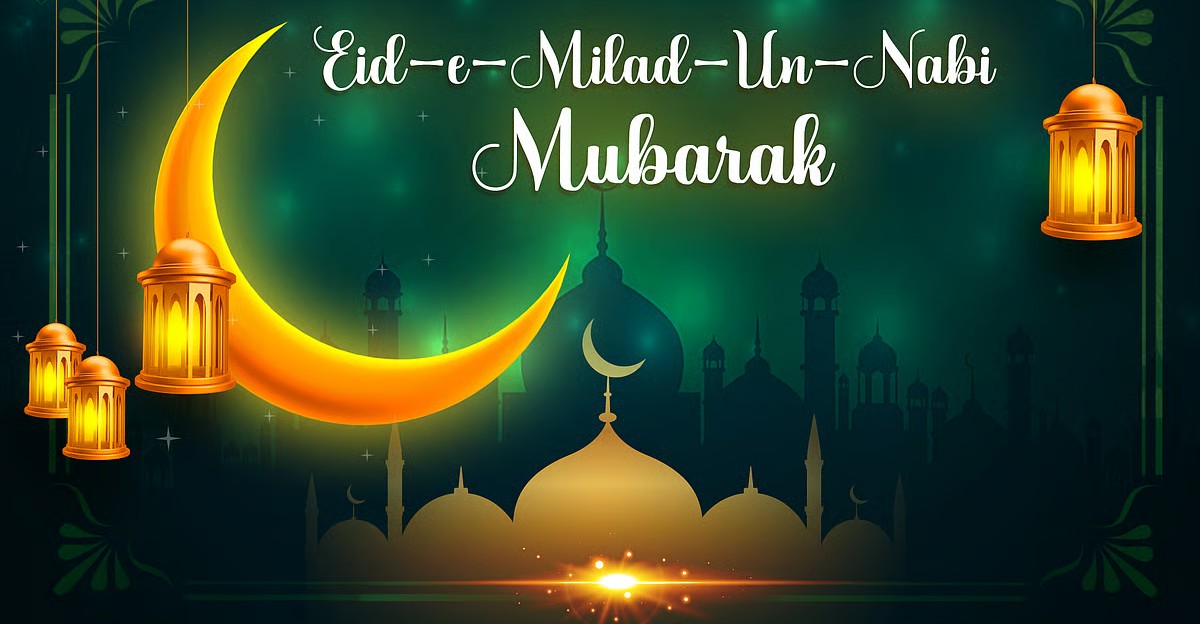
Eid-e-Milad, also known as Milad-un-Nabi or Mawlid, is a significant Islamic festival commemorating the birth anniversary of Prophet Muhammad, the final messenger of Islam. Celebrated on the 12th day of Rabi' al-Awwal, the third month of the Islamic lunar calendar, Eid-e-Milad holds profound religious and cultural significance for many Muslims worldwide. While it marks the joyous occasion of the Prophet’s birth, this festival differs fundamentally from Eid-ul-Fitr, which celebrates the end of Ramadan, the Islamic month of fasting. Understanding the origins, significance, and unique observances of Eid-e-Milad enriches appreciation for its special place in Islamic tradition.
Key Highlights Of Eid-e-Milad
Eid-e-Milad marks the birth anniversary of Prophet Muhammad, believed to have been born in Mecca in 570 CE on 12th Rabi' al-Awwal.
The day is observed with prayers, Quranic recitations, processions, and charitable acts honoring the Prophet’s teachings of compassion, justice, and unity.
Eid-e-Milad is traditionally celebrated by Sufi and Barelvi sects, featuring gatherings where poetry, hymns, and speeches narrate the Prophet’s life and message.
The festival includes community feasts, mosque decorations, and public gatherings, fostering spiritual reflection and communal harmony.
Some Islamic sects do not observe Eid-e-Milad, viewing it as an innovation without precedent in early Islamic practices.
Historical Origins And Evolution
The earliest recorded celebrations of the Prophet Muhammad’s birthday trace back to the Fatimid dynasty in Egypt during the 11th century. Initially confined to certain regions, the observance spread across the Muslim world over centuries. Celebrations evolved to include public festivities with religious poetry, sermons, and communal prayers, particularly influenced by Sufi traditions emphasizing spiritual devotion.
The name “Mawlid” literally means “birth” in Arabic, symbolizing the birth of the Prophet as a moment of divine blessing and guidance for humanity. Historical figures like Imam al-Busiri contributed to the devotional culture with works such as the famous “Qasidah al-Burda,” poems praising the Prophet recited during Eid-e-Milad gatherings.
How Eid-e-Milad Differs From Eid-ul-Fitr
Unlike Eid-ul-Fitr, which marks the end of Ramadan’s month-long fast and is celebrated with joyous feasting, gift exchanges, and communal prayers, Eid-e-Milad focuses on commemorating the Prophet’s life and spiritual legacy. Eid-ul-Fitr is a time of gratitude for divine guidance and sustenance through fasting, while Eid-e-Milad is more reflective, highlighting the virtues and teachings of the Prophet as a moral exemplar.
Both festivals serve vital communal roles but hold distinct theological and historical purposes within Islam. Eid-ul-Fitr is universally observed among Muslims, whereas Eid-e-Milad’s observance varies across different Islamic schools of thought.
Celebration Practices And Cultural Significance
Eid-e-Milad involves several heartfelt observances:
Morning prayers and special sermons highlighting the Prophet’s wisdom and compassion.
Quranic recitations and collective greetings of “Salawat,” blessings recited for the Prophet.
Cultural processions with rhythmic chanting and decorative displays in towns and cities.
Acts of charity and feeding the needy, reflecting the Prophet’s emphasis on generosity.
Public lectures and storytelling sessions educating younger generations about Islamic history and ethics.
The festival strengthens communal bonds and reaffirms shared faith and identity among Muslims. It is a day of joy and spiritual renewal, encouraging adherents to embody the Prophet’s teachings in daily life.
Who Celebrates Eid-e-Milad And Why It Matters Today
Eid-e-Milad is especially significant among Sufi and Barelvi Muslim communities, who emphasize the devotional and mystical aspects of Islam. The festival’s rich traditions offer a festive yet contemplative atmosphere reconnecting believers with Islamic heritage and spiritual purpose.
In contemporary contexts, Eid-e-Milad promotes messages of peace, tolerance, and social justice. It reminds the global Muslim community of the universal values imparted by the Prophet Muhammad, fostering unity amid diversity.
Conclusion: Reflecting On The Legacy Of The Prophet Through Eid-e-Milad
Eid-e-Milad-un-Nabi is much more than a birthday celebration; it is a spiritual commemoration that calls Muslims to remember and live by the exemplary character of Prophet Muhammad. Its unique significance alongside other Islamic festivals like Eid-ul-Fitr highlights the rich tapestry of Islamic cultural and religious life. As millions celebrate this sacred day, the focus remains on compassion, kindness, and justice—the core ideals that continue to inspire humanity today.
Sources: Wikipedia, Hindustan Times, NDTV, Indian Express, Economic Times