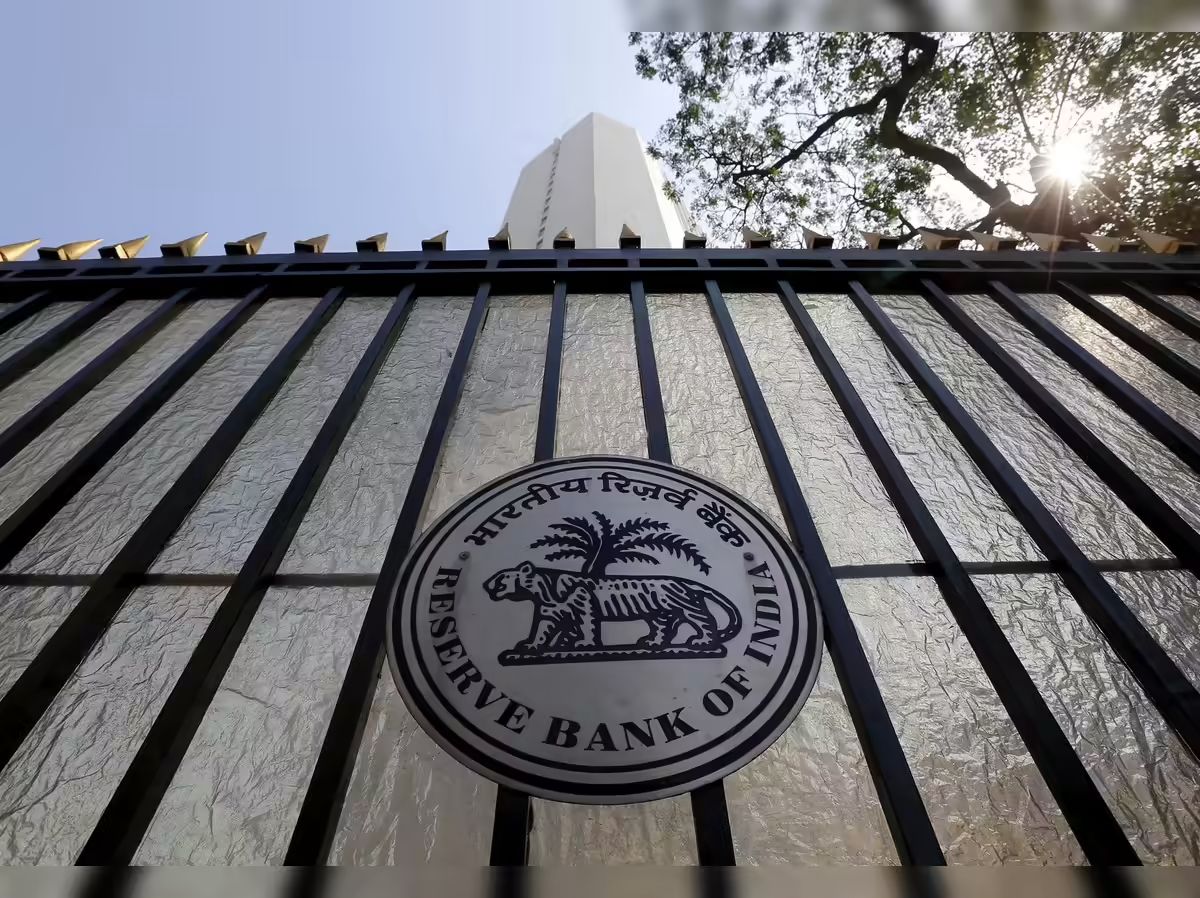
The Reserve Bank of India has tightened credit rules for commercial bank lending to REITs and InvITs. Effective April 1, 2027, the final norms permit financing only for completed, cash-generating assets, while capping exposure at 49%. The rules mandate amortized repayments and explicitly reject industry demands for land and under-construction refinancing.
MUMBAI, India — In a major regulatory intervention aimed at protecting the domestic financial system from indirect credit risks, the Reserve Bank of India (RBI) has systematically tightened the rules governing commercial bank loans to Real Estate Investment Trusts (REITs) and Infrastructure Investment Trusts (InvITs).
In the final rules issued on Wednesday, June 10, 2026, the central bank drew a firm line on indirect lending to infrastructure vehicles, formally rejecting intense pushing from banks and market participants for greater flexibility on funding tokenized assets. The final guidelines explicitly prohibit commercial lenders from financing speculative land acquisitions or extending refinancing packages to under-construction, greenfield projects, protecting bank balance sheets from long-gestation real estate hazards.
The Core Philosophy: Real Assets, Real Cash Flows
The regulatory framework centers on a clear compliance mandate designed to isolate bank capital from high-risk, non-earning assets. The banking regulator clarified its firm stance by stating that commercial lenders are prohibited from indirectly supporting projects that banks are barred from backing directly under existing statutes.
To ensure commercial bank funds are channeled exclusively into stable, mature, and income-producing investments, the central bank has instituted a strict asset performance threshold for infrastructure trusts:
InvIT Infrastructure Floor: Not less than 80% of the value of the InvIT’s assets must be invested in completed and revenue-generating infrastructure projects.
The Refinancing Boundary: The RBI rejected demands to permit the refinancing of construction-stage facilities, limiting standard refinancing strictly to operational or completed projects. Under-construction projects can only access refinancing under a Syndication arrangement in terms of extant Project Finance directions.
Eliminating Repayment Risk: The Ban on Bullet Loans
The final guidelines introduced a major operational adjustment by completely banning bullet or ballooning principal repayment structures for all credit facilities extended directly to investment trusts.
Mandatory Regular Amortization
Under the newly finalized rules, banks may extend loans to REITs only without bullet or ballooning principal repayments. The RBI clarified that while repayment structures can still be aligned with underlying cash flows—including structured step-up schedules—a disproportionate portion of repayments should not be concentrated in the terminal phase of the loan tenure. Crucially, the central bank noted that this structural restriction will not be applicable to banks' exposure to a REIT or InvIT through its investment portfolio in the form of bonds, debentures, and commercial paper.
Systemic Concentration Caps
To limit concentration risk across the banking sector, the central bank capped the aggregate bank credit exposure to a REIT and its underlying special purpose vehicles (SPVs) and holding companies at 49% of the REIT's asset value. This exposure limit must be verified based on the previous financial year-end or the latest half-yearly valuation, whichever is later.
Operational Security and Risk Weights
The RBI expanded operational capabilities by extending the acquisition finance facility—earlier available only to InvITs—to REITs as well. However, it barred small finance banks from extending this type of financing to either asset class.
To secure public deposits, all bank lending to REITs must be fully secured through:
Mortgages over identified assets.
Assignment of rental cash flows and receivables.
Pledges over equity in underlying SPVs and other enforceable security interests.
A charge over underlying immovable property will be mandatory where financing is extended for the acquisition, development, or refinancing of related debt, regardless of the deal structure.
Furthermore, risk weights have been set at 100% for commercial bank exposures to REITs, rising to 125% if classified as capital market exposure. Overseas bank branches funding REITs constituted overseas will attract a 150% risk weight. Lending by overseas branches of Indian banks under syndication arrangements will remain exempt from most domestic lending directions, provided Indian participation does not exceed 20% of the total transaction funding.
Official Sources Section
The asset-quality floors, risk-weight percentages, amortization mandates, and regulatory exclusions mapped out in this financial report are compiled directly from the final statutory policy guidelines published by the Reserve Bank of India on Wednesday, alongside corporate lending parameters monitored via Livemint Banking Desk Reports.
Quote Section
"According to officials and monetary policy directors supervising the commercial credit ecosystem, keeping bank funding away from construction-stage real estate hazards remains a non-negotiable priority," noted institutional finance analysts tracking the developments.
Highlighting the risk-management logic behind rejecting the industry's refinancing demands, the RBI regulatory oversight team stated in their final order:
"As a principle, activities that cannot be undertaken directly shall also not be undertaken indirectly... Refinancing of under-construction projects is permitted only under a Syndication arrangement in terms of the extant Directions on Project Finance."
Why It Matters
For banking institutions, institutional investors, and trust unitholders, the final rules establish clear boundaries for long-term real estate leverage. By allowing banks to fund finished acquisitions, the framework gives mature, well-run trusts access to stable capital pipelines, improving overall market efficiency. However, by blocking bank funding for raw land and construction-stage refinancing, the regulator protects commercial depositors from the risk of delayed infrastructure projects. This clear boundary ensures that India's growing REIT and InvIT markets remain anchored strictly to cash-flow-tested assets.
Key Facts at a Glance
The Enforcement Date: The final banking credit directions will officially take effect across the industry on April 1, 2027.
Cash Flow Floor: Infrastructure trust funding is restricted to vehicles where at least 80% of InvIT assets are invested in completed, revenue-generating projects.
Prohibited Financing: The central bank completely rejected industry pushes to fund raw land acquisition or broad construction-stage refinancing.
Repayment Security: The updated guidelines ban risky bullet or ballooning principal repayments, forcing loans to utilize amortized schedules.
Systemic Credit Cap: The collective bank lending exposure to a trust and its underlying SPVs is hard-capped at 49% of its total asset value.
Frequently Asked Questions (FAQ)
Can Small Finance Banks provide acquisition financing to REITs under these rules?
No. The Reserve Bank of India’s updated framework explicitly bars small finance banks from extending acquisition finance facilities to either REIT or InvIT structures, restricting those operations to larger commercial institutions.
How does the removal of the three-year operational history rule impact new trusts?
In line with industry suggestions, the RBI removed the requirement that an investible REIT must have at least three years of operational history. This ensures that newly formed REITs and InvITs are not excluded from bank financing even if the trust itself is new, provided their underlying physical assets have long operating track records and stable cash flows.
What are the final risk weights assigned to bank loans given to REITs?
Standard commercial bank exposures to REITs carry a baseline risk weight of 100%. However, this requirement increases to 125% if the specific bank loan is technically classified as a capital market exposure. Overseas branches of Indian banks funding REITs formed overseas will attract a higher 150% risk weight.
Source: Reserve Bank of India Official Regulatory Directives and Livemint Industry Banking Analysis.