India’s electric vehicle segment is seeing sharp growth, with consumer demand outstripping factory capacities across major regions. While multi-model portfolios and government subsidies have successfully driven mainstream adoption, automakers now face the critical task of resolving deep semiconductor bottlenecks and input cost pressures to protect corporate margins.
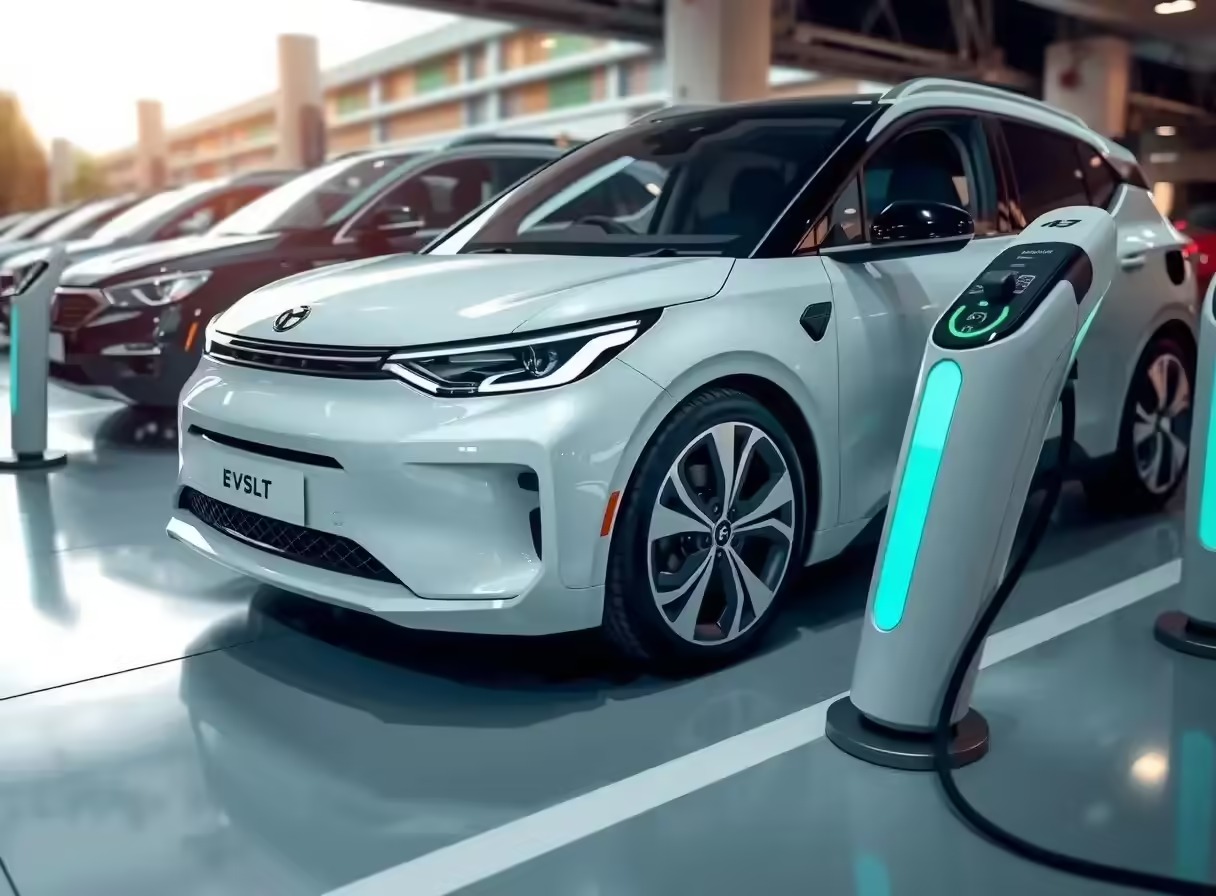
NEW DELHI, India: India’s automotive sector is experiencing a significant surge in demand for electric mobility, driven by escalating fossil fuel costs and an influx of newly launched mass-market clean energy models. Market data released on June 2, 2026, indicates that consumer bookings and inquiries for electric vehicles (EVs) have outpaced seasonal projections. However, this momentum has brought critical supply-side vulnerabilities to the forefront, as domestic auto manufacturers face mounting component bottlenecks, raw material cost pressures, and a widening mismatch between production output and consumer order pipelines.
Consumer Demand Outstrips Factory Allocations
Recent consumer behavior studies reveal a sharp reversal in previous market cycles across Indian metropolitan hubs. Market intelligence indicates that the local automotive ecosystem is currently constrained by supply limitations rather than demand deficiencies. Automakers are struggling to align factory production rates with consumer booking volumes.
This sustained demand is not merely a reaction to volatile fuel retail pricing. An analysis of consumer trends reveals that the recent expansion of electric product portfolios by prominent listed automakers has democratined access to clean mobility. This diversification has moved electric options past the initial early-adopter circle and into mainstream, volume-driven consumer groups.
Supply Chain Realities and Margin Pressures
To scale assembly operations effectively, automakers must navigate intricate logistical and part-supply challenges. Chief among these bottlenecks is the elevated volume of microchips required for electric architectures. Modern internal combustion engine (ICE) passenger cars utilize roughly 1,200 individual semiconductors; conversely, a standard electric vehicle integrates upwards of 2,700 chips, multiplying supply dependencies.
Furthermore, domestic manufacturers face continuous cost pressures stemming from imported battery assemblies and cell materials. While the total cost of ownership for an EV over its lifespan remains highly favorable to consumers, manufacturers face compressed gross margins due to global material volatility and localized logistical delays. Independent sector reports warn that unless component localization scales rapidly, the industry's near-term profitability curves could soften even as gross delivery volumes hit records.
Policy Interventions Stimulate Two-Wheeler Markets
The shift toward sustainable transport is most pronounced within India's massive two-wheeler vertical. Data compiled via the central government’s vehicle registration platform, Vahan, highlights a significant generational pivot in consumer buying patterns over the past four fiscal periods.
| Fiscal Period | Petrol Two-Wheeler Sales | Electric Two-Wheeler Sales |
| FY 2022 | 13.20 Million Units | 252,787 Units |
| FY 2026 | 11.00 Million Units | 1.46 Million Units |
The state-backed PM E-Drive subsidy program has been a cornerstone of this transition, anchoring initial adoption by offering a financial framework pegged at ₹5,000 per kilowatt-hour (kWh) of battery capacity in its introductory year, before tapering to ₹2,500 per kWh in subsequent cycles. However, as available budgetary allocations for two-wheeled applications near exhaustion, ministries and auto manufacturer groupings are actively consulting on expanded financial pipelines to sustain market momentum and reduce India's heavy reliance on imported crude oil.
Official Sources Section
Operational insights, trade metrics, and macroeconomic data utilized within this report are synthesized directly from public briefings issued by BofA Global Research and comprehensive consumer data tracks logged by the Ministry of Road Transport and Highways on the central Vahan Dashboard. Additional policy data and budgetary project updates were extracted from official policy notifications managed by the Ministry of Heavy Industries.
Quote Section
"Every company is actually struggling to meet the demand. The sector is currently grappling with supply limitations rather than demand deficiencies, a structural reversal from previous domestic market cycles."
Gunjan Prithyani, Senior Analyst for Automobiles and Auto Components at BofA Global Research, during an industry analysis briefing.
Why It Matters
The widening gap between EV supply and demand has direct implications for industrial investors, regional labor markets, and retail consumers. Prolonged waiting periods could push buyers back toward conventional or compressed natural gas (CNG) alternatives, slowing the pace of the green transition. For component businesses and technology firms, these bottlenecks highlight an immediate commercial opportunity to establish localized manufacturing for high-value components like semiconductors, advanced battery management systems, and specialized EV drivetrains within the subcontinent.
Key Facts at a Glance
Demand Strain: Indian electric vehicle bookings have outpaced production capacity, flipping the market from a demand-deficit state to a supply-constrained environment.
Chip Dependencies: Electric powertrains integrate approximately 2,700 semiconductor chips per vehicle, more than double the volume required by traditional internal combustion engines.
Two-Wheeler Pivot: Electric two-wheeler registrations jumped from 252,787 units in FY22 to 1.46 million units in FY26, according to official Vahan records.
Subsidy Shifts: Corporate leaders and ministries are evaluating fresh funding injections for the PM E-Drive scheme as consumer response exhausts early fiscal pools.
Margin Impact: High dependency on imported battery materials and global logistical chains continues to squeeze near-term corporate profit margins.
FAQ Section
Why are waiting periods for new electric vehicles increasing in India?
Waiting times are rising because automotive production lines cannot match consumer booking volumes due to localized component shortages, particularly involving specialized automotive semiconductors and battery management components.
How does semiconductor usage differ between standard petrol cars and electric vehicles?
A standard petrol car relies on roughly 1,200 microchips to manage basic electronics, whereas an electric vehicle requires roughly 2,700 chips to handle advanced battery systems and digital drivetrains.
What government incentives are currently driving electric two-wheeler sales?
The transition is largely supported by the central government's PM E-Drive subsidy initiative, which lowers the initial purchase price of vehicles by offering financial incentives based on the total kilowatt-hour capacity of the installed battery pack.
Source: BofA Global Research, Vahan Dashboard, The Economic Times Sustainability Desk.