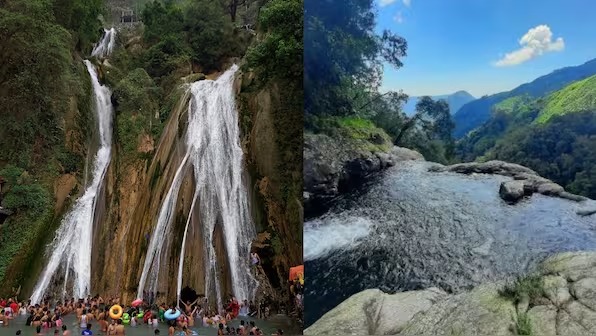
India's regional tourism boards are implementing new safety frameworks to manage growing visitor volumes at top natural infinity pools, including sites in Meghalaya, Goa, and Kerala. Formed by river erosion and tectonic movements, these remote rock basins offer alternative travel experiences while driving local eco-tourism economies.
NEW DELHI, India — India’s domestic adventure tourism sector is experiencing a significant shift as travelers increasingly seek out lesser-known geological formations over conventional luxury resorts. According to seasonal guidelines released by regional forest and tourism departments on Tuesday, June 2, 2026, the country's unique terrain contains multiple accessible natural infinity pools formed by centuries of river erosion and volcanic rock shifts. State tourism boards are actively formalizing trek routes and safety protocols to regulate visitor foot traffic at these locations while protecting fragile local ecosystems from environmental damage.
1. The Devil's Pool at Gaganachukki, Karnataka
Formed by the continuous flow of the Shivanasamudra falls along the Kaveri River basin, this natural pool offers a distinct edge that drops directly into a deep gorge below. Local administrative boards manage accessibility tightly, especially during the monsoon season when rising water levels pose significant risks.
The pool itself is carved out of ancient basalt rock formations. Travelers must register at the regional forest checkpost before attempting the descent. The destination has become a major focal point for weekend travelers from Bengaluru looking for unregulated aquatic landscapes within driving distance of the metro area.
2. Peek-a-Boo Pool in Canacona, Goa
While Goa is globally recognized for its commercial coastlines, its inland Western Ghats region houses the distinct Peek-a-Boo natural infinity pool. Hidden within the dense forests near Netravali Wildlife Sanctuary, this clear water formation is fed by an underground perennial stream that cascades over a smooth rock ledge, creating a visual horizon line against the forest canopy.
To manage the sudden surge in visitor traffic driven by social media geo-tags, the Goa Department of Tourism has instituted a daily entry limit. Visitors are required to hire licensed local community guides to access the trail, a policy designed to prevent plastic pollution and generate direct livelihood opportunities for indigenous village panels.
3. Bhimlat Waterfalls Pool, Rajasthan
Defying the common perception of Rajasthan as a purely arid desert landscape, the Bundi region features a historical geological formation known as the Bhimlat pool. Fed by seasonal monsoonal streams, this natural pool sits atop a 60-meter high cliff edge, providing a dramatic view over the surrounding plains.
| Destination Location | Access Difficulty Rating | Peak Operational Season |
| Gaganachukki (Karnataka) | Moderate Descent | October to January |
| Canacona (Goa) | Low-Impact Forest Trek | October to February |
| Bundi (Rajasthan) | Step-Based Access | July to September |
| Nongriat (Meghalaya) | High-Intensity Trek | Year-Round (Excluding Heavy Rain) |
| Munnar (Kerala) | Controlled Plantation Access | September to March |
According to state documentation, the pool's structural basin was formed by a minor tectonic shift centuries ago. The site serves as an essential alternative travel node for regional heritage tour operators looking to diversify their standard desert itineraries.
4. The Rainbow Falls Pool in Nongriat, Meghalaya
Situated deep within the East Khasi Hills district, the natural infinity pool located at the head of Rainbow Falls requires a challenging physical descent. Travelers must navigate over 3,000 stone steps down the mountain, past the region's famous living root bridges, to reach the deep turquoise basin.
The pool's water maintains a vivid blue color due to specific mineral sedimentations upstream. The local village council, known as the Dorbar Shnong, retains strict operational control over the site. They enforce absolute bans on chemical soaps, single-use plastics, and unguided swimming to protect the local community's primary source of drinking water.
5. Lockhart Gap Natural Pool in Munnar, Kerala
The high-altitude tea plantation belts of Munnar house several isolated rock-cut basins. The natural infinity pool at Lockhart Gap sits along a steep mountain ridge, providing travelers with a clear view of the Bison Valley hills stretching out below.
The water at Lockhart Gap remains exceptionally cold throughout the year, fed by high-altitude mountain springs. The destination is managed via co-operative agreements between private plantation estates and the Kerala Forest Department, ensuring that tourist vehicle emissions do not disturb nearby elephant migration corridors.
Official Sources Section
Trek regulations, regional safety guidelines, and environmental carrying capacity limits are drawn directly from active operational briefs published by the Goa Department of Tourism and regional forest management notifications under the Government of Karnataka. Additional geographic and safety tracking parameters are validated via the central database of the Ministry of Tourism.
Quote Section
"According to officials, the formalization of rural trek paths leading to these natural formations is necessary to prevent accidents during sudden flash floods. Organizers stated that ecological preservation remains the primary goal, and unmanaged commercial vending will remain strictly prohibited at these remote wilderness sites."
Regional eco-tourism coordinators discussing state-level management of natural water bodies.
Why It Matters
The structured development of natural adventure destinations carries practical economic implications for India's rural hinterlands. By redirecting tourist crowds away from overcrowded metropolitan hotspots and toward remote villages, local communities can secure reliable livelihoods through guiding services, home-stay setups, and traditional culinary hospitality. Furthermore, formalizing these routes enables state departments to monitor wilderness safety effectively, establishing emergency rescue points and preventing environmental degradation in sensitive ecosystems.
Key Facts at a Glance
Regulated Traffic: State tourism ministries have established strict daily entry limits for several natural infinity pools to prevent ecological strain.
Community-Led Models: Locations like Meghalaya’s Rainbow Falls rely entirely on local tribal councils to manage visitor safety and enforce environmental bans.
Geological Origins: These pools are natural formations shaped over centuries by volcanic activity, tectonic movements, and persistent river erosion.
Mandatory Guides: Certain routes, including the Netravali forest trail in Goa, now require certified local guides for all incoming travelers.
Seasonal Changes: Water flow and safety parameters change drastically with the seasons, making the winter months the ideal window for most locations.
FAQ Section
Are these natural infinity pools safe for non-swimmers to visit?
Most natural pools feature variable depths and rapid currents near the drop-off edges. Forest departments strongly advise non-swimmers to stay within designated shallow zones and wear life vests.
Do visitors need special permits to access these remote locations?
Yes, several pools are situated within protected reserve forests or tribal territories, requiring entry tickets or permits available at regional forest checkposts.
Which season is considered the best for visiting these natural pools?
The post-monsoon and winter months (October through February) generally offer the safest water currents and optimal clarity across most Indian states.
Source: Ministry of Tourism, Goa Department of Tourism,Government of Karnataka Forest Department.