Delhi Chief Minister Rekha Gupta has launched a dedicated digital portal under the new EV Policy 2026, enabling buyers to claim purchase subsidies within 30 days of vehicle registration. Supported by a Rs 7,000 crore outlay, the paperless system routes incentives via DBT within 60 days.
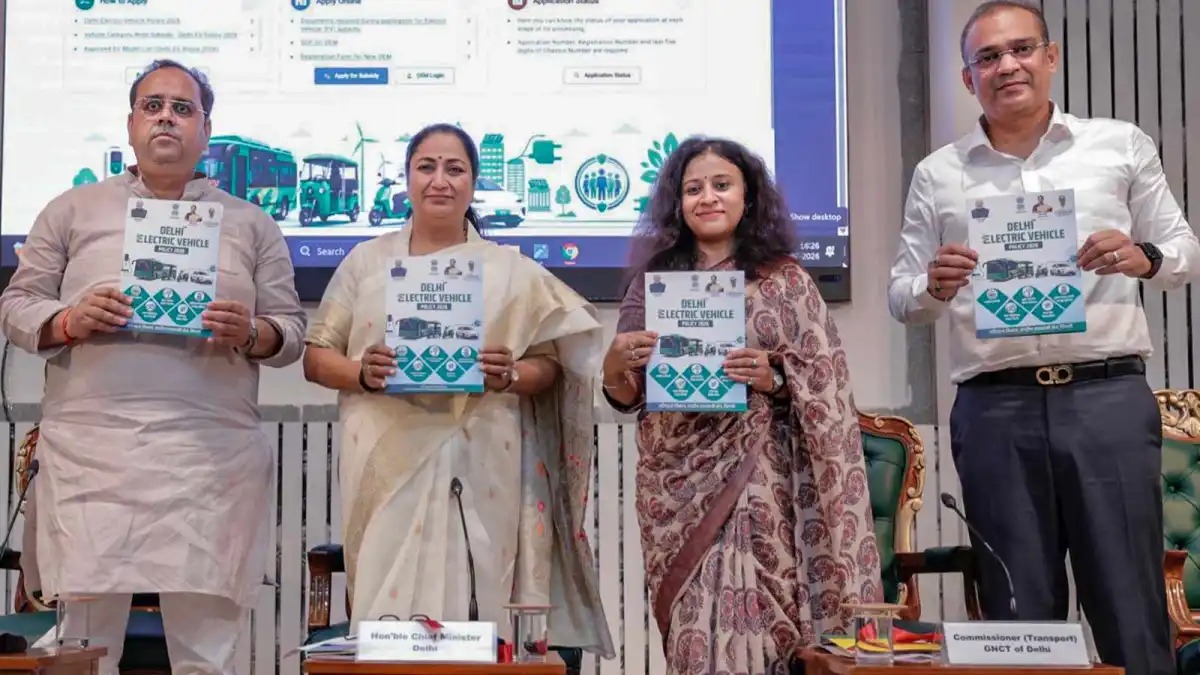
NEW DELHI — The Delhi Government has officially launched a paperless digital portal enabling buyers of electric vehicles (EVs) to directly apply for financial incentives within 30 days of purchasing a vehicle and obtaining its Registration Certificate (RC). Chief Minister Rekha Gupta unveiled the web portal alongside the official policy booklet for the Delhi Electric Vehicle Policy 2026 at the Delhi Secretariat on Friday, July 3, 2026. The new consumer-led infrastructure marks a significant operational shift from previous iterations by transferring the responsibility of application from auto dealerships directly to vehicle owners, seeking to streamline disbursals and systematically clear historic processing backlogs.
Direct Benefit Transfer Architecture and Processing Mandates
The technical architecture of the newly commissioned Delhi EV Subsidy Portal is designed to maximize transparency and lower administrative friction for urban transit buyers. Under the modern framework, verified incentives are disbursed directly into the beneficiaries' bank accounts through the central Direct Benefit Transfer (DBT) mechanism. The state has established a strict 60-day deadline for complete document verification and final financial clearance.
The entire platform is built as a paperless end-to-end portal. Applicants can safely log on from home, input mandatory identification credentials, and upload verified PDF copies of their primary documents. The system features real-time, multi-stage application tracking so that users can view their approval logs at each stage without visiting regional transport offices.
For personal vehicle owners, the verification portal requires:
Scanned copies of the newly generated vehicle Registration Certificate (RC).
Primary identity documentation, such as a Voter ID card.
Bank account documentation, including a scanned copy of a passbook or cancelled cheque.
Secure verification via a mobile One-Time Password (OTP) routed to the number linked directly with the vehicle's active RC registry.
Commercial buyers and institutions can similarly claim benefits by uploading corporate documentation including their GSTIN records, PAN details, and institutional bank details.
Incentive Slabs and Scrapping Support Systems Detailed
The newly notified EV Policy 2026, which remains actively in effect until March 31, 2030, sets up structural purchase brackets categorized by vehicle deployment. The Chief Minister announced that the state will invest upwards of Rs 7,000 crore over the next four years to successfully finance these green energy initiatives.
According to the official policy framework, the direct financial incentives are structured as follows:
Electric Two-Wheelers: Purchase incentives reaching up to Rs 30,000 per vehicle.
Electric Three-Wheelers: Purchase allocations capped up to Rs 50,000.
N-1 Category Electric Trucks: Specialized light commercial vehicles qualify for incentives up to Rs 1 lakh.
Additionally, the state has built in extra financial support for buyers who actively retire old, carbon-heavy internal combustion engine (ICE) vehicles. These scrapping benefits require the electronic upload of a formal Certificate of Deposit obtained from certified recycling locations. To further reduce acquisition friction, all eligible electric vehicles receive a lifetime 100 percent waiver from standard road tax and state registration fees. The complete tax exemption covers private electric cars priced up to Rs 30 lakh ex-showroom, even though private four-wheelers do not receive direct cash purchase incentives under this round.
Mandatory Electrification Timelines and Infrastructure Targets
To force long-term transition predictability across consumer and industrial logistics sectors, the policy introduces rigid, phased regulatory mandates for vehicle registration inside the National Capital Territory:
January 1, 2027: Moving forward from this date, only zero-emission electric L-5 auto-rickshaws and N-1 category commercial goods vehicles will be legally permitted for fresh registration inside Delhi.
April 1, 2028: Registration loops for new petrol and diesel-powered two-wheelers will be closed entirely.
Vehicles registered prior to these specific cutoff dates will continue to operate normally until their existing administrative validities expire. To support this rapid electrification curve, the government plans to install and scale a public charging grid comprising more than 32,000 public operational charging points across the city by 2030.
Official Sources Section
The administrative parameters, funding limits, and application procedures outlined in this report are sourced from formal policy manuals published by the Transport Department, Government of NCT of Delhi and official press notifications hosted on the Press Information Bureau (PIB) India database. Digital forms are managed securely via the Delhi EV Subsidy Portal.
Quote Section
The administration has heavily emphasized that modernizing public service portals is essential to prevent past operational backlogs from disrupting consumer trust.
According to official transcripts and statements issued by the Chief Minister's Office at the Secretariat:
"Eligible beneficiaries will be able to apply through the EV Subsidy Portal within 30 days of purchasing their vehicle and receiving the Registration Certificate (RC). The government aims to transfer the subsidy directly into beneficiaries' bank accounts through Direct Benefit Transfer (DBT) within 60 days. The portal has been designed to be simple, fast, transparent, and completely digital, enabling citizens to access all services from home."
Chief Minister Rekha Gupta further detailed the strategic logic of the multi-year outlay:
"The Delhi Electric Vehicle Policy 2026 is a visionary and transformative initiative aimed at promoting clean air, controlling pollution, strengthening energy security, and supporting a green economy. We are investing more than Rs 7,000 crore over the next four years to build a supportive ecosystem for electric mobility."
Why It Matters
The rollout of the e-governance portal has profound practical implications for auto buyers, fleet operators, and environmental management bodies. By moving to a completely digital consumer application system with strict processing timers, the state reduces reliance on third-party auto dealerships, completely eliminates delayed cash disbursements, and builds market confidence. Establishing firm, multi-year electrification timelines provides strong operational predictability for automobile manufacturers and charging grid investors, securing Delhi's spot as a major market for green transit infrastructure.
Key Facts at a Glance
Application Timeline: EV owners must apply for subsidies online within 30 days of receiving their Registration Certificate.
Disbursal Speed: Approved incentives will be directly credited to bank accounts via DBT within a maximum of 60 days.
Financial Scale: The Delhi Government plans a Rs 7,000 crore outlay over the next four years to fund the green transit transition.
Incentive Caps: Avail up to Rs 30,000 for e-two-wheelers, Rs 50,000 for e-three-wheelers, and Rs 1 lakh for e-trucks.
Tax Exemptions: Lifetime 100 percent exemptions from road tax and registration fees apply to all eligible EVs, including cars up to Rs 30 lakh ex-showroom.
FAQ Section
Q: Where can citizens submit their EV subsidy applications?
A: All incentive claims must be electronically processed and filed by the owner directly on the official portal at evsubsidy.delhi.gov.in.
Q: What is the primary operational change from the previous EV policy?
A: Under the updated policy, buyers must apply for the subsidies themselves via the online portal, whereas the older system relied on automobile dealers to process claims at the point of purchase.
Q: Are private electric cars eligible for direct cash purchase incentives?
A: No. Private electric cars do not receive cash purchase incentives under the 2026 policy, but they do qualify for a full, lifetime waiver on road tax and registration fees if their ex-showroom price is under Rs 30 lakh.
Source: Official platform circulars, tech manuals, and policy texts published by the Transport Department of Delhi, press portfolios from the Ministry of Road Transport and Highways, and launch updates distributed by the Press Information Bureau (PIB) India.