




Loading market data...
ADVERTISEMENT

Latest Top News
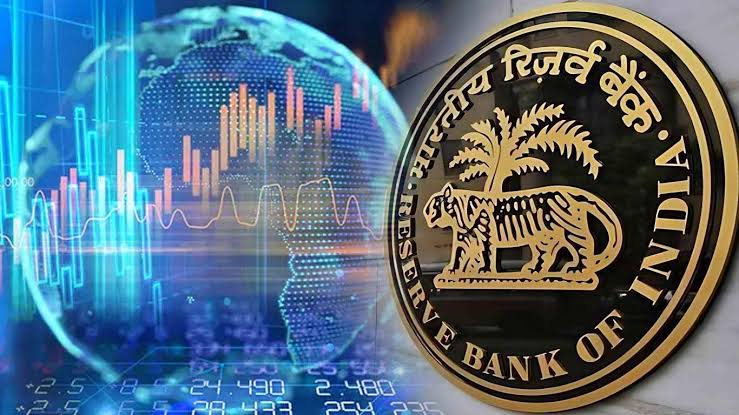
Evolving Geopolitical Tensions Prompt RBI's Heightened Vigilance on Economy
The Reserve Bank of India (RBI) has urged close monitoring of the rapidly evolving geopolitical situation, particularly in West Asia, due to its potential to disrupt oil prices, currency stability, and inflation in India. This comes ahead of the April Monetary Policy Committee (MPC) meeting, as global risks intensify.
Stay Ahead – Explore Now! India Deepens Spacetech-Defence Ties to Reshape Orbital Security
ADVERTISEMENT

Latest Updates

Haryana Urges Private Sector to Adopt Work-From-Ho...
16 Jun 2026, 11:37 AM
UPSC Declares Civil Services Prelims 2026 Results
16 Jun 2026, 11:30 AM
Highway Infrastructure Limited Contract Terminated...
16 Jun 2026, 11:27 AM
Neeraj Chopra to Make Competitive Return at Doha D...
16 Jun 2026, 11:07 AM
Marine Electricals Bags Contracts Totaling ₹763.8...
16 Jun 2026, 11:04 AMADVERTISEMENT

Top Stories
Haryana Urges Private Sector to Adopt Work-From-Ho...
16 Jun 2026, 11:37 AM
UPSC Declares Civil Services Prelims 2026 Results
16 Jun 2026, 11:30 AM
Highway Infrastructure Limited Contract Terminated...
16 Jun 2026, 11:27 AM