IFA rejected formal protests from Iran and Egypt, permitting fans to display rainbow flags during their World Cup match in Seattle. While both nations argued the symbols violated their cultural and religious laws, FIFA ruled the flags are protected human rights expressions under its official 2026 Stadium Code of Conduct.
FIFA Permits Rainbow Flags at Seattle World Cup Match Spurring Iran and Egypt Dispute
The global football governing body rejects federation complaints over LGBTQ+ symbols at the Group G fixture, citing its human rights code of conduct.
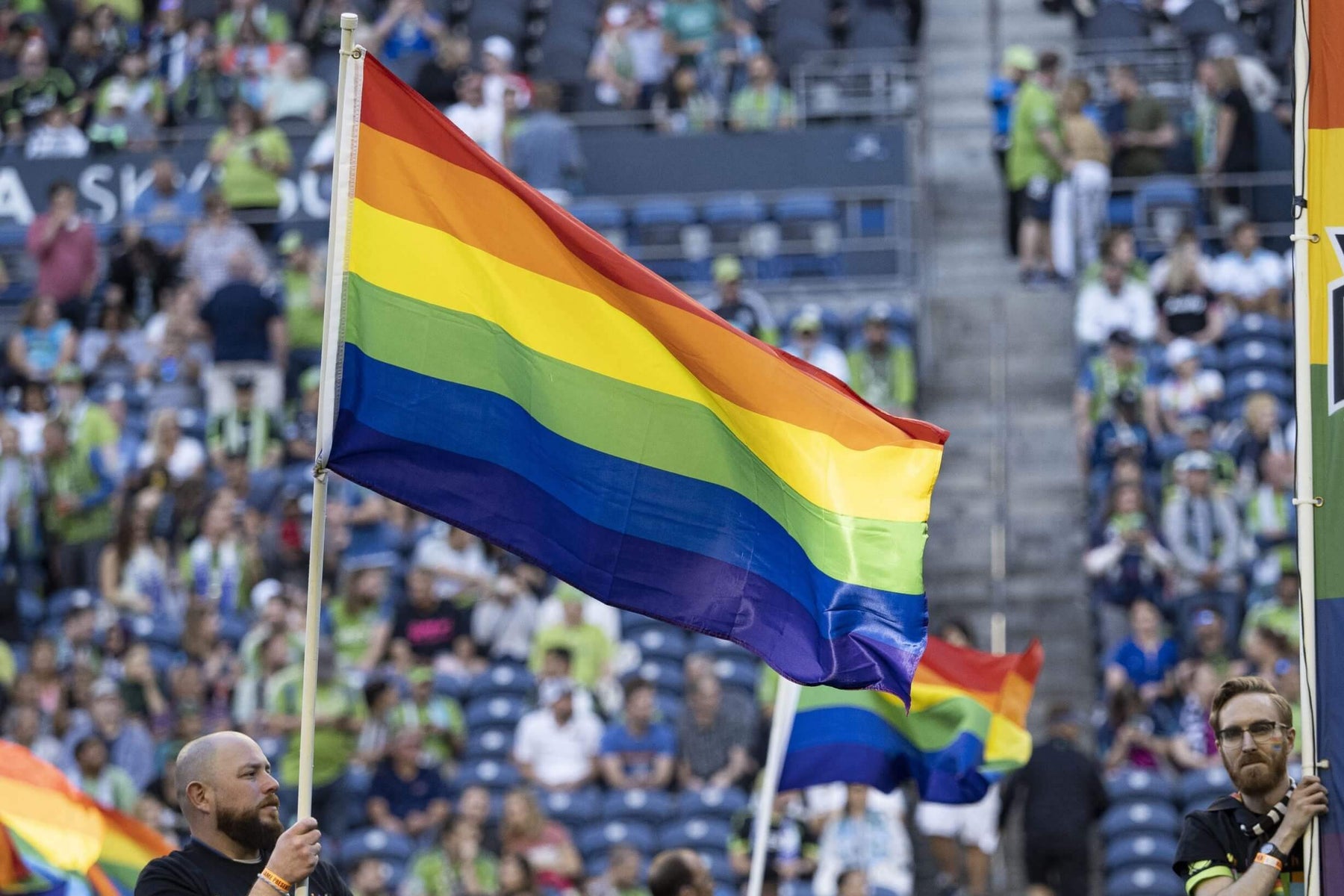
SEATTLE — A diplomatic and cultural standoff has intensified at the FIFA World Cup 2026 after the international football governing body, FIFA, officially rejected formal complaints from Iran and Egypt regarding the presence of LGBTQ+ symbols at their group-stage match. The high-stakes Group G fixture, held at Seattle Stadium, directly coincided with the host city's annual Pride weekend. While local organizers prominently branded the atmosphere surrounding the game as a celebration of inclusivity, the football federations of both Muslim-majority nations fiercely contested the promotion of LGBTQ+ iconography, setting off a complex legal and regulatory dispute inside the stadium gates.
The Origin of the Seattle Pride Match Controversy
The intersection of international sport and social politics intensified following the final tournament draw in December 2025. Local planners designated the June 2026 Seattle fixture to highlight the city's 50-year history of LGBTQ+ advocacy. However, the random tournament draw placed Egypt and Iran—two sovereign nations that maintain strict criminal penalties and public morality laws against sexual minorities—in the exact slot designated for the local festivities.
Both the Egyptian Football Association and the Football Federation Islamic Republic of Iran quickly lodged formal protests with FIFA. The nations argued that the promotion of LGBTQ+ symbols directly contradicts their state laws, cultural traditions, and religious values, demanding that all associated stadium displays be prohibited.
FIFA Directives Define Rainbow Flags as Human Rights Symbols
Despite rigorous pushback from Cairo and Tehran, FIFA released an official regulatory statement confirming that spectators would retain the right to display rainbow flags inside the venue. The governing body ruled that the flags are classified as general expressions of human rights rather than prohibited political messaging.
Understanding the Stadium Code of Conduct
Under the official FIFA World Cup 2026 Stadium Code of Conduct, general human rights symbols are explicitly permitted. FIFA noted that while players and team staff face absolute prohibitions against displaying personal, religious, or political messages on their uniforms, fans in the stands operate under separate spectator guidelines.
The Distinction Between FIFA and Local Organizers
In an effort to manage the geopolitical fallout, FIFA President Gianni Infantino sought to distance the global organization from the specific marketing of the game. The administration clarified that the "Pride Match" designation emanated strictly from Seattle’s local host committee, not from FIFA headquarters.
Operational and Tactical Focus Shift to the Pitch
As the bureaucratic debate escalated off the field, team managers and players from both squads faced heavy media scrutiny during mandatory pre-match press conferences in Washington state. Both coaching staffs systematically deflected socio-political inquiries, choosing to emphasize tactical objectives within a highly competitive Group G table.
At the time of the match, Egypt led the group standings with four points from two games, while Iran sat closely behind in second place with two points, making the athletic outcome critical for knockout-stage qualification.
Official Sources Section
The institutional policies, regulatory statements, and sports data featured in this journalistic report are compiled directly from public releases and official briefings provided by the following international organizations:
The Federation Internationale de Football Association (FIFA) via official tournament media advisories.
The Seattle World Cup Host Committee operational briefs.
The Football Federation Islamic Republic of Iran (FFIRI) and the Egyptian Football Association (EFA) press statements.
Quote Section
"The FIFA World Cup 2026 is an inclusive event that welcomes people from all backgrounds," FIFA stated in an official press release. "General statements of human rights, including rainbow flags and other flags representing sexual orientation and gender identity, are permitted under the FIFA World Cup 2026 Stadium Code of Conduct and may be displayed inside stadiums provided they are used in a manner consistent with the code."
Contrasting this stance, a spokesperson for the Iranian football federation told media outlets: "Our position is that no ceremonies or promotional activities associated with this movement should be present inside the stadium or as part of the match environment. This position has been communicated to FIFA through the appropriate channels."
Why It Matters
The regulatory precedent established in Seattle carries long-term practical implications for international sports governance, corporate sponsorships, and fan safety. By legally categorizing the rainbow flag as a protected human rights symbol rather than a restricted political statement, FIFA establishes a firm operational standard for future international tournaments hosted in culturally diverse regions. For global corporate sponsors and international travelers, the decision reinforces the enforcement of Western civil liberties within stadium boundaries, even when competing nations maintain opposing domestic legal frameworks.
Key Facts at a Glance
The Regulatory Ruling: FIFA officially permitted fans to display rainbow flags inside Seattle Stadium, categorizing them as human rights symbols.
The Joint Protest: Both Iran and Egypt filed formal complaints to suppress LGBTQ+ promotional activities, citing domestic laws and religious values.
Local vs. Global Branding: FIFA President Gianni Infantino clarified that the "Pride Match" branding was entirely an initiative of the local Seattle committee, not an official FIFA designation.
The Precedent Contrast: While rainbow flags were permitted under human rights exceptions, FIFA strictly maintained its ban on historical political items, such as Iran's pre-revolutionary Lion and Sun flag.
Frequently Asked Questions
Q: Why was this specific World Cup match designated as a Pride Match? A: The Seattle local organizing committee designated the weekend fixture to honor the city’s 50-year history of Pride celebrations. The pairing of Egypt and Iran was an accidental byproduct of FIFA's randomized tournament draw.
Q: Are players allowed to wear rainbow or "OneLove" armbands during the matches? A: No. Under FIFA’s strict uniform regulations, players and team officials are banned from wearing any unapproved religious, political, or personal items on the pitch, a rule that previously led to yellow card warnings.
Q: How does FIFA differentiate between a political symbol and a human rights symbol? A: Under the 2026 Stadium Code of Conduct, items representing sexual orientation and gender identity are legally classified by FIFA as general expressions of universal human rights, exempting them from bans placed on purely nationalistic or political emblems.
Sources