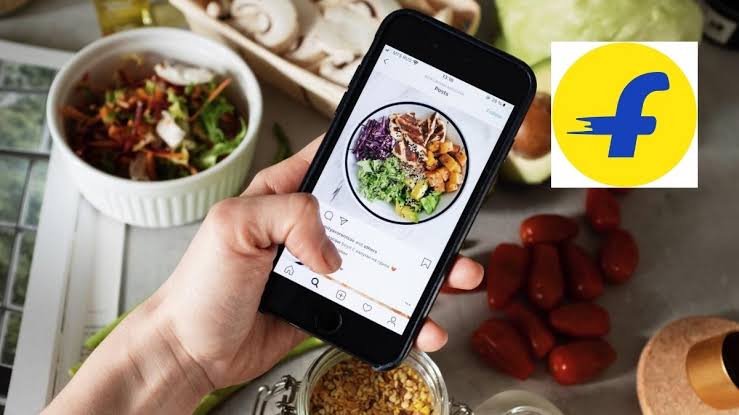
Flipkart is rolling out an online food delivery service named "Eat In" in Bengaluru, starting with an internal pilot before opening to consumers. The move challenges Zomato and Swiggy's dominance, linking restaurant delivery with Flipkart’s quick-commerce network and ONDC architecture before future planned rollouts in Mumbai and Delhi-NCR.
BENGALURU, India — Flipkart Internet Private Limited is preparing to roll out a dedicated food-delivery service named "Eat In" in Bengaluru, initiating an internal pilot before opening the offering to retail consumers later this month. The move marks the Walmart-owned e-commerce company’s direct foray into India’s $9 billion online restaurant delivery sector, which is currently dominated by incumbent platforms Zomato and Swiggy. By launching Eat In, Flipkart aims to integrate food orders alongside its quick-commerce grocery vertical, creating a high-frequency consumer ecosystem to drive daily active engagement and transactional volumes across its platform.
Pilot Architecture and the 'Eat In' Ecosystem
The Bengaluru rollout follows internal employee testing aimed at refining kitchen order tracking, delivery-partner dispatching, and routing algorithms. Flipkart recently deployed its official delivery partner software, titled the "Eat In Delivery app," on digital app marketplaces, offering onboarding for two-wheeler gig riders with insurance covers of up to ₹15 lakh and transparent weekly payouts.
The service is linked operationally with "Eat-In by Minutes," drawing synergy from Flipkart Minutes, the company’s ultra-fast dark-store grocery and essentials fulfillment network launched in major metro clusters. While the pilot operates initially inside Bengaluru, people familiar with the deployment indicated that Flipkart is evaluating a dual distribution approach: integrating the food vertical within the primary Flipkart shopping application while developing a standalone app for frequent diners.
Furthermore, the company is preparing to integrate the offering through the government-backed Open Network for Digital Commerce (ONDC), expanding restaurant catalog reach without relying solely on proprietary merchant lock-ins. Following stabilization in Bengaluru, the delivery footprint is slated to expand to Mumbai and the Delhi-National Capital Region (NCR).
Challenging the Established Indian Food Delivery Duopoly
The entry of Flipkart introduces substantial competitive tension into an Indian online restaurant delivery market that has functioned essentially as a two-player market. Together, Eternal-owned Zomato and publicly traded Swiggy control more than 90% of order volumes across India’s Tier-1 and Tier-2 urban hubs.
The sector has seen alternative models emerge, including zero-commission ride-hailing services like Rapido entering logistics, alongside merchant-led direct-ordering channels over ONDC. However, Flipkart’s entry brings the financial backing of Walmart and an established digital base of hundreds of millions of registered online shoppers.
Industry analysts note that high customer acquisition costs have historically posed barriers to third-party entrants, as demonstrated when Amazon India scaled back its Amazon Food pilot in late 2022. Flipkart seeks to counter these acquisition costs by cross-leveraging users who already utilize its payments, festive retail sales, and quick-commerce groceries.
Implications for Restaurants, Riders, and Consumers
The expansion into food delivery carries multi-sided implications for urban market participants:
Restaurant Merchants: Standalone restaurants and regional food-and-beverage chains gain alternative platform visibility and leverage against take-rate commissions, which typically average 18% to 25% on legacy platforms.
Delivery Workforce: Gig-economy riders gain access to expanded delivery slots across lunch, tea-time, and dinner hours, alongside weekly payouts and commercial insurance covers.
Urban Consumers: Diners in Bengaluru can anticipate promotional launch discounts, competitive platform delivery fees, and integrated loyalty rewards tied to Flipkart SuperCoins.
Institutional Investors: Equity analysts tracking food delivery metrics will monitor take-rates and order discounting to evaluate whether Flipkart's entrance triggers margin compression across listed rivals.
Official Sources
Information, logistics data, and platform disclosures cited in this report were verified through:
Quote Section
"The service is being piloted internally as Flipkart works on the operational parameters, delivery routing, and restaurant partner integrations before rolling out to consumers across Bengaluru later this month."
— According to officials familiar with the project during briefings on the company's hyperlocal logistics expansion.
Why It Matters
India's hyper-competitive on-demand ecosystem is shifting toward "everything apps," where quick grocery delivery, retail shopping, and restaurant meals coexist within unified platforms. Flipkart's launch of Eat In tests whether a retail e-commerce leader can successfully build the complex, sub-30-minute temperature-sensitive logistics required for hot food delivery, potentially redrawing market-share boundaries in urban consumer tech.
Key Facts at a Glance
New Initiative: Flipkart is launching a food-delivery vertical titled "Eat In".
Launch City: Piloting internally in Bengaluru ahead of a broader public launch, with Mumbai and Delhi-NCR planned next.
Fleet Management: Rider onboarding has commenced through the Eat In Delivery app, offering up to ₹15 lakh insurance cover and weekly payouts.
Network Integration: Designed to interface with the ONDC open protocol and link to the Flipkart Minutes quick-commerce infrastructure.
Frequently Asked Questions
What is Flipkart Eat In?
Eat In is Flipkart's new online food delivery vertical designed to let consumers order meals directly from restaurants via mobile devices.
Where is Flipkart piloting Eat In?
The service is currently being piloted in Bengaluru, Karnataka, with expansion planned for Mumbai and Delhi-NCR.
Will Eat In be available on a separate app or inside Flipkart?
Flipkart is testing both models, exploring integration within the main shopping app and launching through dedicated standalone applications and the ONDC network.
Who are the main competitors to Flipkart's Eat In?
Eat In competes directly against established food delivery leaders Zomato and Swiggy, as well as emerging discount channels like Rapido.
Source: Official platform app disclosures via Flipkart Internet Private Limited, digital protocol updates from the Open Network for Digital Commerce (ONDC), statutory disclosures from the Ministry of Consumer Affairs, and corporate governance filings submitted by Walmart Inc. to the U.S. Securities and Exchange Commission (SEC).