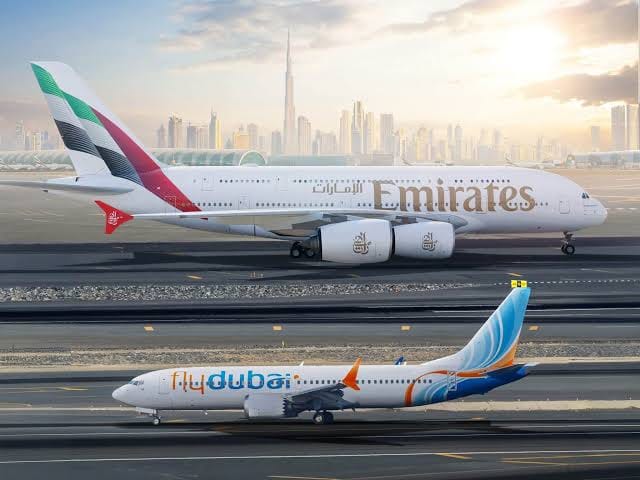
UAE residents returning from summer vacations are adjusting departure dates and routing through secondary regional airports to avoid severe late-August flight fare spikes. Ahead of the school reopening, shifting travel itineraries by several days or landing in Sharjah or Abu Dhabi offers significant cost savings for families.
DUBAI — United Arab Emirates residents returning from summer holidays are actively modifying travel itineraries and routing flights through secondary regional airports to avoid sharp ticket price increases in late August. Travel agencies across Dubai, Abu Dhabi, and Sharjah report a pronounced surge in flexible rebookings as families attempt to manage return costs prior to the reopening of UAE schools for the 2026–2027 academic year. With inbound flight capacity facing heavy demand across major corridors—including India, Pakistan, Egypt, the United Kingdom, and the Philippines—direct economy class airfares to major UAE hubs have escalated significantly for the peak August 20–31 travel window.
The travel adjustments reflect heightened consumer price sensitivity amid peak seasonal demand. By shifting return dates by three to four days or utilizing alternative arrival hubs like Zayed International Airport in Abu Dhabi, Sharjah International Airport, or Ras Al Khaimah International Airport, returning families are securing substantial cost savings on inbound flights.
Flight Price Surges Drive Travel Strategy Adjustments
Demand for inbound flights to the UAE traditionally reaches its highest point during the final two weeks of August as residents conclude summer vacations ahead of the school term. Industry tracking data from regional travel management platforms indicates that non-stop economy class fares on popular routes have increased by 40% to 70% compared to off-peak mid-August averages.
To counter high non-stop fares, travel consultants report that residents are adopting several distinct booking strategies:
Shifting Travel Dates: Rebooking return journeys to depart between August 15 and August 18, or delaying return flights until the first days of September, yields fare reductions of up to 35% on select routes.
Alternative Airport Routing: Travelers destined for Dubai are increasingly choosing flights landing at Sharjah International Airport or Ras Al Khaimah International Airport, where regional carriers offer more competitive pricing.
Selecting Connecting Itineraries: Opting for single-stop connecting flights via regional hubs in the GCC or South Asia rather than direct point-to-point routes provides additional savings for larger families traveling together.
Major Gulf carriers, including Emirates and Flydubai, have maintained flexible booking policies and fare options to accommodate passenger schedule adjustments during peak travel seasons.
Impact on Airlines, Aviation Infrastructure, and School Reopenings
The concentration of inbound traffic places significant demand on immigration, baggage handling, and ground transport infrastructure across UAE airports. Airport authorities in Dubai and Abu Dhabi have issued advisories recommending that arriving passengers utilize digital passport control gates and pre-arranged transit options to streamline airport exit procedures during peak arrival hours.
The seasonal traffic surge also directly affects the aviation sector:
Airline Yield Optimization: Carriers are operating at near-maximum load factors on inbound sectors, while outbound flights from the UAE experience seasonally lower occupancy.
Travel Agency Operations: UAE-based travel management companies report a higher volume of last-minute itinerary modifications, with customers leveraging flexible fare conditions to lock in lower rates.
School Readiness: Educational institutions across the Emirates are preparing for full student attendance, encouraging families to complete return travel well ahead of the first day of classes to allow time for routine settling and medical requirements.
Official Sources Section
Official announcements and travel updates regarding late August travel trends have been detailed through aviation and travel trade channels:
According to formal travel advisories and operational updates from
Emirates Airline, passengers are encouraged to utilize online booking management tools to check flexible fare rules and date change options.
Guidelines issued by the
Dubai Airports Authorityemphasize utilizing smart gates and advance scheduling during the peak late-August inbound travel period.
Industry updates monitored by the
General Civil Aviation Authority (GCAA)highlight ongoing coordination across UAE airports to manage seasonal traffic surges effectively.
Quote Section
"According to travel trade representatives and flight booking platforms, UAE residents are actively modifying return dates by several days or selecting alternative arrival airports to mitigate peak late-August airfares ahead of the school term reopening."
Why It Matters
The shift in travel behavior carries practical implications for consumers, airlines, and aviation services across the region:
For UAE Residents & Families: Proactive planning, airport switching, and shifting departure dates by even 48 to 72 hours offer measurable financial relief for large households returning from summer holidays.
For Airlines & Travel Agencies: Flexible ticket structures and transparent fare rules help maintain high passenger volume while giving travelers viable choices during demand spikes.
For Airport Authorities: Distributing inbound traffic across multiple regional gateways—such as Sharjah, Abu Dhabi, and Ras Al Khaimah—helps alleviate congestion at primary international hubs.
Key Facts at a Glance
Travel Trend: UAE residents change dates, airports to save on late August flights ahead of the upcoming school year.
Peak Period: Inbound flight demand peaks between August 20 and August 31 across major origin routes.
Savings Strategies: Shifting travel dates by 3–5 days, choosing connecting flights, and landing at alternative airports (Sharjah, Ras Al Khaimah, Abu Dhabi) provide savings up to 35%.
Primary Corridors: Fares are highest on routes originating from India, Pakistan, the Philippines, Egypt, and the UK.
Frequently Asked Questions
Why are inbound flight prices to the UAE so high in late August?
Prices surge due to concentrated travel demand as tens of thousands of UAE residents and families return simultaneously from summer vacations before schools reopen.
How much can travelers save by changing return dates or airports?
Travel consultants report that shifting return dates by 3 to 5 days or selecting secondary arrival airports in the UAE can reduce ticket costs by 20% to 35% depending on the origin route.
Which UAE airports offer alternative options for returning residents?
Besides Dubai International Airport (DXB), residents frequently utilize Zayed International Airport (AUH) in Abu Dhabi, Sharjah International Airport (SHJ), and Ras Al Khaimah International Airport (RKT) to find lower fares.
Can residents change flight dates without paying heavy penalties?
Many major airlines operating in the region offer flexible fare categories or promotional rebooking policies that allow date modifications, though passengers may still need to pay any applicable fare difference.
Source: Official updates and travel advisories issued by Emirates Airline, the Dubai Airports Authority, and the General Civil Aviation Authority (GCAA).