Key Highlights
Artificial intelligence (AI) tools and no-code/low-code platforms are transforming app development, empowering non-technical founders to turn ideas into production-ready apps rapidly without traditional coding skills
AI-driven coding assistants, automa...
Key Highlights
Artificial intelligence (AI) tools and no-code/low-code platforms are transforming app development, empowering non-technical founders to turn ideas into production-ready apps rapidly without traditional coding skills
AI-driven coding assistants, automated workflow builders, and user interface generators enable solo entrepreneurs to handle design, logic, testing, and deployment independently or with minimal help
Platforms such as Bubble, Replit, Glide, FlutterFlow, and newer AI app builders integrate natural language processing and AI automation to reduce development time from months to days or weeks
This democratization of app creation supports the rise of solo and non-technical founders launching viable startups, enhancing innovation diversity and reducing capital barriers
The convergence of AI support and visual development tools provides key advantages: faster prototyping, efficient iteration, and cost-effective scaling for early-stage ventures
Training and curated toolkits assist non-technical users in ideation, product specification, and even market validation, enabling a seamless path from concept to launch
Revolutionizing App Development for Everyone
The AI-powered revolution in app creation means founders no longer need to rely heavily on software engineers or lengthy development cycles. Today’s AI tools embed intelligence at every stage:
AI coding assistants like GitHub Copilot and Tabnine help generate, debug, and optimize code snippets based on natural language prompts or partial code, vastly reducing the coding knowledge required
Visual no-code builders such as Bubble and Glide provide drag-and-drop interfaces for app design and integration with data sources like spreadsheets or databases, while AI features assist with layout suggestions and logic creation
AI agents and workflow platforms (e.g., Aider, Replit Ghostwriter) automate backend processes, API management, and deployment, enabling a near-end-to-end app building experience without writing traditional code
Specialized AI app builders like Bolt.new or Lovable.dev leverage generative AI to create entire app skeletons from simple descriptions, speeding up MVP (Minimum Viable Product) launch dramatically
Breaking Down Barriers for Non-Technical Entrepreneurs
Non-technical founders benefit from AI tools in multiple transformational ways:
Idea-to-Concept Translation: AI tools help founders articulate vague ideas into clear product concepts, user flows, and feature lists by asking clarifying questions and generating specs automatically
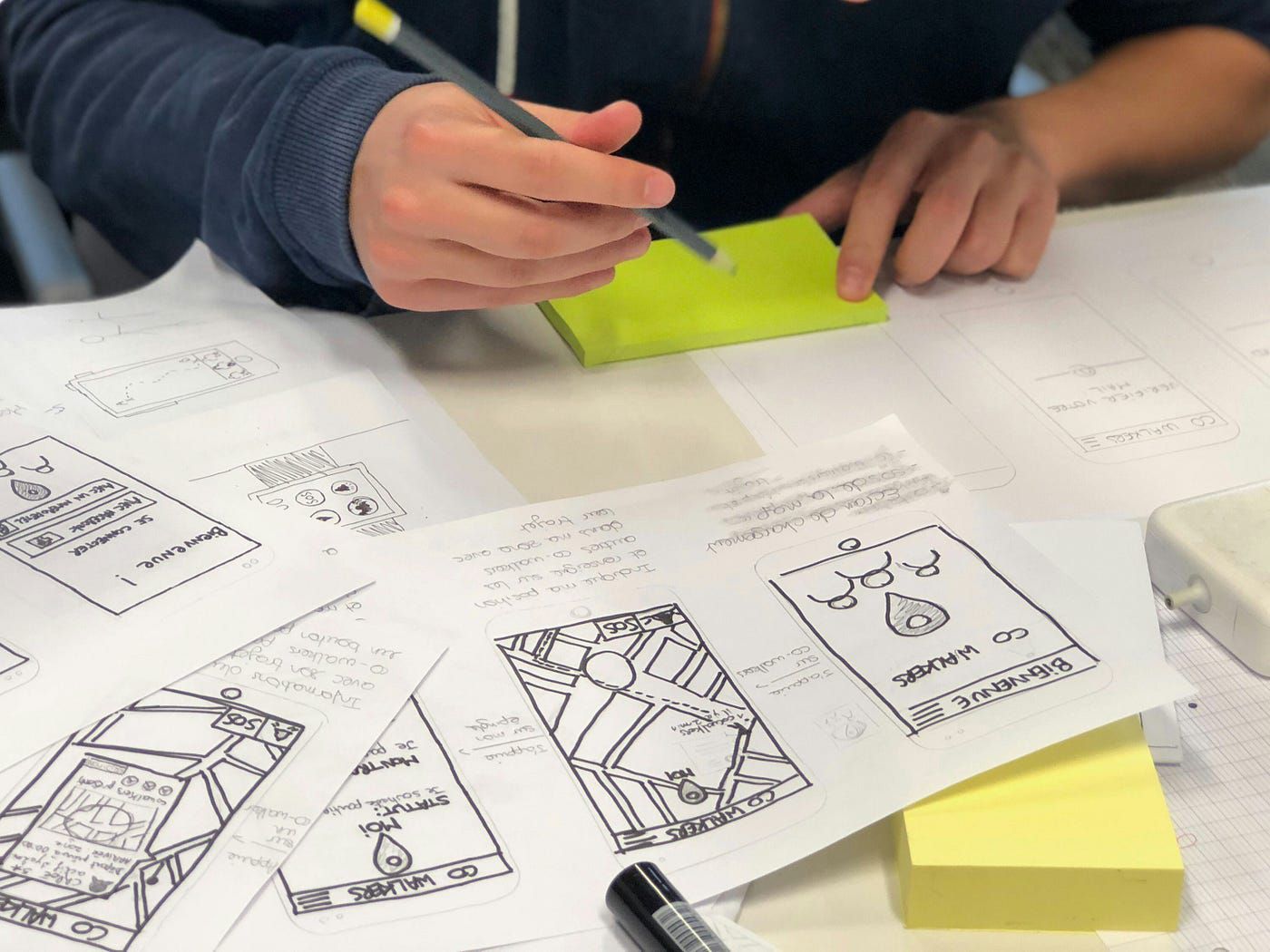
Prototype and MVP Creation: With AI-powered UI builders, founders can create interactive prototypes and initial app versions with minimal learning curves, allowing quick validation of market demand
Iterative Development: AI-generated suggestions speed up feature adjustments and bug fixes, enabling rapid iteration cycles with low cost and complexity
Automation of Repetitive Tasks: Routine coding, testing scripts, and documentation are often generated or auto-completed, freeing founders to focus on strategy and customer engagement
Accessibility and Cost-Effectiveness: These platforms lower capital requirements and reduce dependence on hiring dedicated technical teams in early stages
Key AI Tools Empowering Non-Technical Founders in 2025
Bubble: A popular no-code visual builder with AI-driven workflow creation, enabling complex web apps with integrated AI models like GPT-4
Glide: Turns spreadsheets into powerful mobile and web apps augmented by AI-assisted layout and form mapping features
Replit: Offers AI coding assistants including Ghostwriter to help even beginners write backend logic and full app deployments
FlutterFlow: Visual app builder with AI prompts generating Flutter code, perfect for founders looking to launch scalable Android and iOS apps
Bolt.new and Lovable.dev: Instant app builders that generate complete apps from plain language descriptions, enabling rapid MVPs
GitHub Copilot, Tabnine: AI code autocompletion tools that assist with coding tasks for users with some technical familiarity
The Emerging Trend: Solo AI-Powered Founders
Recent reports and real-world examples illustrate that AI tools are enabling "one-person billion-dollar companies" and solo AI startup developers to deliver scalable products with minimal resources. Entrepreneurs find that combining AI capabilities with freelancers or small teams creates a flexible, low-risk innovation model.
Practical Steps for Non-Technical Founders
Leverage AI platforms to translate ideas into structured product plans before beginning development
Use no-code or AI-augmented builders for rapid prototyping and early customer feedback
Invest in learning basic digital literacy and tool workflows to maximize AI effectiveness
Explore curated training and communities focused on AI-driven entrepreneurship to navigate challenges
Consider integrating AI-based testing and analytics to continuously improve your app post-launch
Conclusion
AI in 2025 is revolutionizing how apps are built, removing the traditional gatekeeping of technical skills and unlocking entrepreneurial potential globally. For non-technical founders, this means unprecedented access to tools that translate ideas into real, market-ready applications swiftly and cost-effectively. As AI continues evolving, the barrier between concept and creation narrows, democratizing innovation and fostering a new generation of diverse startup leaders.
Sources: Nucamp, Lowcode.agency, LinkedIn