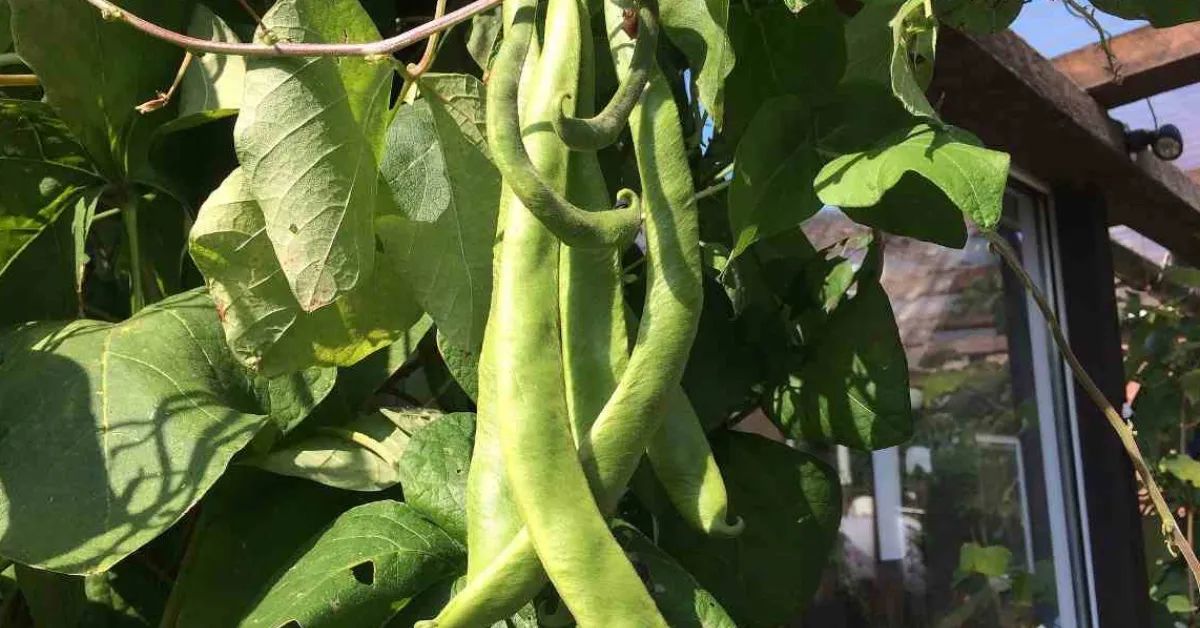
Fed up with low-quality market vegetables, Vadodara gardener Vijay Sharma successfully cultivated over 150 plant varieties at home. Starting with resilient cluster beans, his organic, self-sustaining model demonstrates that urban dwellers can achieve food security, promote biodiversity, and maintain nutritional integrity through dedicated balcony and terrace gardening practices.
VADODARA — Driven by concerns over the safety and quality of commercial produce, Vadodara-based gardener Vijay Sharma has successfully turned his home into an urban agricultural hub. By shifting his focus to cultivating cluster beans and a vast array of other crops, he has created a self-sustaining balcony and terrace garden that now boasts over 150 unique plant varieties.
The initiative began as a personal response to the lack of trust in conventional vegetable supply chains. After years of purchasing produce that Sharma felt lacked nutritional integrity, the gardener decided to utilize his residential space to cultivate his own food supply. What started as an experiment with hardy cluster beans—commonly known as guar—has blossomed into a full-scale home gardening project that serves as a practical model for sustainable urban living.
Cultivating Biodiversity in Limited Spaces
The garden demonstrates that high-yield agriculture is entirely possible within a domestic footprint. By utilizing vertical farming techniques, systematic composting, and organic pest management, Sharma has successfully maintained a range of exotic greens, seasonal fruits, and rare heirloom varieties often unavailable in traditional markets. The garden functions as a miniature ecosystem, where soil health is prioritized through natural organic inputs, eliminating the need for synthetic chemicals.
"The goal was never commercial profit, but rather to ensure that the produce arriving on my dining table was clean, nutrient-dense, and ethically grown," Sharma noted. His success with cluster beans—a plant prized for its resilience and low water requirement—served as the vital foundation for expanding his collection. His current garden includes everything from common kitchen staples to complex cultivars, proving that urban residents can significantly supplement their food needs through dedicated home-based efforts.
Urban Gardening as a Sustainable Model
Sharma’s project serves as a concrete blueprint for city dwellers interested in reducing their environmental footprint. Agriculture experts following urban farming trends indicate that such initiatives address two critical concerns: food security and the reduction of carbon emissions associated with long-distance food transport. By growing 150 varieties, Sharma not only secures his own supply but also preserves biodiversity by maintaining rare seeds that are otherwise being lost to mass-market monoculture.
His techniques emphasize resourcefulness, including the use of recycled containers and home-made organic fertilizers. This approach lowers the barrier for entry for other city residents, showing that sophisticated home gardening does not require expensive equipment or vast land holdings.
Why It Matters
For citizens, this urban agricultural project underscores the viability of home-based food production. As urban populations continue to grow, the ability to produce one's own vegetables acts as a hedge against market volatility and potential contamination in mass-produced food. Furthermore, it demonstrates that even small urban properties can contribute to environmental health through the promotion of biodiversity and natural soil restoration.
Key Facts at a Glance
Total Varieties: Over 150 unique types of vegetables, herbs, and fruits.
Primary Crop: Cluster beans (guar) serve as the resilient backbone of the urban farming model.
Sustainability Method: 100% organic, utilizing home-made compost and natural pest control.
Impact: Promotes biodiversity, seed preservation, and self-reliance in urban food production.
FAQ
What motivated Vijay Sharma to start home farming?
A loss of confidence in the quality, safety, and nutritional value of vegetables sold in commercial markets.
Can this gardening model be replicated in an apartment?
Yes, the project highlights that vertical gardening and container farming techniques make it feasible to grow a vast number of varieties in limited residential spaces like balconies.
Why choose cluster beans as the starting crop?
Cluster beans are highly resilient, require minimal water, and provide consistent yields, making them an ideal, low-maintenance entry point for beginners in urban farming.
Source: The Better India, Horticultural Society of India, Department of Agriculture and Farmers Welfare