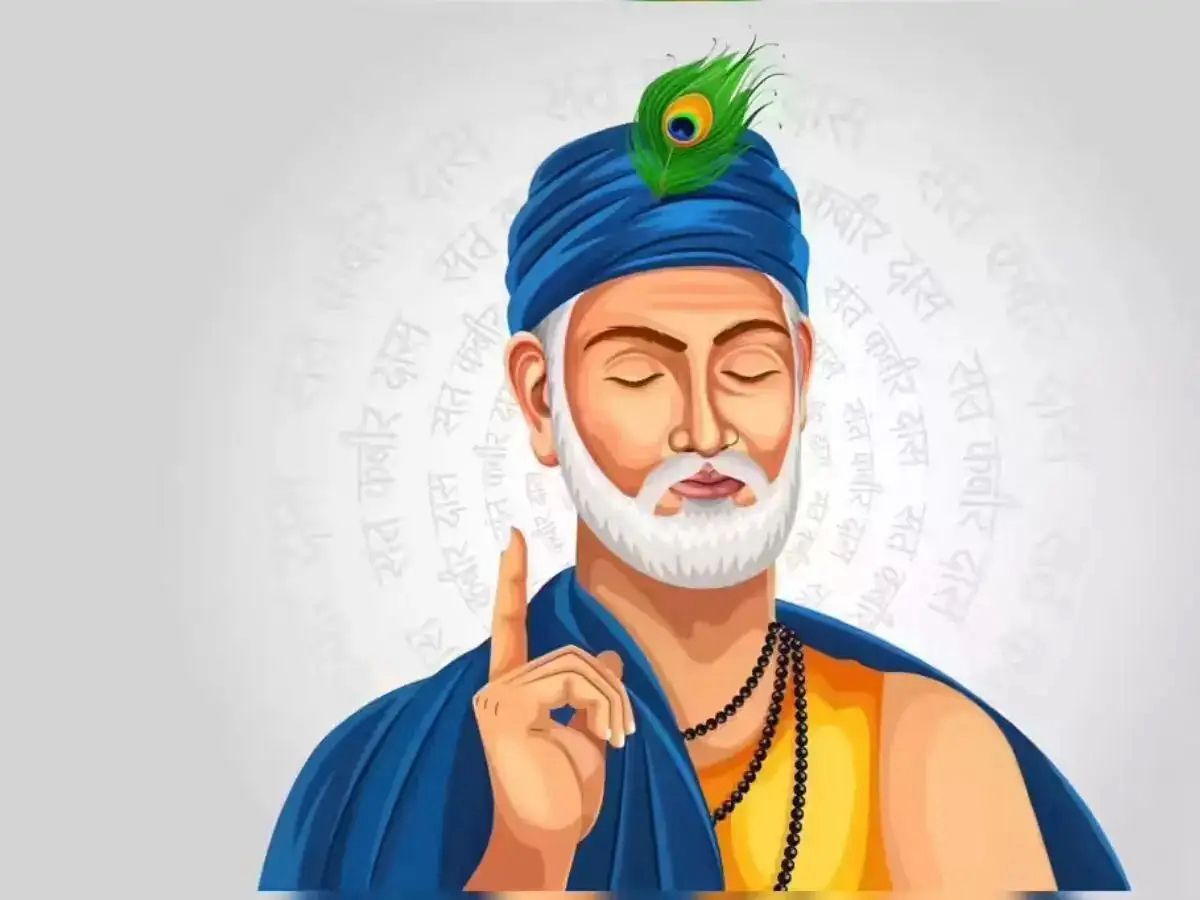
On June 29, 2026, India observes Kabir Jayanti, the 629th birth anniversary of the 15th-century mystic poet. Kabir remains a powerful symbol of social reform and spiritual unity, with his timeless dohas challenging religious orthodoxy and advocating for compassion and equality, continuing to inspire millions of seekers worldwide.
VARANASI — Millions across India are preparing to observe Kabir Jayanti on Monday, June 29, 2026, marking the 629th birth anniversary of Sant Kabir Das. The occasion commemorates the life and teachings of the 15th-century mystic poet, social reformer, and philosopher whose verses continue to resonate as a powerful force for unity and critical thinking in the modern era.
Celebrated annually on the full moon day of the Hindu month of Jyeshtha, Kabir Jayanti serves as a day for spiritual reflection, with cultural programs, reading sessions, and prayer gatherings scheduled across North India and beyond. From the ghats of Varanasi to local community centers, devotees honor the "Eternal Bard" for his revolutionary impact on the Bhakti movement and his enduring challenge to religious orthodoxy.
A Legacy of Iconoclasm and Unity
Sant Kabir Das is remembered not merely as a poet, but as a fearless critic of the social and religious rigidities of his time. Born into a community of Muslim weavers in Varanasi, his philosophy bridged the gap between Hinduism and Islam, rejecting the hypocrisy he observed in both. His iconic dohas (couplets) and shabdas (words) used the vernacular language of the common people, bypassing the scholarly barriers of Sanskrit and Persian to deliver a message of direct, unmediated devotion to a formless Divine.
"The relevance of Kabir today lies in his ability to dismantle the ‘I’—the ego—that drives division," noted scholars participating in pre-Jayanti discussions. By emphasizing that the temple and the mosque are secondary to the purity of one’s heart, Kabir established a path of universal brotherhood that continues to influence figures in Sikhism, Sufism, and the broader Bhakti traditions.
Cultural and Philosophical Significance
Kabir’s work, most famously compiled in the Kabir Bijak, remains a cornerstone of Indian philosophical discourse. His teachings encouraged individuals to seek truth within themselves rather than in external rituals. This inward-looking spirituality, coupled with his sharp social satire, has kept his poetry fresh and pertinent, even six centuries later.
The celebrations on June 29 are expected to feature literary seminars, musical performances featuring Kabir-vani (the voice of Kabir), and charitable initiatives organized by various Kabir Panthi sects. Major platforms and bookstores are also highlighting collections of his works, reflecting a renewed interest in his philosophy among younger generations seeking solace from modern societal conflicts.
Why It Matters
Kabir Jayanti is more than a historical commemoration; it is an annual reinforcement of the values of tolerance and self-inquiry. In a world characterized by polarization, Kabir’s insistence that "truth is in the heart, not in the scriptures" provides a vital framework for interfaith dialogue and internal peace. His poetry continues to serve as a mirror for society, urging citizens to look past superficial labels and recognize the shared humanity in all beings.
Key Facts at a Glance
Event: 629th Kabir Jayanti (Kabir Prakat Diwas).
Date: Monday, June 29, 2026.
Philosophy: Championed a formless God (Nirguna Bhakti), social equality, and the rejection of hollow rituals.
Core Works: The Kabir Bijak, Kabir Granthavali, and verses included in the Guru Granth Sahib.
Significance: Revered by Hindus, Muslims, and Sikhs for his message of universal brotherhood.
FAQ
What is the core message of Sant Kabir?
Kabir taught that God is formless and resides within the human heart. He rejected caste, ritualism, and religious bigotry, advocating for love, truth, and direct experience over formal worship.
Why is Kabir Jayanti celebrated on the full moon of Jyeshtha?
According to the traditional Vikram Samvat calendar, this is the day Kabir is believed to have manifested as a child on a lotus flower in Varanasi's Lahartara Lake.
How does Kabir's work impact modern society?
His verses are frequently used as tools for social reform and interfaith harmony, helping bridge divides in communities where religious and caste-based discrimination remain issues.
Source: National Today Holiday Guide, Jagatguru Rampal Ji Events, Britannica Biography