The article explores the ongoing tourism boom in Kashmir, driven by the newly extended 20-coach Vande Bharat Express and an influx of self-driven out-of-state road trips. This enhanced connectivity has caused a major surge in short stays and weekend tourism, filling hotels but also creating urban traffic congestion.
SRINAGAR, INDIA — A significant infrastructure upgrade has triggered an unprecedented summer travel wave across the region. Local hospitality sectors confirmed on Sunday, June 21, 2026, that the newly launched 20-coach Vande Bharat Express and a surge in self-driven road trips have collectively fueled a major Kashmir tourism boom. This dual-engine connectivity has reshaped travel habits, triggering a massive rise in short stays and weekend getaways.
The development marks an important economic turnaround today, successfully overcoming past seasonal disruptions and making the Valley accessible to a much broader demographic of domestic travelers.
Vande Bharat Express Registers Massive Occupancy Levels
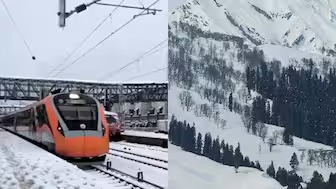
The primary catalyst behind the changing travel landscape is the augmented Jammu Tawi–Srinagar Vande Bharat Express, officially expanded to a 20-coach rake by Railway Minister Ashwini Vaishnaw on April 30, 2026. According to a performance report released by the Ministry of Railways, the expanded service has cut the transit time across the 266-kilometer mountain corridor to under five hours, a journey that previously required an unpredictable eight to twelve hours by highway.
Operational statistics show the train services carried 44,727 passengers within their first ten days of regularization alone, maintaining near-capacity loads. Weekend demand has been particularly high, with Sunday occupancy soaring to 98.21 percent. Travelers are utilizing the premium, all-weather rail link to bypass historical mountain road anxieties, driving a strong surge in micro-vacations and quick weekend breaks from neighboring northern states.
Self-Driven Out-of-State Road Trips Crowd Key Corridors
Alongside the rail rush, the Ministry of Tourism highlighted a visible increase in travelers driving their own vehicles into Jammu and Kashmir. Upgraded expressways and enhanced highway safety parameters have turned the region into a premium hub for road trippers. Accommodations are seeing a steady stream of personal vehicles carrying registration plates from Delhi, Uttar Pradesh, Rajasthan, and Gujarat.
The influx of self-driven cars has significantly modified the local hospitality market. This shift has created a dual impact on hoteliers and local administrators:
High Occupancy: Hotel occupancy levels have surged to approximately 90 percent in Srinagar, with popular hotspots like Gulmarg and Pahalgam reporting nearly full houseboats and resorts.
Softening Room Rates: To accommodate the changing travel pattern of shorter, budget-conscious stays, several properties have lowered luxury tariffs, with standard room rates adjusting down to competitive ranges to attract high volumes of independent travelers.
Urban Congestion: The high concentration of out-of-state cars has triggered severe traffic bottlenecks in Srinagar, especially along the iconic Boulevard Road overlooking Dal Lake.
Shifting Focus Beyond the Traditional Circuit
Data published in the Jammu and Kashmir Economic Survey indicates that the tourism sector contributes roughly 7 percent to the Union Territory's gross state domestic product, providing direct livelihoods to over 500,000 people. However, the current infrastructure-led boom is also exposing a unique spatial challenge.
While total tourist arrivals during the first four months of 2026 surpassed 4.23 lakh, the vast majority of these short-stay visitors remain concentrated within a well-worn loop consisting of Srinagar, Gulmarg, Pahalgam, and Sonamarg. The iconic Gulmarg Gondola, for instance, is currently handling a peak volume of nearly 5,000 riders every day, leading to heavy boarding queues. Local tourism boards are actively using this influx to promote offbeat destinations, seeking to distribute the economic benefits of short-stay travel evenly across the outer districts.
Official Sources Section
The passenger volumes, route configurations, and rail occupancy analytics are verified by formal press updates issued by the Press Information Bureau (PIB) on behalf of the Ministry of Railways. Regional travel data, traffic challenges, and hospitality sector pricing adjustments correspond to field statements compiled by the Jammu and Kashmir Directorate of Tourism.
Quote Section
Discussing the evolving travel trends, Syed Qamar Sajjad, Director of Tourism for Kashmir, highlighted the new interconnected regional routes:
"The rise in weekend tourism, along with a growing preference among visitors to drive their own cars, has led to traffic build-up along the Boulevard. Several visitors arriving at the Mata Vaishno Devi shrine in Katra are now extending their trips to Kashmir, as Srinagar is only about a four-hour drive away."
Why It Matters
For travelers and weekenders, the seamless integration of high-speed rail and dependable highways makes impromptu travel to Kashmir physically and financially viable. For local businesses and transport operators, the rapid influx of short-stay tourists provides a consistent, high-volume revenue stream, insulating the local economy from historical seasonal slumps and changing the long-term investment profile of the region's leisure sector.
Key Facts at a Glance
The Train Factor: The upgraded 20-coach Vande Bharat Express covers the Jammu-Srinagar corridor in under 5 hours, hitting 98.21% occupancy on weekends.
Travel Shift: Tourists are increasingly choosing shorter 2-to-3-night stays, replacing traditional week-long holiday itineraries.
Road Outflows: Vehicles from Delhi, UP, Rajasthan, and Gujarat are driving a sharp rise in independent, self-driven road trips.
Economic Footprint: Tourism accounts for 7% of J&K’s gross state domestic product, providing direct livelihood support to nearly 500,000 residents.
Local Attraction: Asia’s highest cable car ride, the Gulmarg Gondola, is currently handling a massive rush of nearly 5,000 daily passengers.
FAQ Section
Q: How has the Vande Bharat Express changed travel to Kashmir?
A: The 20-coach train has cut travel times between Jammu and Srinagar to less than five hours, offering an affordable, all-weather, and reliable alternative to flights or unpredictable mountain highways.
Q: Why are hotel room rates adjusting lower despite high tourist occupancy?
A: The surge in independent road trippers and short-stay weekend travelers has shifted market demand toward budget-friendly accommodations, homestays, and flexible pricing models.
Q: What is causing the severe traffic jams near Dal Lake in Srinagar?
A: The massive increase in tourists driving their personal out-of-state vehicles directly into the city has outpaced local parking layouts, causing temporary bottlenecks along Boulevard Road.
Q: Can travelers visit Kashmir easily from the Vaishno Devi shrine in Katra?
A: Yes. Due to new connecting rail options and improved road links, visitors frequently combine these destinations, treating Srinagar as a quick four-hour extension from Katra.
Source: Press Information Bureau (PIB) India, Directorate of Tourism Jammu & Kashmir, Jammu & Kashmir Economic Survey.