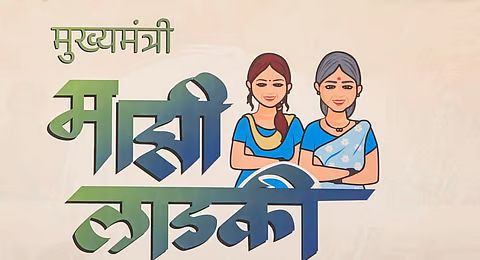
Maharashtra’s flagship Mukhyamantri Majhi Ladki Bahin Yojana, which provides ₹1,500 a month to eligible women, has inspired a new Marathi film, “Ladki Bahin”. Released on May 15, 2026, the movie dramatizes how a single monthly instalment transforms the life of a rural homemaker battling poverty, patriarchy and debt.
At a time when the Ladki Bahin scheme is under scrutiny over budget stress, pending instalments and implementation glitches, the state’s most high-profile welfare programme has arrived in cinemas. The film attempts to turn a policy narrative into a human story, asking what ₹1,500 really means in a struggling household.
What Ladki Bahin Promises
Launched in 2024, Mukhyamantri Majhi Ladki Bahin Yojana offers ₹1,500 per month to women aged 21–65 in Maharashtra who are not receiving equivalent benefits under other schemes, or a top‑up to match that amount when they are.
With over 2.5 crore applications and an estimated annual outlay of around ₹36,000 crore, it is among India’s largest direct cash-transfer programmes targeting women’s financial security and basic needs.
Ladki Bahin On The Silver Screen
Ladki Bahin, written by Satara-based distributor–writer Ganesh Shinde and directed and produced by his wife Sheetal Shinde, released in cinemas on May 15, 2026.
The film follows Uma, played by Marathi actor Smita Tambe, a destitute rural woman living with an unemployed, alcoholic husband, son and daughter; the tagline, “The ₹1,500 instalment is worth more than ₹1 lakh in our household”, underscores how pivotal the cash support becomes to her choices.
Politics, Optics And Timing
The Hindustan Times notes that the cinematic celebration comes even as the state trims the beneficiary list (after e‑KYC corrections and fraud checks) and grapples with delayed March–April instalments due to verification backlogs and budget pressure.
Critics see the film as part of a wider publicity push, the government has previously earmarked nearly ₹200 crore for Ladki Bahin scheme promotion – while supporters argue that showing a determined rural heroine on screen helps normalise women’s right to unconditional income support.
Cash Transfers, Dignity And Debate
Set against reports of wrongful exclusions, administrative errors and even men fraudulently accessing benefits, Ladki Bahin the film tries to re‑centre the conversation on the women the scheme was intended to help.
By moving from real policy to reel narrative, it highlights a core question for Maharashtra’s welfare state: can a monthly ₹1,500 instalment sustainably shift power inside households, or will leaks and fiscal stress blunt its promise over time?
Ladki Bahin Story Insights
- Ladki Bahin Yojana: ₹1,500 per month to 21–65 year old women; over 2.5 crore applicants, ~₹36,000 crore yearly cost
- Marathi film Ladki Bahin, written by Ganesh Shinde and directed by Sheetal Shinde, released May 15, 2026
- Plot follows Uma (Smita Tambe), a rural homemaker whose life begins to shift because of the monthly scheme transfer
- Release coincides with intense debate on instalment delays, e‑KYC clean‑up and the long‑term fiscal and social impact of the Ladki Bahin programme
Sources: Hindustan Times, Indian Express, Economic Times