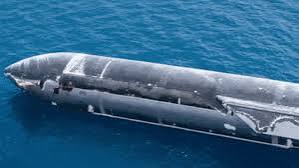
SpaceX has successfully towed its Starship Ship 40 prototype to Christmas Island after 24 days adrift in the Indian Ocean. The milestone recovery marks the first time an upper stage has been retrieved intact after a splashdown, offering crucial data for rocket reusability.
CHRISTMAS ISLAND — SpaceX recovery operations reached a notable milestone on Tuesday, August 18, 2026, as maritime teams successfully towed the Starship Ship 40 upper stage prototype to the calm nearshore waters of Christmas Island following a 24-day journey across the Indian Ocean.
The 52-meter rocket stage, which survived a controlled vertical splashdown on July 24 following its integrated test flight out of Texas, remained surprisingly buoyant and intact at sea. Facing rough maritime conditions and strong swells, recovery vessels navigated the massive test article to the Australian territory to stage further engineering inspections.
Maritime Recovery and Engineering Challenges
The unprecedented salvage effort marks the first time SpaceX has attempted to recover a flown Starship upper stage from the open ocean. While previous test flights concluded with controlled descents or intentional structural sinking, Ship 40 outperformed initial expectations, remaining seaworthy for over three weeks.
According to official updates, engineering briefings, and aerospace monitoring reports:
Drift and Tow Duration: Following its July 24 splashdown, the 52-meter vehicle was tracked across the Indian Ocean for approximately 24 days while support fleets managed adverse weather and choppy seas.
Exclusion Zone: Local authorities established a 500-meter maritime exclusion zone around the rocket and recovery vessels stationed in the protected bay off Christmas Island.
Engineering Dispatch: A dedicated team of SpaceX engineers is en route to conduct comprehensive structural, thermal protection, and material analyses in sheltered waters.
Future Logistics: Officials have not yet disclosed the final transport method to return the spacecraft to Starbase, given that slow-speed towing across ocean transits presents unique logistical timelines.
Official Sources Section
Quote Section
According to statements released by SpaceX via social media channels regarding the successful tow:
"After approx. 24 days at sea, the SpaceX Recovery team successfully guided Starship to a location just off the coast of Christmas Island. A team of SpaceX engineers is on their way to conduct additional analysis on the vehicle in calmer waters before attempting to return it to Starbase."
Why It Matters
For aerospace engineers and commercial spaceflight analysts, recovering an intact upper stage that has re-entered Earth's atmosphere provides invaluable physical data. Inspecting heat shield tiles, aerodynamics wear, and structural resilience after an ocean splashdown directly informs future iterations of fully reusable heavy-lift launch vehicles.
Key Facts at a Glance
Vehicle: Starship Ship 40 (upper stage prototype).
Milestone: First-ever recovery of an intact Starship upper stage after an ocean splashdown.
Location: Anchored in a protected bay off Christmas Island in the Indian Ocean.
Duration at Sea: Approximately 24 days following the July 24 test flight.
FAQ Section
Why was the SpaceX rocket towed to Christmas Island?
Recovery vessels brought Ship 40 to the sheltered waters of Christmas Island to escape rough open-ocean swells and provide a stable location for engineering inspections.
Is Ship 40 the first Starship upper stage to be recovered?
Yes, this marks the first time SpaceX has successfully kept and guided an intact Starship upper stage following an ocean splashdown.
How long was the rocket adrift in the ocean?
The vehicle remained afloat for approximately 24 days after completing its test flight on July 24, 2026.
What are SpaceX's next steps with the recovered vehicle?
Engineers are conducting structural and thermal analyses in calmer nearshore waters before determining how to transport the 52-meter rocket back to Texas.
Source: SpaceX, NASASpaceflight, The West Australian