At the 2026 G7 Summit in France, world leaders enacted a coordinated strategy to pressure Russia into ending the Ukraine war. Leveraging stabilized global energy markets, the G7 committed to stricter oil and gas sanctions, while U.S. President Donald Trump and European allies jointly urged Moscow to negotiate an immediate peace deal.
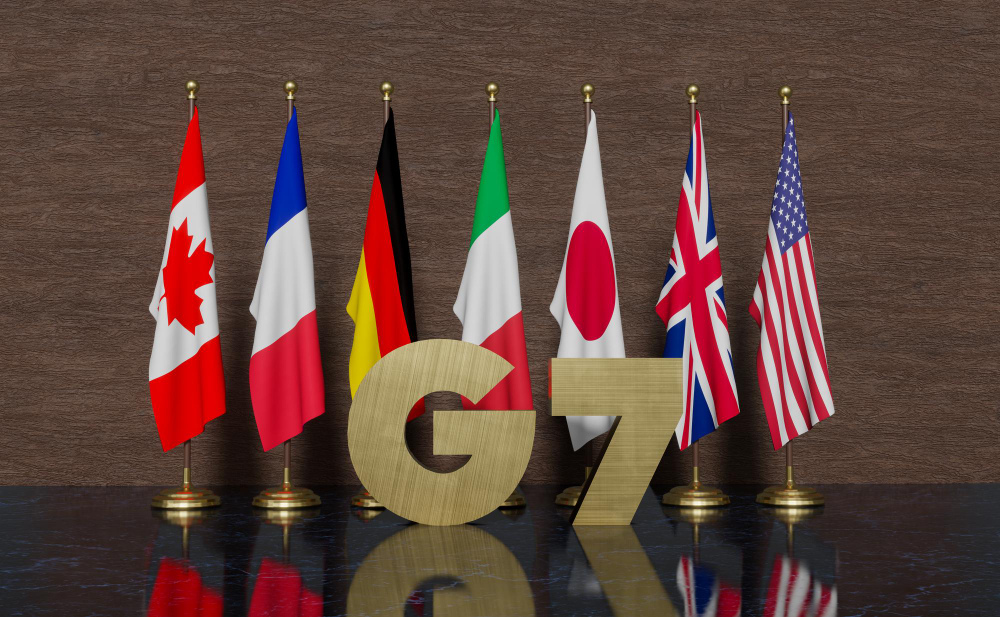
ÉVIAN-LES-BAINS, France — Leaders of the Group of Seven (G7) nations convened in the French resort town of Évian-les-Bains on Tuesday, June 16, 2026, united in a coordinated push to force Russia to end its ongoing war in Ukraine. The high-level working session, marked by the arrival of Ukrainian President Volodymyr Zelenskyy, saw major Western powers leverage recent shifts in global energy markets to tighten financial restrictions on Moscow. Amid a fresh diplomatic consensus, U.S. President Donald Trump publicly urged the Kremlin to negotiate a peace deal, signalling a renewed international focus on bringing the five-year conflict to an abrupt resolution.
Direct Diplomatic Interventions on Ukraine
The first day of the summit centered on a pivotal, face-to-face meeting between President Zelenskyy, President Trump, and European counterparts. According to European diplomats present at the talks, Zelenskyy provided a direct briefing on the current status of the battlefield, illustrating his presentation with recent images of a destructive Russian missile strike on Kyiv’s historic Pechersk Lavra monastery.
The strategy was described by officials as highly effective in shifting the tone of the room. Following the session, Trump expressed explicit disapproval of the strike and stated that Russia must move toward a formal diplomatic settlement.
"Russia should make a deal. Russia has lost tremendous amounts of people, and so has Ukraine," Trump told reporters following the conclusion of the working dinner. He added that the United States would consider reversing some of its temporary sanctions relief—originally introduced to stabilize global oil prices during recent Middle East supply disruptions—if Moscow refused to come to the negotiating table.
New Energy Sanctions and Changing Battlefield Dynamics
A primary pillar of the G7's renewed strategy relies on targeting Russia’s remaining economic lifeblood: its fossil fuel exports. A French diplomatic source confirmed to reporters that member nations agreed to significantly escalate economic sanctions specifically targeting Russian oil and gas infrastructure, as well as its covert "shadow fleet" of maritime tankers.
The timing of these measures aligns with structural shifts in global energy markets. G7 leaders noted that a recent resolution of shipping blockages in the Strait of Hormuz has triggered a substantial drop in global energy prices. These lower baseline prices create a unique economic window, allowing Western powers to impose stricter caps on Russian revenues without triggering an inflationary energy price spike for their own domestic consumers and businesses.
"Leaders decided today to increase the pressure on Russia through sanctions on gas and oil," the French official stated, noting a shared consensus among member states that current "momentum is in Ukraine's favor."
Regional Impact and Strategic Assurances
For citizens and business communities across Europe, the outcomes of the Évian summit carry distinct practical implications:
Investors and Energy Markets: The decision to double down on Russian oil and gas restrictions, balanced by stable shipping routes elsewhere, provides global commodities markets with a clearer regulatory trajectory, minimizing sudden price volatility.
Defense Industrial Sector: G7 members committed to immediately accelerating the delivery of sophisticated air defense capabilities to Ukraine. Zelenskyy noted that talks progressed on granting local manufacturing licenses to build Patriot missile components directly within Ukraine, a move likely to impact multinational aerospace defense firms.
Aviation and Logistics: Ongoing airspace restrictions and security enforcement across Eastern Europe are expected to remain tightly maintained, ensuring continuation of existing safety protocols for international carriers and cargo operators.
European Commission President Ursula von der Leyen echoed the optimistic sentiment via social media, stating, "The tide is turning for Ukraine. Russia's fatigue is openly showing. That's the time to double down on our support."
Official Sources Section
The information presented in this report is compiled directly from the following official channels and statements:
Official diplomatic briefings provided by the French Ministry for Europe and Foreign Affairs.
On-the-record press pool statements from U.S. President Donald Trump.
Official social media communiqués from Ukrainian President Volodymyr Zelenskyy.
Press conferences conducted by German Chancellor Friedrich Merz and Japanese Prime Minister Sanae Takaichi.
Quote Section
"According to officials, the G7 members intend to systematically deny Russia the financial resources required to sustain its military production, utilizing targeted banking and energy sector blockades to force a diplomatic resolution before the end of the summer season."
Why It Matters
The decisions made on Day 1 of the Évian summit mark a critical transition from containment to a structured exit strategy for the five-year-old conflict. By aligning aggressive economic penalties with direct, high-level diplomatic pressure, the G7 aims to alter the Kremlin's strategic calculus. For the global public, a successful peace deal could significantly stabilize international trade routes, lower agricultural and manufacturing supply chain costs, and reduce long-term geopolitical risks that have constrained international investments since 2022.
Key Facts at a Glance
Venue and Timing: Hosted in Évian-les-Bains, France, spanning June 15 to June 17, 2026.
Sanctions Escalation: New restrictions target Russian oil exports, gas infrastructure, and shadow maritime fleets.
Diplomatic Consensus: U.S. President Donald Trump and European leaders aligned on demanding Russia negotiate a swift peace settlement.
Military Aid: G7 nations pledged immediate enhancements to Ukraine’s domestic air defense network.
FAQ Section
Q1: What specific types of sanctions were agreed upon at the G7 Summit?
A: Leaders agreed to implement stricter economic penalties targeting Russia's banking sector, military supply chains, and its energy infrastructure, with a specific focus on restricting oil and gas exports carried via unregulated "shadow fleets."
Q2: Why is the current economic climate favorable for tightening Russian oil sanctions?
A: Following the stabilization of maritime traffic through the Strait of Hormuz, global energy prices have declined. This drop allows the G7 to safely restrict Russian energy revenues without causing an immediate price shock for Western consumers.
Q3: What was the primary outcome of the meeting between President Trump and President Zelenskyy?
A: The meeting concluded constructively, with Trump urging Russia to "make a deal" to halt the loss of life, while Zelenskyy secured commitments for increased air defense support and potential localized missile production.
Source: French Ministry for Europe and Foreign Affairs, G7 Summit 2026 Official Proceedings