In 2025, Generation Z is boldly reshaping the urban living landscape by fusing smart technology, eco-consciousness, and creative flexibility into city homes. Forget the old notion of high-tech living as a luxury—Gen Z sees smart homes as a necessity that embodies their values of sustainabil...
In 2025, Generation Z is boldly reshaping the urban living landscape by fusing smart technology, eco-consciousness, and creative flexibility into city homes. Forget the old notion of high-tech living as a luxury—Gen Z sees smart homes as a necessity that embodies their values of sustainability, digital fluency, and adaptability. This new wave is setting a lifestyle revolution in urban design with transformative trends, gadgets, and spaces that redefine comfort, convenience, and community.
Key Highlights
Tech-First Homes as the New Standard
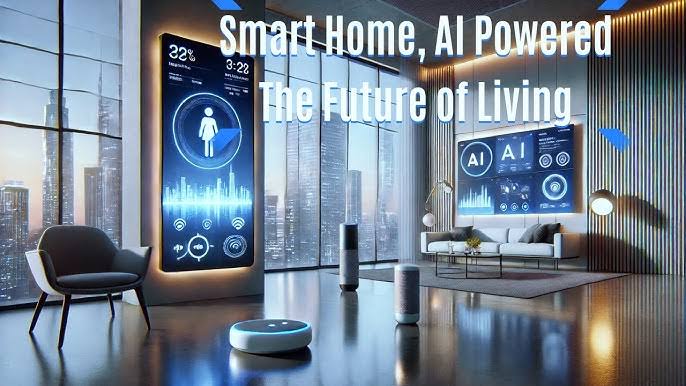
Gen Z demands seamless tech integration—think high-speed connectivity, app-connected appliances, and AI-powered assistants that manage lighting, security, and climate without fuss. In fact, for this generation, devices like smart plugs, adaptive lighting, and predictive thermostats are must-haves, not add-ons.
AI, Automation & Hyper-Personalization
AI-driven systems now learn user habits, predict preferences, and automate routines—your home knows when to wake you up softly, start the coffee, or lower the blinds, all without you lifting a finger. This kind of intuitive automation delivers comfort, productivity, and energy conservation in one go.
Eco-Conscious & Sustainable Living
Sustainability is front and center: homes are equipped with energy-saving smart gadgets, solar panels, water recycling, and sustainable materials like upcycled denim or recycled plastics. These aren’t just “green” features—they’re core requirements for Gen Z, who want homes that help lower their carbon footprint and conserve resources.
Flexible and Multi-Functional Spaces
Urban homes are morphing into adaptable hubs—with movable partitions, convertible rooms, and smart setups for remote work, gaming, wellness, and social gathering. This flexibility reflects Gen Z’s hybrid lifestyle, where living, working, and relaxing all happen seamlessly under one tech-enabled roof.
Digital-First Homebuying & Rentals
Virtual reality (VR) tours, social media-driven property discovery, and blockchain-enabled transactions are now mainstream, thanks to Gen Z’s digital shopping habits. Urban real estate is keeping pace by offering 100% digital, transparent, and personalized experiences—speeding up the journey from browsing to closing.
Rise of Co-living and Micro-Apartments
Gen Z’s desire for both affordability and community has made micro-homes, co-living arrangements, and short-term rentals the fastest-growing choices in cities. These rentals come with shared amenities, community events, and compact yet ultra-smart private spaces, enabling mobility and fostering social connections.
Wellness and Security Upgrades
Smart security cameras with AI-powered alerts, touchless entry, and health-centric features like air quality monitoring and personalized lighting aim to enhance both peace of mind and wellbeing—a crucial draw for urban Gen Zers.
The Big Picture
Generation Z is not just using smart home technology—they’re making it the blueprint for new urban housing. Their influence is nudging developers and designers to craft sustainable, tech-centric, flexible, and community-driven living spaces, fundamentally changing how we think about “home” in the city.
With Gen Z’s smart homes leading the trend, tomorrow’s urban dwellings will be dynamic ecosystems—responsive, green, and deeply attuned to their residents’ digital lives and ethical priorities.
Source: eha.eco, Promwad, Housing.com, Innexia.in