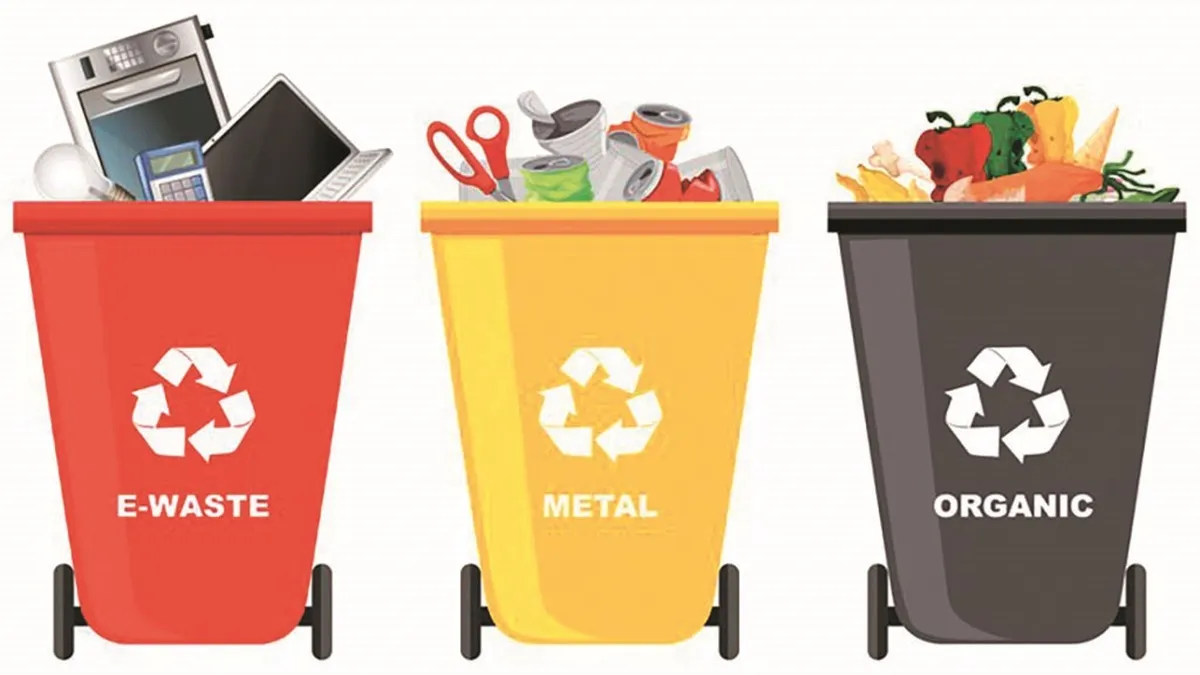
Top firms such as Daikin, Samsung, and other electronics producers are opposing the Modi Government's new e-waste policy, complaining of higher compliance expenses and tougher recycling requirements. The policy, which seeks to tackle India's growing e-waste issue, has industry-wide contro...
Top firms such as Daikin, Samsung, and other electronics producers are opposing the Modi Government's new e-waste policy, complaining of higher compliance expenses and tougher recycling requirements. The policy, which seeks to tackle India's growing e-waste issue, has industry-wide controversy as it compels manufacturers to be more environmentally friendly.
The Revised E-Waste Policy:
The new regulations mandate that companies guarantee extended producer responsibility (EPR), and they will be held responsible for collecting, recycling, and disposing of e-waste produced by their products.
Severe penalties are specified for non-compliance, with further scrutiny of recycling deadlines.
Industry Pushback:
Daikin and Samsung and other companies contend that the new regulations add considerably to their cost of doing business, especially for smaller companies and those that import heavily.
Multinationals argue that the paucity of proper e-waste infrastructure and support systems in India makes it difficult and expensive to comply.
Comparison with Previous Figures:
In February 2025, the rates of e-waste recycling saw a perceptible hike, supported by pilot programs initiated by leading companies under the previous EPR system.
Industry estimates indicate that e-waste compliance expenses are likely to increase by 20-30% in FY26 under the new policies from FY25 compliance under the old regime.
Government Position:
The Modi government asserts that more stringent e-waste policies are essential to dealing with the annual 3.2 million tons of e-waste produced in India, which is one of the highest in the world.
Authorities have assured players in the industry that support mechanisms and subsidies will be implemented to mitigate the cost of compliance.
Environmental Impact:
The new policy seeks to substantially curb environmental damage from toxic e-waste components such as lead, cadmium, and mercury.
It also brings India's sustainability ambitions in sync with global obligations under the Paris Agreement.
Leadership Insights:
An industry representative said:
We are serious about sustainability, but the absence of infrastructure and the ambiguity of the e-waste policy render compliance an expensive hurdle."
A government official replied:
"These regulations are needed to protect the environment and maintain worldwide competitiveness in sustainability practices."
Prospects:
While companies keep bargaining with the government, experts predict the eventual creation of public-private partnerships to overcome compliance problems and construct e-waste recycling infrastructure.
Conclusion:
India's new e-waste policy underlines the conflict between economic feasibility and environmental sustainability, with industry and the government trying to achieve a delicate balance.
Source: Placeholder analysis based on given announcements.