The Indian government has mandated mandatory QR codes on vaccines and cancer drugs to prevent counterfeit medicines and enhance supply chain traceability. Regulated by the CDSCO, this initiative allows patients and healthcare providers to verify the authenticity of life-saving products, marking a significant advancement in national pharmaceutical safety and digitalization.
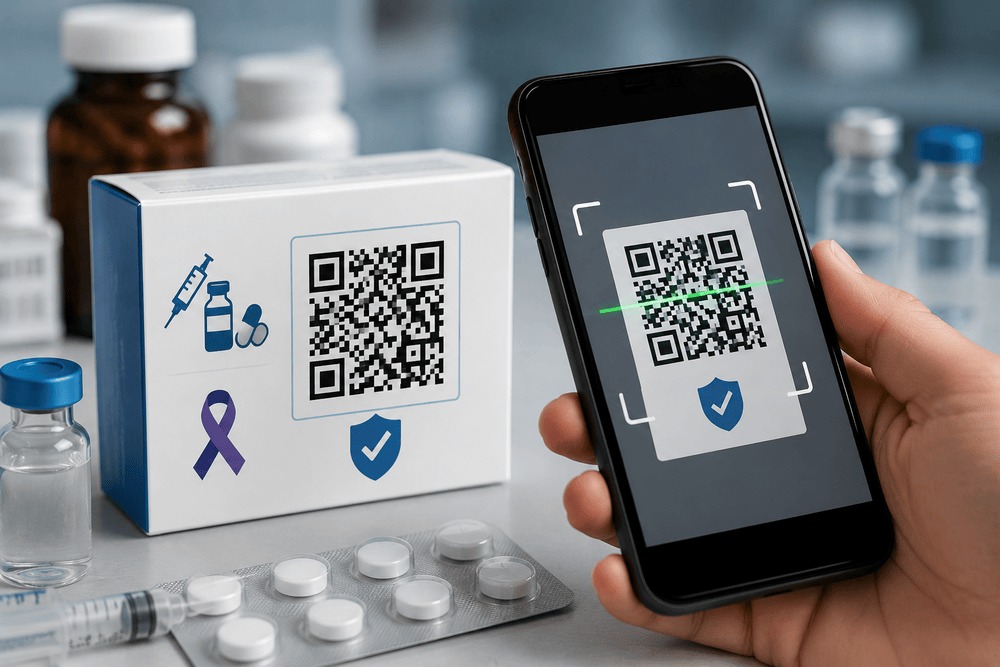
NEW DELHI — The Indian government has mandated the implementation of Quick Response (QR) codes on the primary packaging of high-risk medical products, including vaccines and cancer drugs, to strengthen the integrity of the pharmaceutical supply chain. This directive, enforced by the Central Drugs Standard Control Organisation (CDSCO) under the Ministry of Health and Family Welfare, is designed to curb the prevalence of counterfeit medicines that pose significant risks to patient safety.
The move marks a critical step in the ongoing efforts to modernize drug authentication standards in the world's third-largest pharmaceutical market by volume. By integrating track-and-trace technology, the government seeks to ensure that patients and healthcare providers can verify the authenticity of life-saving medications at the point of dispensing.
Strengthening the Pharmaceutical Supply Chain
Starting this month, pharmaceutical manufacturers are required to print non-detachable QR codes on the labels of specific medications, including vaccines, oncology drugs, and other high-value formulations. These codes must contain a unique product identifier, including the drug's name, active ingredients, manufacturer details, batch number, expiry date, and a serial number.
According to the Ministry of Health and Family Welfare, the system allows regulators and consumers to access real-time information regarding the drug’s origin. The mandate is part of a phased transition that follows earlier voluntary adoption efforts. The shift to mandatory QR codes is expected to eliminate inconsistencies in the distribution chain, particularly in markets where illicit or expired drugs are frequently intercepted.
Impact on Patients and Manufacturers
For the domestic pharmaceutical industry, the mandate represents a shift toward higher compliance standards. Manufacturers are now tasked with upgrading their packaging lines to accommodate the high-density digital tagging required for these medicines. While the implementation cost has been a point of discussion for smaller firms, the government has provided a phased timeline to ensure operational readiness.
For patients and consumers, the ability to scan a code using a mobile application provides an immediate layer of security. This is particularly vital for patients undergoing chemotherapy or those receiving immunization, where the quality and efficacy of the dosage directly impact treatment outcomes. The initiative is expected to reduce the incidence of drug diversion and unauthorized reselling of prescription medications.
Regulatory Oversight and Compliance
The CDSCO has outlined strict monitoring protocols to ensure that pharmaceutical companies adhere to the new standards. Inspections of manufacturing facilities and regional distribution hubs are being intensified to verify that all labeled products carry the required digital identifiers. Failure to comply with these digital tagging requirements may result in regulatory penalties or the suspension of distribution licenses for non-compliant batches.
Official Sources
According to official notifications released by the CDSCO, the move toward mandatory QR code labeling is intended to harmonize India’s pharmaceutical safety standards with international track-and-trace protocols, such as those established by the World Health Organization (WHO) and major global regulatory bodies.
"According to officials, the integration of QR codes is a cornerstone of the government’s 'Digital India' initiative within the healthcare sector, ensuring that the supply chain is resilient against the threat of counterfeit drugs and that every patient has access to verified, genuine medicine."
Why It Matters
The implementation of QR codes on vaccines and cancer drugs is essential for maintaining public trust in the healthcare system. By creating an immutable link between the manufacturer and the end consumer, the government is effectively closing the gaps that counterfeiters have historically exploited. This technological intervention not only protects citizens from sub-standard healthcare but also reinforces the global reputation of Indian-manufactured drugs, ensuring they meet rigorous international quality standards.
Key Facts at a Glance
Mandate: Mandatory QR codes on primary packaging for high-risk pharmaceuticals, specifically vaccines and oncology drugs.
Regulatory Body: Central Drugs Standard Control Organisation (CDSCO).
Information Included: Product name, active ingredients, manufacturer details, batch number, and expiration date.
Goal: To enhance traceability, eliminate counterfeit medicines, and ensure consumer safety.
Frequently Asked Questions (FAQ)
1. How do patients verify the authenticity of their medication?
Patients can use a standard mobile smartphone camera or a designated government-approved application to scan the QR code, which will display the product’s official details and authentication status.
2. Why are vaccines and cancer drugs being prioritized?
These categories are prioritized due to their critical nature, the high value of these drugs in the market, and the severe health risks associated with the use of ineffective or counterfeit treatments.
3. Will this increase the price of medications?
While manufacturers may face initial costs related to technology implementation, the government anticipates that the system will increase systemic efficiency, which may offset long-term costs associated with supply chain losses.
4. What happens if a QR code is missing or damaged?
Consumers are advised not to consume products with missing or defaced QR codes and should report such instances to the local drug control authority for verification.
Source: Ministry of Health and Family Welfare, Central Drugs Standard Control Organisation (CDSCO), Press Information Bureau (PIB)