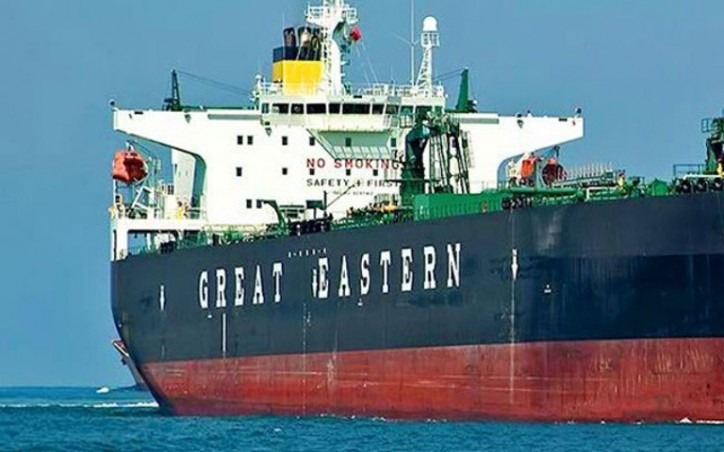
The Great Eastern Shipping Company has taken formal delivery of the 2015-built Long Range 2 product tanker Jag Laxman (~110,000 dwt). Financed entirely via internal accruals, the vessel replaces an older 2009-built tanker, optimizing the firm's 40-vessel fleet age amid near-100% operating capacity utilization.
MUMBAI — Accelerating its strategic asset-recycling and fleet modernization program, The Great Eastern Shipping Company Limited (GE Shipping) announced on July 9, 2026, that it has formally taken delivery of a 2015-built second-hand Long Range 2 (LR2) product tanker. The newly inducted vessel, measuring approximately 110,000 deadweight tonnage (dwt), has been officially renamed Jag Laxman.
The delivery is highly critical today as it directly addresses severe tonnage constraints inside the global energy shipping sector. By immediately introducing a highly efficient, mid-age liquid bulk carrier to the market, GE Shipping preserves its near-100% capacity utilization rate. This allows the maritime transport leader to capture premium spot and time-charter earnings as shifting geopolitical trade flows prolong average sailing distances for refined petroleum products.
Fleet Optimization and Seamless Tonnage Replacement
The acquisition of the Jag Laxman represents the completion of a highly structured fleet-renewal swap executed by the Mumbai-headquartered shipping company. GE Shipping originally contracted to acquire the 2015-built second-hand LR2 vessel on June 16, 2026. This purchase transaction was meticulously timed alongside a parallel regulatory disclosure filed on July 7, 2026, detailing the formal sale of the firm's older, 2009-built LR2 tanker, Jag Lokesh (~105,900 dwt), to an unaffiliated third party.
By divesting a 17-year-old oil products carrier and immediately replacing it with the younger Jag Laxman, management lowers the overall average age profile of its energy logistics division. This structural substitution allows GE Shipping to achieve significantly better fuel-burn parameters and optimize automated fleet mechanics, minimizing on-board maintenance outlays without causing a temporary drop in its total deadweight cargo capacity.
Capital Allocation Protocol and Post-Induction Fleet Matrix
In alignment with its conservative financial risk guidelines, GE Shipping’s executive board confirmed that the purchase of the Jag Laxman was financed entirely through corporate internal accruals. Bypassing external debt instruments or equity dilution pathways keeps the enterprise virtually insulated from high commercial lending rates, reinforcing a highly disciplined balance sheet architecture.
Following the formal delivery of the Jag Laxman and the scheduled handover of the Jag Lokesh, the company’s total owned fleet scales to a balanced matrix of 40 active ocean-going vessels.
| Fleet Segment | Vessel Count | Sub-Type Breakdown |
| Tankers (Liquid Bulk) | 25 | 5 Crude Tankers, 16 Product Tankers, 4 LPG Carriers |
| Dry Bulk Carriers | 15 | 2 Capesize, 10 Kamsarmax, 1 Ultramax, 2 Supramax |
| Total Owned Fleet | 40 | Aggregating approximately 3.24 million dwt |
This diversified maritime presence is augmented by an active capacity utilization rate holding close to 100%, demonstrating robust demand across both its dry commodity routes and oil transportation networks.
Official Sources Section
According to statutory material event disclosures filed with BSE Limited and the National Stock Exchange of India (NSE) on July 9, 2026, the physical delivery and technical registration of the vessel have been successfully cleared by maritime authorities. The vessel will immediately enter global commercial trading operations to fulfill pre-existing refined product transport commitments under the Indian flag.
Quote Section
In the official press releases issued regarding the asset induction and updated operational capacity, corporate officers confirmed the strategic purpose of the transaction:
"According to officials, the successful delivery of the 2015-built Long Range 2 tanker 'Jag Laxman' forms a vital component of the company's ongoing fleet renewal and modernization program. The acquisition ensures the continuity of high-efficiency cargo transport services for our global energy clients while maintaining a debt-free capital allocation structure funded strictly via internal accruals."
Why It Matters
The modernization of large-scale oil products tankers shapes transport safety and returns across multiple economic tiers:
For Energy Corporations and Traders: Utilizing newer, mid-age LR2 tankers minimizes the risk of structural cargo contamination and reduces transit fuel surcharges, supporting efficient transshipment corridors for aviation fuel, diesel, and naphtha.
For Maritime Personnel: The Jag Laxman features advanced bridge automation and eco-optimized propulsion systems, lowering physical strain and improving safety metrics for sailing crews.
For Shipping Investors: Asset recycling replacing older vessels with modern tonnage using cash-on-hand protects long-term corporate dividend-paying power from the heavy compliance penalties linked with carbon intensity indicators.
Key Facts at a Glance
Vessel Induction: Great Eastern Shipping has officially taken delivery of the 110,000 dwt LR2 product tanker Jag Laxman.
Asset Recycling: The younger vessel directly replaces the 2009-built Jag Lokesh, which was concurrently sold to an external buyer.
Balance Sheet Discipline: The acquisition transaction was funded 100% out of internal corporate cash reserves.
Fleet Matrix Status: The company's total owned fleet settles at 40 vessels, aggregating 3.24 million deadweight tons with near-100% capacity utilization.
FAQ Section
What is a Long Range 2 (LR2) tanker and what does it transport?
An LR2 tanker is a large-scale liquid bulk carrier with a carrying capacity between 80,000 and 120,000 deadweight tons. It is specifically optimized to transport clean petroleum products, including jet fuel, diesel, gasoline, and naphtha over long-haul international maritime routes.
Why does GE Shipping purchase second-hand vessels instead of commissioning new builds?
Acquiring high-quality, second-hand vessels like the 2015-built Jag Laxman allows the company to avoid long 3-to-4-year shipyard construction backlogs. This enables immediate deployment into active charter markets to take advantage of high freight rates.
How do modern international carbon regulations affect the company's fleet choices?
Under strict International Maritime Organization (IMO) carbon intensity indicators (CII), older vessels face operational restrictions or heavy penalties if their emissions are too high. Replacing older ships with more efficient models protects the company's compliance standing.
Source: Official corporate material event notifications and fleet data published via The Great Eastern Shipping Company Investor Portal, statutory listings archived on the National Stock Exchange of India (NSE), and global maritime delivery indexes tracked via Refinitiv Shipping Databases.