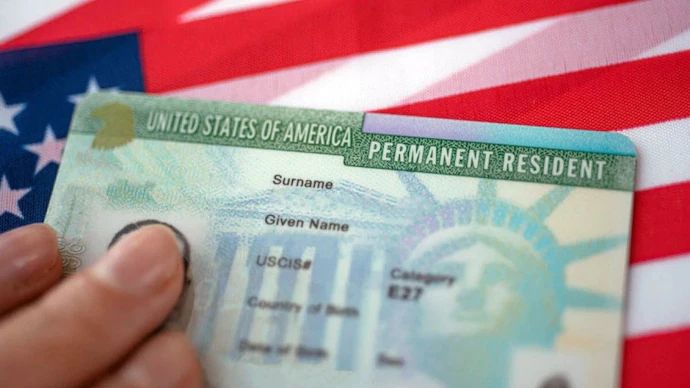
Renewed legislative focus on the American Dream and Promise Act has sparked discussions regarding pathways to permanent residency for Dreamers and TPS/DED holders. Immigration experts caution that the proposal remains a pending bill requiring full congressional enactment before any legal status changes take effect.
Renewed legislative discussions surrounding the American Dream and Promise Act ignite intense debate over green card eligibility for TPS and DED holders in the United States.
As US immigration policy faces renewed scrutiny in Washington, attention has once again focused on long-standing proposals aimed at granting permanent residency to vulnerable migrant communities. According to legislative updates reported by the Hindustan Times, fresh discussions around the American Dream and Promise Act have brought renewed hope—and widespread uncertainty—to hundreds of thousands of individuals living under temporary protections. The proposed legal framework intends to establish a viable pathway to lawful permanent residency for qualified "Dreamers," alongside specific beneficiaries of Temporary Protected Status (TPS) and Deferred Enforced Departure (DED). However, immigration attorneys and policy experts emphasize that the text remains strictly a congressional bill awaiting legislative action rather than an enacted law.
Legislative Scope and Eligibility Framework
The proposed legislation outlines rigorous criteria that applicants must fulfill to qualify for conditional or permanent legal status.
Targeted Beneficiaries: The framework addresses undocumented individuals who arrived in the US during childhood (commonly referred to as Dreamers) alongside foreign nationals protected by temporary humanitarian safeguards.
Stringent Compliance Standards: Candidates must demonstrate continuous physical presence in the United States since January 1, 2021, meet specific educational milestones, and clear comprehensive background checks.
Exclusions and Restrictions: Individuals convicted of felonies, multiple misdemeanors, or domestic violence offenses are strictly barred from qualification, though limited humanitarian waivers may apply under specific Department of Homeland Security discretion.
Impact on Visa Holders and Long-Term Residents
While the legislation primarily targets non-citizens under temporary status rather than traditional employment-based backlogs, the ongoing debate underscores the volatility of the American immigration landscape. For families and professionals navigating complex visa structures, the proposal highlights the persistent gap between temporary work permissions and permanent residency. Observers note that any substantive pathway depends entirely on whether congressional proponents can secure the requisite bipartisan support to advance the bill through both the House and the Senate.
Why It Matters
For thousands of long-term residents living under temporary protection programs, understanding the limitations of pending legislation prevents misinformation and false security. Clarifying that the bill lacks immediate legal effect ensures applicants rely on verified legal counsel rather than speculative reports.
Key Facts at a Glance
Proposed Bill: The American Dream and Promise Act.
Key Groups Involved: Dreamers, DACA recipients, and specific TPS and DED holders.
Core Requirement: Continuous US residence since January 1, 2021, coupled with strict background and educational checks.
Current Status: A congressional bill requiring full legislative passage and presidential approval to take effect.
Frequently Asked Questions
What is the American Dream and Promise Act?
It is a congressional proposal designed to create a structured pathway to lawful permanent residency for qualifying Dreamers and certain temporary protection holders.
Does this bill apply to current TPS and DED holders?
Yes, specific beneficiaries of Temporary Protected Status (TPS) and Deferred Enforced Departure (DED) are included under the proposed provisions, provided they meet strict residency and background criteria.
Is the American Dream and Promise Act currently active law?
No. Immigration experts stress that the proposal is only a bill and holds no legal effect until passed by Congress and signed into law.
Source: U.S. Congress, Hindustan Times