Gujarat's rich historical and cultural quilt continues to entice record tourists, with over 36.95 lakh (3.6 million) people visiting the state's 18 heritage sites during 2024. This overflow, both domestically and internationally, speaks volumes for Gujarat's ascent as a flagship desti...
Gujarat's rich historical and cultural quilt continues to entice record tourists, with over 36.95 lakh (3.6 million) people visiting the state's 18 heritage sites during 2024. This overflow, both domestically and internationally, speaks volumes for Gujarat's ascent as a flagship destination for culture and heritage travel in India.
World Heritage Sites Shine Bright
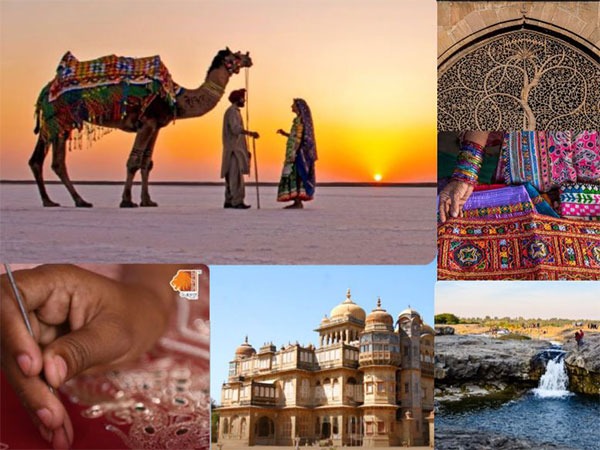
At the center of this tourism surge are Gujarat's four UNESCO World Heritage Sites—Ahmedabad's old city, Rani Ki Vav in Patan, Dholavira in Kutch, and Champaner-Pavagadh Archaeological Park. Combined, these sites received close to 12.88 lakh visitors last year. Ahmedabad, India's first UNESCO World Heritage City, topped the list with more than 7.15 lakh visitors, attracted by its mix of maze-like pols, beautiful mosques, and lively bazaars. Rani Ki Vav, the breathtaking 11th-century stepwell of Patan, received over 3.64 lakh tourists, while Dholavira, the Harappan wonder, received over 1.6 lakh. Champaner-Pavagadh, with Sultanate-era fortifications and temples, received over 47,000 history lovers.
Beyond the Big Four: A Tapestry of Heritage
The other 14 of Gujarat's cultural heritage sites, spread throughout the state, also experienced a steep increase in visits, reflecting an increasing demand for experiential, off-beat travel experiences. These feature ancient palaces, forts, stepwells, and maharaj estates—many restored under the Heritage Tourism Policy (2020–25) of the state. The policy facilitates restoration, adaptive reuse, and opening up closed sites in towns and villages to visitors, diversifying Gujarat's tourism further.
Driving Forces: Policy, Preservation, and Experience
A number of forces are driving this heritage revival:
-
Heritage Tourism Policy: Gujarat's visionary policy has promoted state-private local partnerships for sustainable preservation and people-friendly enhancement.
-
Infrastructure Push: Better roads, signage, visitor facilities, and technology such as QR-coded virtual tours and multilingual guides have increased access and interest, particularly among foreign visitors.
-
Experiential Tourism: Heritage walks, food trails, craft workshops, and cultural performances now accompany conventional sightseeing, providing tourists with a richer, more authentic experience of Gujarat's history and communities.
Economic and Social Impact
The tourist surge has provided a real economic injection to the local community, employing guides, craft people, and small entrepreneurs. Community-based tourism strategies are becoming increasingly popular, with the benefits of tourism percolating down to grassroots levels. The state's focus on sustainable tourism—fair balance between growth and conservation—has preserved the cultural integrity of these places while still allowing for increasing visitor volumes.
Sustainability and the Road Ahead
With the trend in international tourism moving towards sustainable and immersive experiences, Gujarat is going whole hog on sustainability. Plans are to rationalize garbage disposal, manage peak season volumes, and ramp up infrastructure improvements without sacrificing heritage value. Such initiatives as Swadesh Darshan 2.0, that encompass Dholavira and Dwarka for integrated development, reflect the state's bet on long-term, equitable progress.
Challenges and Opportunities
Although the increase is heartening, it comes with challenges—primarily, balancing conservation and business interests and making sure that local people are at the center of the tourism narrative. Continued investment in site upkeep, digital technology, and community involvement will be central to maintaining Gujarat's heritage tourism momentum.
Conclusion
Gujarat's 18 heritage locations are more than reminders of what used to be—these are vibrant, living, breathing areas that engage the visitor with India's richly varied cultural heritage. As increasing numbers of tourists look for real, genuine experiences, Gujarat's mix of conservation, innovation, and local community engagement makes it a trendsetter in India's heritage tourism space.
Source: Indian Express, Economic Times Government, Desh Gujarat