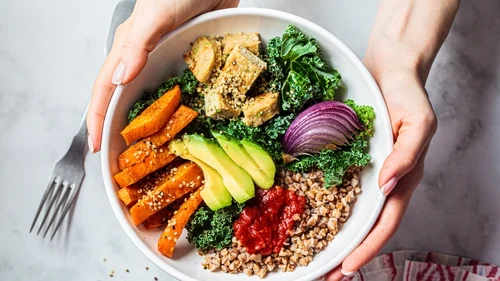
Adopting a plant-based protein diet requires a strategic focus on food variety and preparation. Because plant proteins possess lower bioavailability and varying amino acid profiles, techniques like soaking grains and pairing complementary foods—such as legumes with rice—are essential to optimize nutrient absorption and fulfill daily metabolic requirements safely.
As global demand rises, nutritionists outline evidence-based strategies to optimize plant protein absorption and meet daily dietary requirements.
NEW DELHI — The global shift toward sustainable eating has positioned plant-based protein as a mainstream dietary choice for millions of consumers looking to improve health outcomes and reduce environmental footprints. While the adoption of meat alternatives and plant-forward diets has accelerated significantly over the last three years, emerging clinical guidance emphasizes that successful transition requires strategic meal planning. Nutritional experts and food regulatory authorities note that understanding protein bioavailability, amino acid profiles, and proper food preparation techniques is critical today to ensure individuals meet their daily physiological needs without relying solely on animal products.
The Rising Shift Toward Plant-Based Nutrition
Market data indicates an unprecedented surge in the consumption of plant-derived foods. According to a recent global consumer analysis by the Food and Agriculture Organization (FAO), the plant-based protein market is projected to expand significantly, driven by health-conscious consumers and sustainability initiatives.
However, health agency officials warn that simply eliminating animal proteins without calculating nutritional equivalence can lead to micronutrient deficiencies. The transition requires a foundational understanding of how plant proteins function within the human metabolic system compared to their animal counterparts.
Overcoming the Completeness and Bioavailability Challenge
A primary concern often raised by healthcare providers is the "completeness" of plant proteins. Unlike meat, dairy, and eggs, many individual plant foods do not contain all nine essential amino acids that the human body cannot synthesize on its own.
Combining Complementary Proteins
Dietitians advise that individuals do not need to consume all essential amino acids in a single meal, provided a diverse variety of foods is consumed throughout the day.
Addressing the Digestibility Factor
Data from the World Health Organization (WHO) highlights that plant proteins generally have lower bioavailability than animal proteins due to the presence of antinutrients like phytates and tannins. These compounds bind to minerals and inhibit protein breakdown. Experts recommend traditional preparation methods such as soaking, sprouting, and fermenting legumes and grains to significantly lower phytate levels and increase net protein utilization.
Strategic Meal Planning for Diverse Demographics
The daily protein requirement varies heavily based on age, physical activity levels, and specific health goals. Regulatory guidelines generally recommend a baseline intake of $0.8\text{ grams}$ of protein per kilogram of body weight for sedentary adults. However, for those relying entirely on plant sources, some sports nutritionists suggest aiming slightly higher—around $0.9\text{ grams}$ to $1.0\text{ gram}$ per kilogram—to compensate for the lower absorption rates.
Guidelines for Athletes and Active Individuals
For fitness enthusiasts, achieving optimal muscle protein synthesis requires deliberate timing. Consuming branched-chain amino acids (BCAAs), particularly leucine, is vital. Soy products, pumpkin seeds, and pea protein isolates are recognized as excellent plant-based sources of leucine.
Impact on Senior Citizens and Vulnerable Groups
Older adults require higher protein thresholds to combat age-related muscle loss (sarcopenia). Clinical trials supported by national health institutes indicate that incorporating fortified plant milks, tofu, and clean protein isolates into the daily diets of seniors helps maintain skeletal muscle mass effectively without altering cholesterol levels.
Official Sources Section
The guidelines and statistical data featured in this report are compiled from official public health statements, published dietary guidelines, and regulatory releases provided by the following institutions:
The Food and Agriculture Organization (FAO)
The World Health Organization (WHO) Department of Nutrition for Health and Development
The Indian Council of Medical Research (ICMR) – National Institute of Nutrition
Expert Commentary
"The misconception that plant-based diets inherently lack sufficient protein is being systematically dismantled by rigorous clinical science," stated senior nutritional researchers. "According to officials at leading public health institutions, the focus must shift away from strict protein quantity and toward dietary diversity and strategic preparation techniques that maximize nutrient absorption."
Why It Matters
Transitioning effectively to plant-based protein has direct practical implications for consumer health and household budgeting. Properly managed plant-forward diets are clinically proven to lower the risk of cardiovascular diseases, type 2 diabetes, and systemic inflammation. For consumers, mastering the use of affordable whole foods like lentils, chickpeas, and local grains provides a cost-effective alternative to expensive processed meat substitutes, ensuring long-term physical and financial well-being.
Key Facts at a Glance
Amino Acid Synergy: Plant foods do not need to be eaten together at every meal; consuming a varied diet across a 24-hour window ensures the body aggregates a complete amino acid pool.
Bioavailability Boost: Soaking, cooking, and sprouting plant-based items reduces antinutrients, enhancing protein and mineral absorption by up to 30%.
Satiety and Weight Management: Plant proteins naturally come packed with dietary fiber, promoting prolonged satiety and aiding in metabolic regulation.
Environmental Dividends: Shifting to plant-derived proteins reduces an individual's dietary carbon footprint by an estimated 40% to 70% compared to high-meat diets.
Frequently Asked Questions
Q: Can I build muscle effectively using only plant-based protein? A: Yes. Clinical studies show that when total protein intake and amino acid profiles are matched, plant-based proteins like soy or pea isolates support muscle hypertrophy and strength gains as effectively as whey protein.
Q: What are the best whole-food plant protein sources? A: Exceptional sources include soybeans (edamame, tofu, tempeh), lentils, chickpeas, black beans, quinoa, hemp seeds, chia seeds, and spirulina.
Q: Do I need to worry about micronutrient deficiencies on a plant-heavy diet? A: While protein needs can be easily met, individuals omitting all animal products should monitor their intake of Vitamin B12, Iron, Zinc, and Vitamin D. Fortified foods or targeted supplementation are frequently recommended by healthcare providers.
Sources