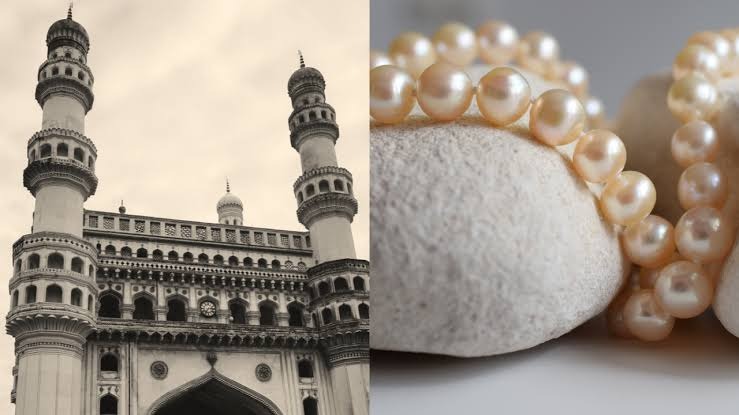
Hyderabad, the capital of Telangana, is famously known as the "City of Pearls" due to a 400-year-old legacy of pearl trading and craftsmanship. Established by the Nizams, the industry remains a vital part of the city's economy and culture, centered in historic markets like Laad Bazaar and specialized processing hubs.
Hyderabad's status as the "City of Pearls" remains a cornerstone of its cultural identity, rooted in four centuries of royal patronage and global trade legacy.
A Legacy of Luxury: Why Hyderabad Earned Its Title
For centuries, Hyderabad has occupied a unique position in global commerce, famously known as the "City of Pearls." Despite being located inland—hundreds of kilometers from the nearest coastline—the city cemented its status as a primary hub for pearl processing and trade, a reputation that continues to draw tourists and gem enthusiasts to the capital of Telangana today.
The moniker originated during the Qutub Shahi era and flourished under the Asaf Jahi dynasty, or the Nizams of Hyderabad. Historical records indicate that the Nizams, renowned for their opulent lifestyles, held a deep affinity for pearls, often treating them as symbols of prestige and royalty. This royal patronage attracted skilled artisans and merchants from the Persian Gulf, particularly Basra, to settle in the city. These experts brought with them sophisticated techniques for drilling, bleaching, and grading pearls, effectively transforming Hyderabad into a world-class center for gem craftsmanship.
The Science and Artistry Behind the Gems
The transformation of raw pearls into the finished jewelry seen in modern markets is a meticulous, generations-old process. According to trade experts, much of this specialized work occurs in peripheral areas such as the village of Chandanpet.
Artisans here perform the delicate task of drilling pearls before subjecting them to a multi-day bleaching process, often involving chemical baths to enhance their luster. Once bleached, the pearls are sun-dried and meticulously sorted based on size, shape, and sheen. The result is a diverse range of jewelry, from the traditional Satlada (a seven-stringed necklace) to contemporary diamond-encrusted designs, which are sold in historic centers like Laad Bazaar and Pathargatti.
Impact on Tourism and Local Economy
The pearl trade remains a vital contributor to Hyderabad’s tourism sector. Visitors from across the globe frequent the markets near the iconic Charminar to purchase authentic Hyderabadi pearl jewelry, which is valued for both its aesthetic appeal and historical significance.
"The demand for these gems remains consistent, as they are central to the cultural fabric of the city," stated local traders. The integration of traditional craftsmanship with modern retail has helped the industry survive changing market dynamics, with the city now recognized as one of the largest pearl drilling locations in the world.
While other coastal cities like Tuticorin in Tamil Nadu also hold historical importance in the pearl trade, Hyderabad remains the preeminent destination for consumers seeking the specialized, handcrafted jewelry that defined the aesthetic of the Indian aristocracy.
Key Facts at a Glance
The Nickname: Hyderabad is globally recognized as the "City of Pearls" due to its 400-year history of pearl processing and trading.
Royal Influence: The industry was propelled by the Nizams of Hyderabad, whose passion for pearls made them a staple of royal regalia.
Primary Processing Hub: Chandanpet, a village on the city's outskirts, is one of India's largest centers for the manual drilling of pearls.
Cultural Staples: Traditional Hyderabadi jewelry, such as the seven-stringed Satlada necklace, remains a highly sought-after cultural artifact.
FAQ
1. Why is an inland city called the "City of Pearls"?
Hyderabad is inland but became the center of the trade because the ruling Nizams imported vast quantities of pearls from the Persian Gulf, creating a specialized ecosystem for processing and jewelry design that exists to this day.
2. Where is the best place to buy pearls in Hyderabad?
Historic markets such as Laad Bazaar, Koti Sultan Bazaar, and Pathargatti are the most famous destinations for purchasing traditional and contemporary pearl jewelry.
3. Are there other cities in India known for pearls?
Yes, Tuticorin in Tamil Nadu is historically significant due to its coastal location, but Hyderabad holds the distinction of being the primary international trade and processing hub for the gems.
4. How do I identify a high-quality Hyderabadi pearl?
Experts suggest that a high-quality white pearl will reflect a lovely sky-blue color under ultraviolet light, whereas lower-quality pearls may display a green or mustard-colored sheen.
Source: Telangana Tourism, Britannica, Hyderabad District Administration