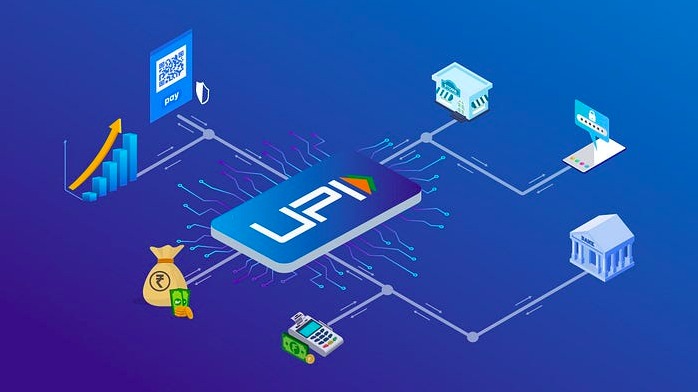
India and Indonesia have officially announced the integration of India’s UPI with Indonesia’s QRIS payment system. This strategic digital partnership, unveiled during Prime Minister Modi’s July 2026 visit to Jakarta, aims to streamline cross-border payments for tourists and businesses, fostering deeper economic ties and shared digital growth.
The strategic integration of India’s Unified Payments Interface with Indonesia’s Quick Response Code Indonesian Standard is set to simplify cross-border transactions for millions of travelers and businesses.
JAKARTA, Indonesia — Prime Minister Narendra Modi and Indonesian President Prabowo Subianto announced a landmark agreement to integrate India’s Unified Payments Interface (UPI) with Indonesia’s Quick Response Code Indonesian Standard (QRIS). The announcement, made during the Prime Minister’s state visit to Jakarta on July 7, 2026, marks a significant step in enhancing financial connectivity between the two nations.
The integration aims to facilitate seamless, real-time digital payments, allowing Indian tourists and business travelers to conduct transactions in Indonesia by scanning local QR codes directly through their existing Indian banking applications. This move is expected to drastically reduce the reliance on traditional currency exchange and card-based payment systems, which often involve high fees and processing delays.
A New Era of Digital Cooperation
The UPI-QRIS linkage is part of a broader "golden chapter" in the bilateral relationship between New Delhi and Jakarta. Beyond simple cross-border payments, Indonesia is leveraging India’s successful Digital Public Infrastructure (DPI) model to build its own sovereign digital ecosystem.
According to government officials, Indonesia’s ambitions extend beyond mere integration; the nation is actively studying India's success with flagship initiatives like the Open Network for Digital Commerce (ONDC) and various digital governance platforms. This collaboration is designed to create an interoperable regional payment network that could eventually be expanded across the ASEAN (Association of Southeast Asian Nations) bloc.
Impact on Tourism and Bilateral Trade
For the estimated 1.7 million Indian tourists who visit Indonesia annually—a significant portion of whom travel to Bali—the UPI-QRIS integration will provide a seamless and secure digital payment experience. By enabling instant transactions, the partnership is expected to boost bilateral trade and tourism, as merchants in Indonesia will gain the ability to accept payments directly from Indian accounts without requiring international card networks.
"According to official statements, the integration will boost both the ease of doing business and the ease of travel between the two nations," said a spokesperson during the joint press conference. The development is seen as a tangible outcome of the growing technological synergy between India and Indonesia, which also encompasses collaboration in critical minerals, steel production, and maritime infrastructure.
Official Sources and Implementation
The agreement was formalized during high-level bilateral talks at the Istana Merdeka. While the technical rollout for the UPI-QRIS linkage is currently underway, the initiative is supported by the regulatory frameworks of both the Reserve Bank of India (RBI) and the Bank Indonesia.
The collaboration is not limited to payments; India is also assisting Indonesia in developing the "Indonesia Open Network" (ION), an open commerce platform inspired by India’s ONDC. This move signals a deeper commitment to fostering a resilient, interoperable digital economy that aligns with both countries' long-term development goals.
Why It Matters
The integration of UPI with Indonesia’s payment system is a practical implication of India's "Digital Public Infrastructure" export strategy. For the global financial landscape, it demonstrates the scalability of India's homegrown technology in emerging markets. For the average citizen, the primary benefit is the reduction of transaction costs and the removal of the need to carry physical currency or rely on international credit cards when traveling abroad.
Key Facts at a Glance
Strategic Linkage: India’s Unified Payments Interface (UPI) is being integrated with Indonesia’s Quick Response Code Indonesian Standard (QRIS).
Primary Benefit: Enables seamless, real-time cross-border payments for tourists and businesses via QR scanning.
Target Audience: Benefits the 1.7 million Indian visitors to Indonesia annually and facilitates easier B2B trade.
Broader Vision: Indonesia is utilizing India’s DPI model to build its own sovereign digital commerce network (ION).
Diplomatic Milestone: The announcement is a key outcome of PM Modi’s July 2026 state visit to Jakarta.
Frequently Asked Questions (FAQ)
How will UPI work in Indonesia?
Once fully integrated, Indian users will be able to scan Indonesian QRIS codes using their existing UPI-enabled banking apps to complete payments in Indonesian Rupiah, with funds debited directly from their Indian bank accounts.
Why is this important for travelers?
It eliminates the need for expensive currency exchange services and foreign transaction fees on traditional credit cards, offering a faster and cheaper way to pay in Indonesia.
Is this part of a larger digital agreement?
Yes, it is part of a broader cooperation effort where Indonesia is adopting India’s successful digital public policy models to build its own national digital infrastructure.
Source: Ministry of External Affairs (India), The Economic Times, Times of India