In a world increasingly shaped by protectionism and deglobalisation, the Indian government has reiterated its commitment to sustaining high growth through a sharp focus on domestic economic drivers. With global trade dynamics shifting and traditional export-led models facing headwinds, India is r...
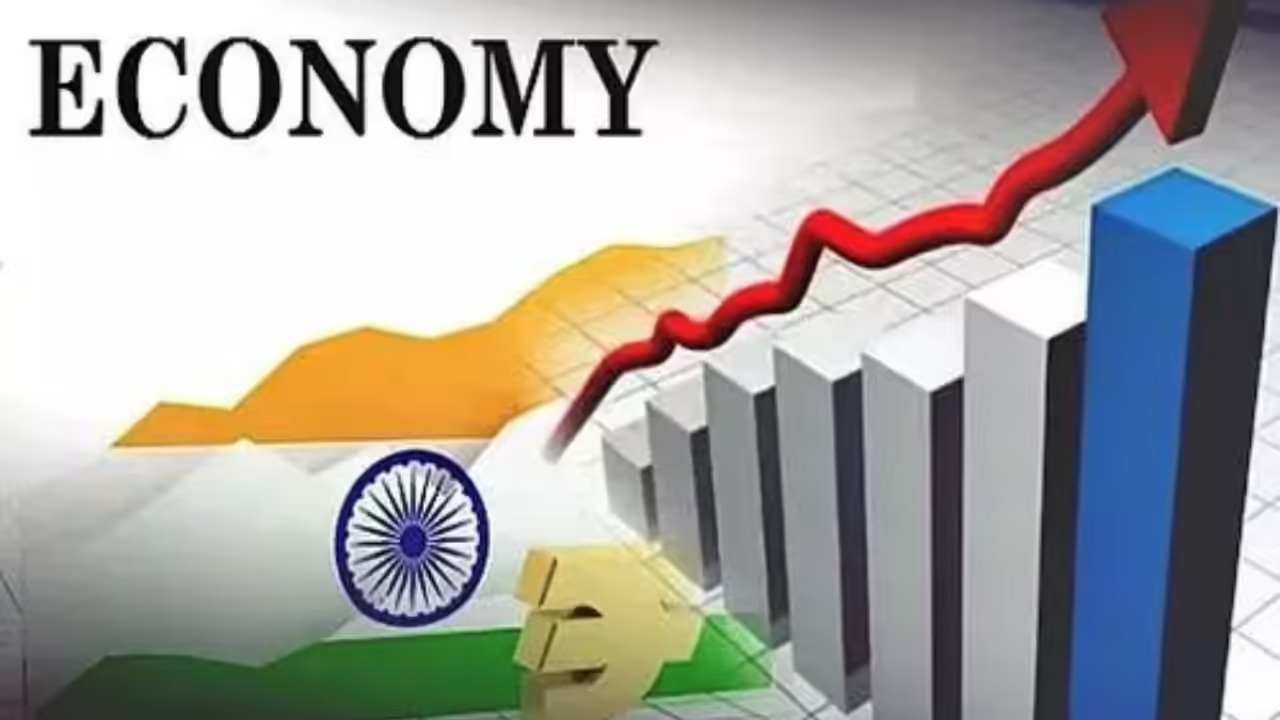
In a world increasingly shaped by protectionism and deglobalisation, the Indian government has reiterated its commitment to sustaining high growth through a sharp focus on domestic economic drivers. With global trade dynamics shifting and traditional export-led models facing headwinds, India is recalibrating its strategy to prioritize deregulation, infrastructure investment, and self-reliance.
Here’s a detailed look at the government’s stance and its broader implications:
Strategic Shift in Response to Global Trends
The global economic landscape is undergoing a transformation marked by rising trade barriers, reshoring of industries, and geopolitical decoupling. India’s response is rooted in resilience and recalibration.
1. Protectionism is gaining traction globally, with developed economies adopting tariffs, subsidies, and localization mandates to shield domestic industries
2. Deglobalisation trends, including supply chain diversification and digital sovereignty, are challenging traditional export models
3. India’s strategy aims to balance global competitiveness with domestic capacity building, avoiding reactionary protectionism while strengthening internal growth engines
Key Highlights From the Government’s Statement
- Sustaining 7–8 percent GDP growth requires a pivot toward domestic consumption, investment, and innovation
- The government remains committed to deregulation across sectors, reducing bureaucratic friction and enabling private enterprise
- Infrastructure investment is central to the growth strategy, with continued emphasis on roads, railways, ports, and digital connectivity
Focus on Domestic Growth Drivers
India’s growth blueprint is anchored in several key domestic levers that are expected to drive long-term economic expansion:
1. Infrastructure development: The National Infrastructure Pipeline and PM Gati Shakti initiatives aim to unlock logistics efficiencies and regional connectivity
2. Manufacturing push: Schemes like Production Linked Incentives (PLI) are designed to boost domestic manufacturing across electronics, textiles, and pharmaceuticals
3. Financial inclusion: Digital public infrastructure such as UPI and Aadhaar is expanding access to banking, credit, and welfare services
4. MSME support: Credit facilitation, skill development, and market access programs are strengthening the backbone of India’s employment ecosystem
Implications of Protectionism for India
The rise of protectionist policies globally presents both challenges and opportunities for India:
- Export competitiveness: Tariffs and subsidies in developed markets can disadvantage Indian goods, especially in textiles, chemicals, and clean energy
- Supply chain vulnerabilities: Overdependence on imports for critical components like semiconductors and electronics poses strategic risks
- Trade negotiations: India must recalibrate its free trade agreements to secure better market access and protect domestic interests
- Strategic autonomy: The push for self-reliance under Atmanirbhar Bharat is gaining urgency, with emphasis on indigenous capabilities and reduced import dependency
Deregulation and Investment-Led Growth
The government’s emphasis on deregulation is aimed at unlocking private sector potential and attracting investment:
- Labour reforms and ease-of-doing-business initiatives are simplifying compliance and reducing transaction costs
- FDI liberalization in sectors like defence, insurance, and retail is expanding capital inflows and technology transfer
- Public-private partnerships are being leveraged to accelerate infrastructure rollout and service delivery
Outlook and Policy Continuity
India’s economic strategy is expected to remain focused on:
1. Enhancing domestic competitiveness through innovation, skilling, and technology adoption
2. Deepening infrastructure investment to support urbanization, industrialization, and rural development
3. Maintaining macroeconomic stability through prudent fiscal management and inflation control
4. Strengthening global engagement through calibrated trade diplomacy and strategic alliances
Conclusion
In an era defined by protectionism and deglobalisation, India is charting a path that prioritizes domestic resilience, deregulation, and infrastructure-led growth. The government’s reaffirmation of this strategy underscores its intent to sustain 7–8 percent GDP growth while navigating global uncertainties. As the world economy continues to fragment, India’s focus on internal strength and strategic autonomy may well define its next phase of development.
Sources: BSE India, PMF IAS, Drishti IAS, SuperKalam Current Affairs