India’s wholesale inflation climbed to 9.68% in May 2026, fueled by a 30.33% increase in the fuel and power index. The data reflects the ongoing impact of global energy prices on domestic industrial costs. Policymakers and market analysts are now assessing how these rising factory-gate pressures will influence broader economic stability.
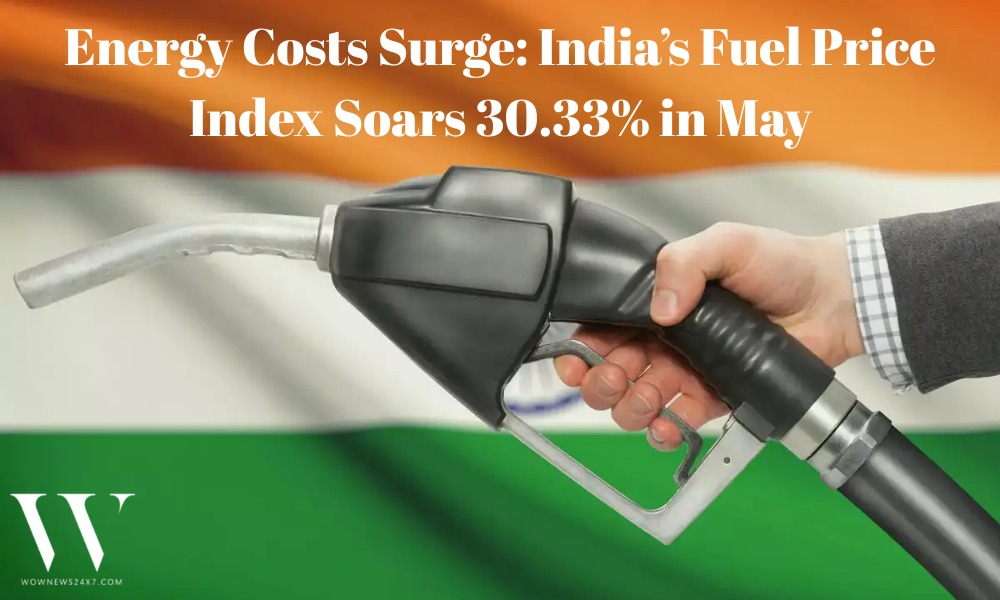
India’s wholesale inflation rose to 9.68% in May 2026, driven by a sharp 30.33% year-on-year surge in the fuel and power index, according to data released on Monday by the Ministry of Commerce and Industry. The latest Wholesale Price Index (WPI) figures reflect the persistent impact of global energy volatility and the ongoing economic fallout from regional conflicts in West Asia.
The data, which marks a significant increase from the 8.3% inflation rate recorded in April, underscores the vulnerability of India’s factory-gate prices to international crude oil fluctuations. This development is particularly important today as businesses grapple with balancing higher input costs against consumer demand in a tightening economic environment.
Energy Volatility and Industrial Pressure
The 30.33% climb in the fuel and power index serves as the primary catalyst for the overall rise in wholesale inflation. According to reports from the Office of the Economic Adviser, the sustained elevation in crude oil costs—exacerbated by geopolitical tensions—has triggered a rapid pass-through of energy expenses to the wholesale sector.
While the government recently transitioned to a new 2022-23 base year series for the WPI to improve accuracy, the current inflationary trend remains clear. Industrial producers, particularly in the manufacturing and transport-heavy sectors, are reporting that the spike in fuel prices is compressing profit margins. Because energy represents a substantial portion of production and logistics costs, the current climate is forcing many firms to re-evaluate their pricing strategies to maintain viability.
Impact on Stakeholders
The implications of this data extend across the economy:
For Businesses: Manufacturers are under intense pressure to absorb costs or pass them to consumers. Industry analysts note that organized players with fuel pass-through clauses are better positioned to weather the volatility compared to smaller, unorganized enterprises.
For Investors: The surge in wholesale inflation is being closely monitored by the financial markets, as it influences expectations for interest rate trajectories and corporate earnings performance in the coming quarters.
For the Government: Policymakers are navigating the need to support domestic industrial growth while containing inflationary expectations. The government continues to utilize tools like excise duty management to cushion the impact on the broader economy.
"According to officials, the rise in the fuel and power index remains the most significant contributor to current wholesale inflation trends," the ministry stated in its latest briefing. "The government continues to monitor international commodity markets and their transmission into domestic price indices."
Why It Matters
The current wholesale price environment highlights the sensitivity of India’s industrial base to global energy shocks. With wholesale inflation now nearing the 10% threshold, the gap between wholesale price increases and consumer-level inflation is widening. For the average citizen, while wholesale inflation does not translate immediately to retail store prices, the sustained trend suggests that the cost of manufactured goods—including electronics, home appliances, and packaged goods—could face upward pressure in the near term.
Key Facts at a Glance
Overall WPI Inflation: Accelerated to 9.68% in May 2026.
Fuel & Power Index: Surged by 30.33% year-on-year, the primary driver of the index spike.
Data Source: Published by the Ministry of Commerce and Industry (Office of the Economic Adviser).
Comparative Context: The previous month’s (April) inflation rate stood at 8.3%.
Drivers: Elevated crude oil prices and continued regional instability in West Asia.
FAQ
What is the WPI, and why does it matter?
The Wholesale Price Index (WPI) measures the change in the prices of goods sold in bulk by wholesale businesses to other businesses. It is a key indicator of industrial health and factory-gate price pressures.
Will this cause retail prices to rise immediately?
Not necessarily. While high wholesale inflation indicates rising production costs, businesses may choose to absorb some costs to maintain market share. However, sustained high WPI often leads to eventual retail price hikes.
How does this differ from the Consumer Price Index (CPI)?
While WPI tracks prices at the producer/wholesale level, CPI measures the prices paid by consumers for goods and services. The two often move in different directions or at different speeds.
Source: Ministry of Commerce and Industry, Office of the Economic Adviser, Department for Promotion of Industry and Internal Trade