




Loading market data...
ADVERTISEMENT

Latest Top News
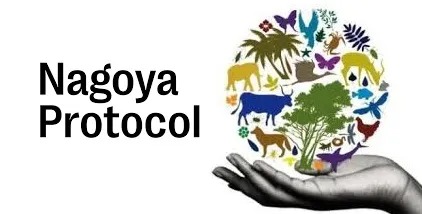
India Leads Global Compliance In Genetic Resources Under Nagoya Protocol
India has taken the top spot globally in implementing the Nagoya Protocol on Access and Benefit-Sharing (ABS). With more than 56% of IRCCs issued worldwide, the country has demonstrated strong compliance, reinforcing its role as a key player in biodiversity governance and sustainable use of genetic resources.
Stay Ahead – Explore Now! Sky-High Milestone: Inside the Historic Flight of India's Own Airbus C-295
ADVERTISEMENT

Latest Updates

Mercedes-Benz India Steers Past Headwinds to Fuel...
15 Jun 2026, 11:45 PM
Sanon’s Andheri Asset Action: Family Bags ₹4.6 Cr...
15 Jun 2026, 11:42 PM
Banking on Trust: RBI Bans Coercive Bundling and A...
15 Jun 2026, 11:39 PM
AI Over the Hill: Gemini Picks Winner in Summer Tr...
15 Jun 2026, 11:36 PM
Track to Uttarakhand: Namo Bharat Expansion Nears...
15 Jun 2026, 10:18 PMADVERTISEMENT

Top Stories
Mercedes-Benz India Steers Past Headwinds to Fuel...
15 Jun 2026, 11:45 PM
Sanon’s Andheri Asset Action: Family Bags ₹4.6 Cr...
15 Jun 2026, 11:42 PM
Banking on Trust: RBI Bans Coercive Bundling and A...
15 Jun 2026, 11:39 PM