India has lifted emergency natural gas supply restrictions effective July 4, 2026, following the resumption of LNG shipments through the Strait of Hormuz. The move ends four months of government-mandated allocation for critical sectors, marking a return to normal energy distribution as regional shipping lanes stabilize after a months-long conflict.
The government has withdrawn emergency natural gas regulations as international shipping lanes stabilize, signaling a return to normal energy distribution.
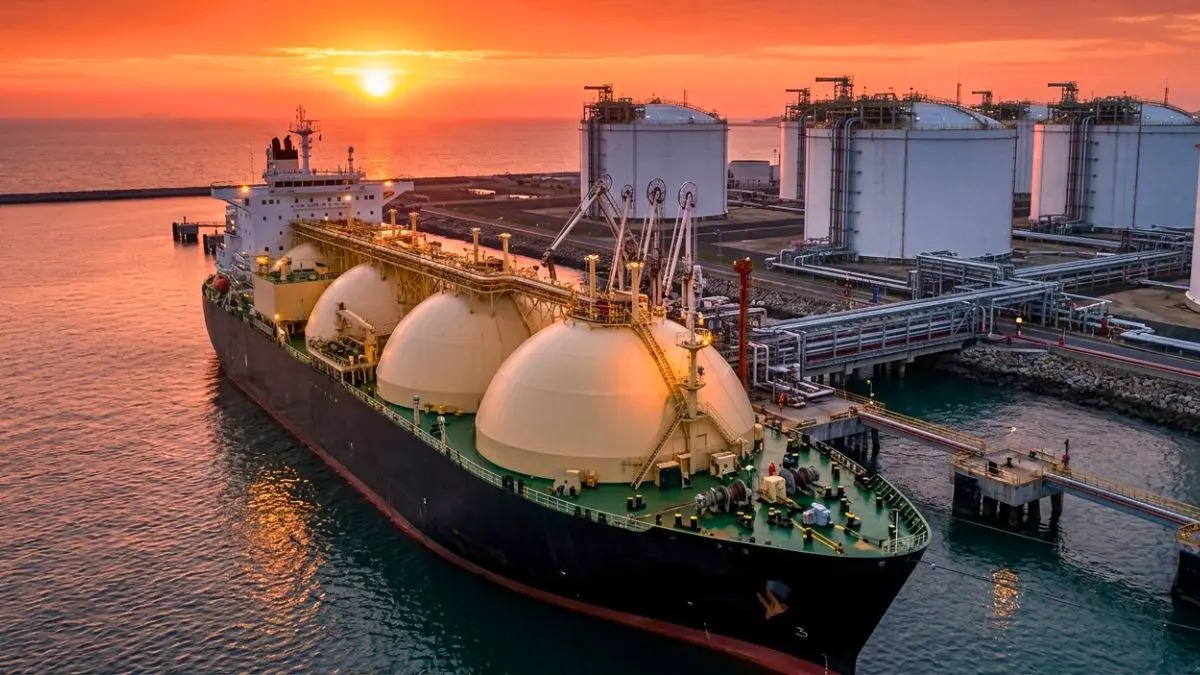
NEW DELHI — The Indian government officially lifted emergency restrictions on natural gas allocation and usage on Saturday, July 4, 2026, marking a significant step toward domestic energy stabilization. The move follows the resumption of liquefied natural gas (LNG) shipments through the strategic Strait of Hormuz, a critical maritime route that had been severely disrupted by conflict in the Middle East earlier this year.
The reversal of the Natural Gas (Supply Regulation) Order, 2026, effectively terminates the emergency powers invoked on March 9, 2026. These measures had empowered the Ministry of Petroleum and Natural Gas to prioritize gas distribution to essential sectors and restrict supply to non-critical users to maintain national energy security during a period of acute supply volatility.
Restoration of Supply Chains
The disruption of LNG shipments through the Strait of Hormuz—the world’s most important oil and gas chokepoint—had forced suppliers to declare force majeure and necessitated a government-directed allocation mechanism to prevent widespread shortages. According to an official government notification, the ongoing ceasefire in the Middle East and the subsequent reopening of sea traffic in the Strait have allowed international energy markets to recalibrate.
"The conflict that resulted in the disruption of LNG shipments has been subject to a ceasefire, and sea traffic through the Strait of Hormuz has been permitted to resume," the Ministry stated in its amendment order. The withdrawal of the emergency controls comes as a welcome relief to industrial and commercial sectors that had been operating under restricted supply quotas for nearly four months.
Impact on Industry and Consumers
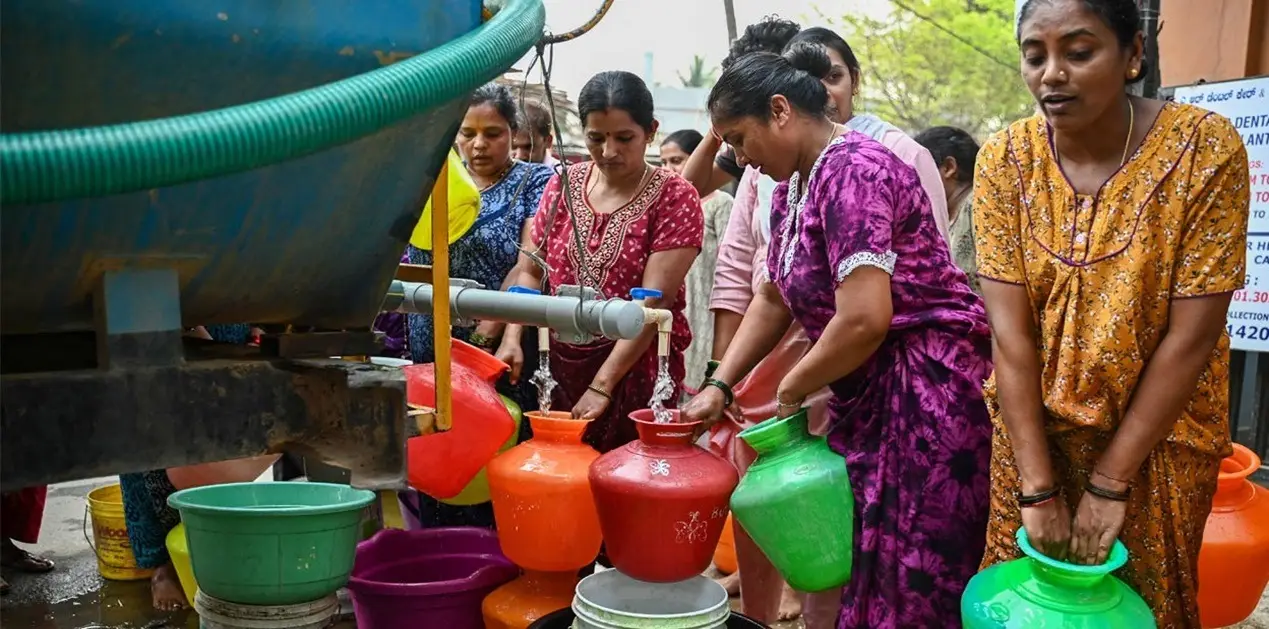
The lifting of these curbs is expected to ease the pressure on India’s power generation, fertilizer, and city gas distribution sectors. During the peak of the crisis, the government had been forced to reroute limited gas supplies to ensure that essential services—such as residential cooking gas and hospital power grids—remained operational.
Businesses that rely on natural gas as a feedstock or energy source can now resume normal operations without the limitations imposed by the emergency allocation orders. For the average citizen, the stabilization of the supply chain reduces the risk of energy shortages and helps dampen the inflationary pressures that had built up in the domestic energy market during the peak of the Middle Eastern crisis.
Official Sources
The decision to withdraw the emergency supply controls was announced via an official government notification released on Saturday, July 4, 2026. The Ministry of Petroleum and Natural Gas confirmed that the amendment, known as the Natural Gas (Supply Regulation) (Amendment) Order, 2026, came into force immediately upon its publication in the Official Gazette.
Why It Matters
The return of LNG shipments through the Strait of Hormuz is vital for India, which imports a significant portion of its natural gas from the Middle East. By lifting these restrictions, the government is essentially declaring that the "system-wide shock" to the energy sector, which had persisted since March, is now under control. This restoration of market-based distribution is expected to provide greater predictability for investors and industrial planners who had been navigating highly volatile energy supply chains throughout the first half of 2026.
Key Facts at a Glance
Normalization: Emergency regulations governing natural gas distribution have been officially withdrawn as of July 4, 2026.
Root Cause: The crisis was triggered by the disruption of LNG shipments through the Strait of Hormuz due to regional conflict.
Government Action: The March 9, 2026, Natural Gas (Supply Regulation) Order was replaced by an amendment that returns allocation power to the market.
Strategic Relief: The reopening of the Strait of Hormuz allows for the resumption of pre-conflict LNG cargo schedules, stabilizing supply for power plants and fertilizer manufacturers.
FAQ
Why were the natural gas restrictions originally imposed?
The government imposed emergency controls in March 2026 to prioritize gas distribution for essential users after regional conflict in the Middle East disrupted LNG shipments through the Strait of Hormuz.
What does the lifting of these curbs mean for industries?
Industrial, commercial, and institutional consumers can now source natural gas according to their normal contractual arrangements without the government-directed allocation quotas that were in place during the crisis.
Is the energy supply chain completely back to normal?
While the regulatory curbs have been lifted, the government and energy analysts note that global markets are still adjusting to the reopening of the Strait of Hormuz, with some ongoing monitoring of regional tensions.
Source: Ministry of Petroleum and Natural Gas (India), The Economic Times, Financial Express