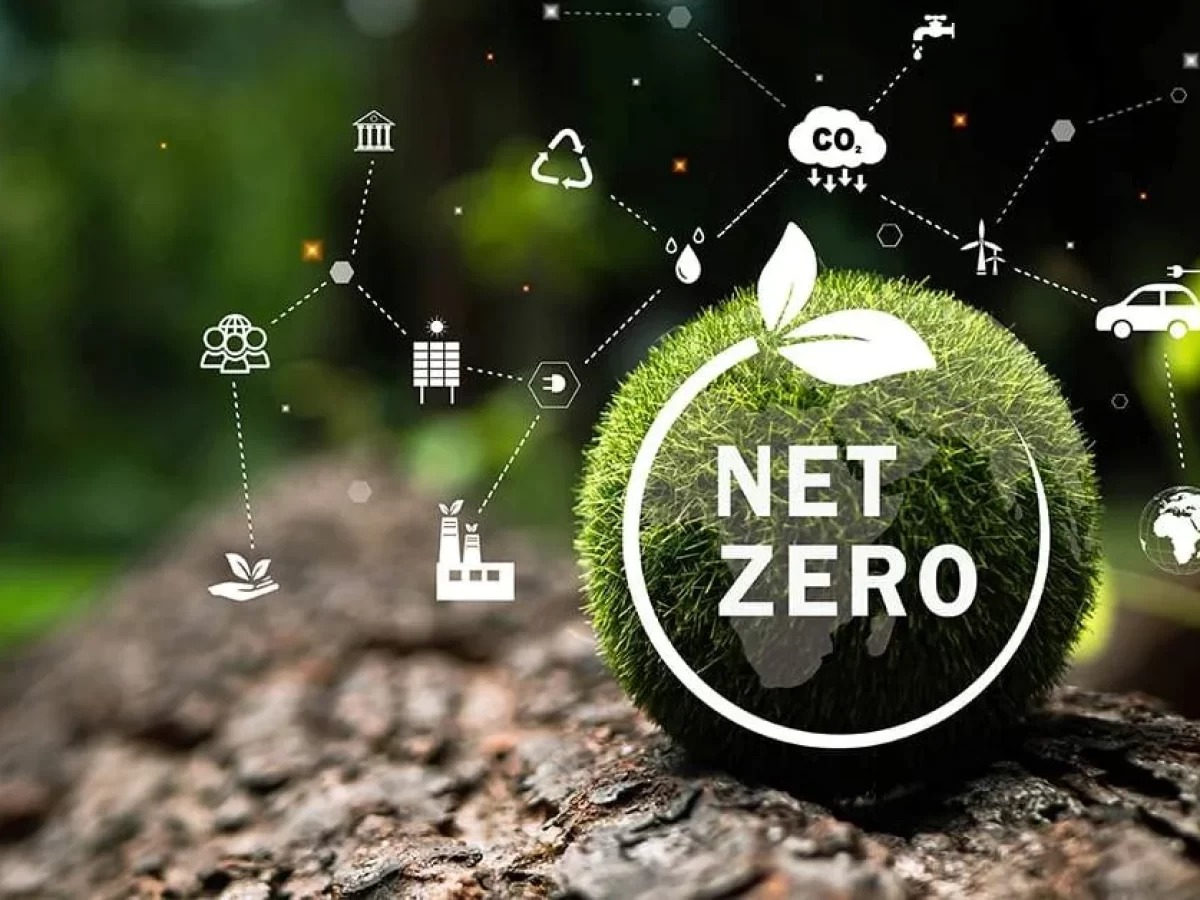
India is rapidly accelerating its nuclear energy infrastructure to secure atomic energy self-reliance and fulfill its 2070 net-zero climate commitments. According to Parliamentary panel updates, the long-term strategy involves expanding thorium-based fuel cycles alongside new global uranium supply partnerships with Australia.
NEW DELHI, INDIA — In a major legislative push toward transforming India’s clean energy architecture, the Parliamentary Standing Committee on Science and Technology, Environment, Forests and Climate Change has formally outlined an updated, multi-front blueprint targeting long-term self-reliance in atomic energy. The strategy positions nuclear power as a vital, high-capacity base-load alternative to accelerate India’s transition away from fossil-fuel-dependent generation matrices.
The legislative review comes as India works to balance sharp industrial power requirements with its international climate pledges. The Parliamentary panel reviewed structural roadmaps submitted by the Department of Atomic Energy (DAE) and the Nuclear Power Corporation of India Limited (NPCIL) to resolve persistent raw material shortages and establish aggressive capacity-building timelines.
Strategic Shift Toward Thorium and New Uranium Supply Lines
During a high-level committee review session, lawmakers evaluated detailed operational reports regarding the country’s existing network of commercial power reactors. A primary focus of the legislative consultation centered on navigating long-standing domestic uranium supply constraints.
According to proceedings from the Rajya Sabha Secretariat, India’s long-term nuclear independence will rely heavily on leveraging its massive domestic thorium reserves. This strategy aligns directly with the second and third stages of the nation’s indigenously designed three-stage nuclear power program, which was significantly advanced by the historic criticality milestone of the Prototype Fast Breeder Reactor (PFBR) at Kalpakkam.
However, because transitioning to a thorium-heavy cycle requires extensive technical phases, the panel emphasized the need for new international bilateral import agreements to supply immediate operational requirements.
The committee confirmed that Australia will fully support India’s near-term energy grid by delivering steady commercial shipments of raw uranium. This partnership provides immediate resource security while domestic scientists scale up next-generation technical configurations.
Capital Inflow and Clean Energy Integration
The aggressive expansion of atomic power is being coordinated alongside a parallel rollout of large-scale solar power arrays. To achieve India's targeted goal of net-zero carbon emissions by 2070, the government has authorized enhanced capital allocations specifically aimed at backing domestic research and development (R&D) within the scientific sector.
This funding environment follows the introduction of updated legislative frameworks processed via the Ministry of Law and Justice, which are designed to modernize civil nuclear regulations, optimize technology transfers, and potentially open non-core manufacturing brackets to wider public-private joint ventures.
The integration of high-yield atomic baseloads with variable solar grids is expected to mitigate seasonal generation volatility, allowing industrial zones to scale down their historical dependence on coal-fired thermal facilities.
Official Sources Section
The operational declarations, international uranium partnership updates, and legislative reviews are compiled from official briefings issued by the Rajya Sabha Secretariat and detailed transaction reports authorized by the Department of Atomic Energy (DAE). Statutory updates are cross-referenced with public records managed by the Ministry of Law and Justice.
Quote Section
Following the conclusion of the parliamentary review session, Dr. Medha Vishram Kulkarni, Chairperson of the Parliamentary Standing Committee on Science and Technology, Environment, Forests and Climate Change, stated:
"Today, the Science and Technology Committee held a very productive meeting. Discussions focused on nuclear science, specifically atomic energy, covering India's current work, the number of operational reactors, and future plans. To address current challenges such as fuel issues, availability constraints, and high carbon emissions work is underway on multiple fronts, particularly expanding both solar and nuclear energy capacities."
Why It Matters
For citizens and local urban consumers, a reliable nuclear baseload guarantees long-term energy grid stability and limits the sharp retail electricity price spikes often caused by volatile international fossil fuel markets. For heavy industries and manufacturing companies, clean atomic energy provides a steady path to lower corporate carbon footprints, ensuring compliance with tightening global green trade rules. Additionally, for international technology partners and global investors, India’s clear commitment to regulatory updates and diverse supply lines opens major opportunities for long-term collaborations in advanced green technology.
Key Facts at a Glance
Climate Target Alignment: The scale-up of atomic energy forms the core of India’s updated strategy to meet its net-zero emissions deadline by 2070.
Resource Diversification: The long-term blueprint leverages India’s vast thorium reserves to overcome traditional uranium supply limits.
Global Supply Security: Secure bilateral agreements have been established to import uranium from international partners, including full support from Australia.
Enhanced Funding Inflow: The government is increasing capital allocations for scientific R&D to accelerate next-generation reactor development.
FAQ Section
Why is atomic energy prioritized alongside solar power to reach net-zero goals?
While solar power offers highly scalable and cost-effective renewable capacity, it is limited by weather dependencies. Nuclear energy provides a stable, high-capacity baseline supply that can run continuously, helping replace aging coal plants without risking grid blackouts.
How do India’s thorium reserves help it achieve energy self-reliance?
India holds some of the world's largest deposits of thorium. By developing advanced fast breeder and advanced heavy water reactors, the country can use thorium as a primary fuel source, freeing its domestic nuclear program from a historical reliance on imported uranium.
Are the details of the specific reactor expansion timelines publicly available?
The general strategy for capacity expansion is clear, but specific operational deployment details, internal fuel yields, and localized enrichment data remain confidential under parliamentary committee safety rules.
Source: Rajya Sabha Secretariat; Department of Atomic Energy (DAE); Ministry of Law and Justice; Nuclear Power Corporation of India Limited (NPCIL) Corporate Records.