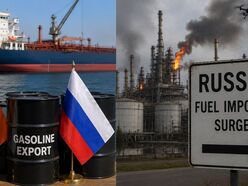
A sharp downturn in Russian refining output caused by Ukrainian drone attacks pushed Moscow to import a record 172,000 tonnes of petroleum products in August 2026. India supplied 70% of these imports, returning Russian crude refined at Nayara Energy’s Gujarat facility back to Russia through Arctic maritime routes.
NEW DELHI — India supplied 70% of Russia's refined oil-product imports in August 2026, marking an unprecedented turn in bilateral energy flows as persistent Ukrainian drone strikes disrupted Moscow's domestic refining capacity, according to data released by the Centre for Research on Energy and Clean Air (CREA). This development highlights how deep structural damage to Russian infrastructure has forced the world's major crude exporter to import finished fuels refined overseas from its own crude.
Refinery Disruptions Drive Surge in Russian Fuel Purchases
Russia imported an all-time monthly high of 172,000 tonnes of oil products valued at €114 million in August. That figure stands more than seven times higher than its previous monthly peak and exceeds three times the total volume Moscow imported across the entirety of 2025.
The shift was driven primarily by an acute shortage of motor vehicle fuel. Gasoline accounted for 74% of Russia's total refined imports during August, compared with a historical baseline average of just 6% between 2023 and 2025.
According to CREA’s trade tracking data, India supplied 94% of Russia's imported motor fuel, delivering 120,000 tonnes of gasoline valued at €78 million. All shipments originated from the Vadinar refinery located in Gujarat, which is operated by Nayara Energy.
Russian state-backed energy titan Rosneft owns a 49.13% stake in Nayara Energy, and the Vadinar facility sourced 100% of its intake crude from Russian terminals over the first eight months of 2026, up from 81% in 2025.
Complex Logistics and Dark Fleet Tanker Routes
The delivery chain utilized complex maritime routes to navigate international restrictions. CREA reported that each cargo leaving Vadinar underwent a mid-voyage ship-to-ship transfer off the coast of Egypt before continuing north to discharge at Russia's Arctic port of Beloe More.
All six commercial tankers identified in the transport were subject to Western sanctions, and four had operated under false maritime flags within the past 24 months, the monitoring group noted.
Beyond India's supplies, Egypt exported 25,000 tonnes of diesel valued at €16 million, while South Korea delivered 18,000 tonnes of gasoil to Russian buyers in August.
Domestic Output Collapses Amid Black Sea Outages
The import surge coincides with a precipitous decline in Russia's own refined oil exports. Russian seaborne oil-product export volumes dropped 21% month-on-month in August, with unloaded export revenues tumbling 32% to €78 million per day—the lowest revenue level recorded since early 2022. Overall product loadings from domestic ports fell for the third straight month, dropping to less than half the volumes observed in August 2025.
Key export infrastructure has faced severe bottlenecks. The Black Sea port of Tuapse, previously Russia's fourth-largest terminal for refined petroleum, reported zero product loadings for the third consecutive month following repeated drone impacts. At the primary crude export hub of Novorossiysk, seaborne loadings fell 58% month-on-month after marine operations were completely halted for nine consecutive days.
Official Sources
Trade flows, shipping itineraries, and financial valuations were documented in the monthly fossil-fuel sanctions compliance and export analysis published by the Centre for Research on Energy and Clean Air (CREA). Vessel tracking and port operations data were verified through maritime AIS records and shipping manifest databases compiled by international supply-chain monitors.
Quotes
"Russia is therefore paying a refinery that it partly owns to process its own crude into fuel it can no longer produce domestically, before shipping it back halfway around the world," the Centre for Research on Energy and Clean Air stated in its monthly analysis.
According to industry shipping officials, the reliance on high-seas transshipment hubs off North Africa reflects continuing efforts to manage freight logistics while moving products between Asia and Arctic discharge terminals.
Why It Matters
The development shows how vulnerable Russia's downstream processing capacity has become under sustained military strikes, converting an energy superpower into a net buyer of finished fuels. For global energy markets, this circular route ties Indian refining margins directly to Russian domestic supply stability, while forcing Moscow to pay elevated transport premiums to keep retail filling stations supplied.
Key Facts at a Glance
Market Share: India accounted for 70% of Russia's total oil-product imports and 94% of its imported gasoline in August.
Import Volumes: Russia imported 172,000 tonnes of oil products (€114 million), a record figure exceeding its total imports for all of 2025.
Refining Source: All 120,000 tonnes of Indian gasoline were refined at Nayara Energy's Vadinar plant, which operates on 100% Russian crude.
Domestic Crunch: Russian refined exports fell 21% by volume, while key export terminals such as Tuapse remained offline.
Frequently Asked Questions
Why is Russia importing refined fuel from India?
Ukrainian drone strikes have heavily damaged domestic Russian refineries, causing local fuel shortages and forcing Moscow to import finished petroleum products to stabilize domestic inventories.
Where was the fuel refined?
The gasoline was processed at Nayara Energy's refinery in Vadinar, Gujarat. Nayara is 49.13% owned by Russia's state-controlled oil major Rosneft.
How are the fuel shipments transported to Russia?
Cargoes are moved from India on sanctioned tankers, transferred ship-to-ship off the coast of Egypt, and discharged at Beloe More in northern Russia.
Source: Centre for Research on Energy and Clean Air (CREA), Ministry of Commerce and Industry (India), and maritime tracking data via Kpler.