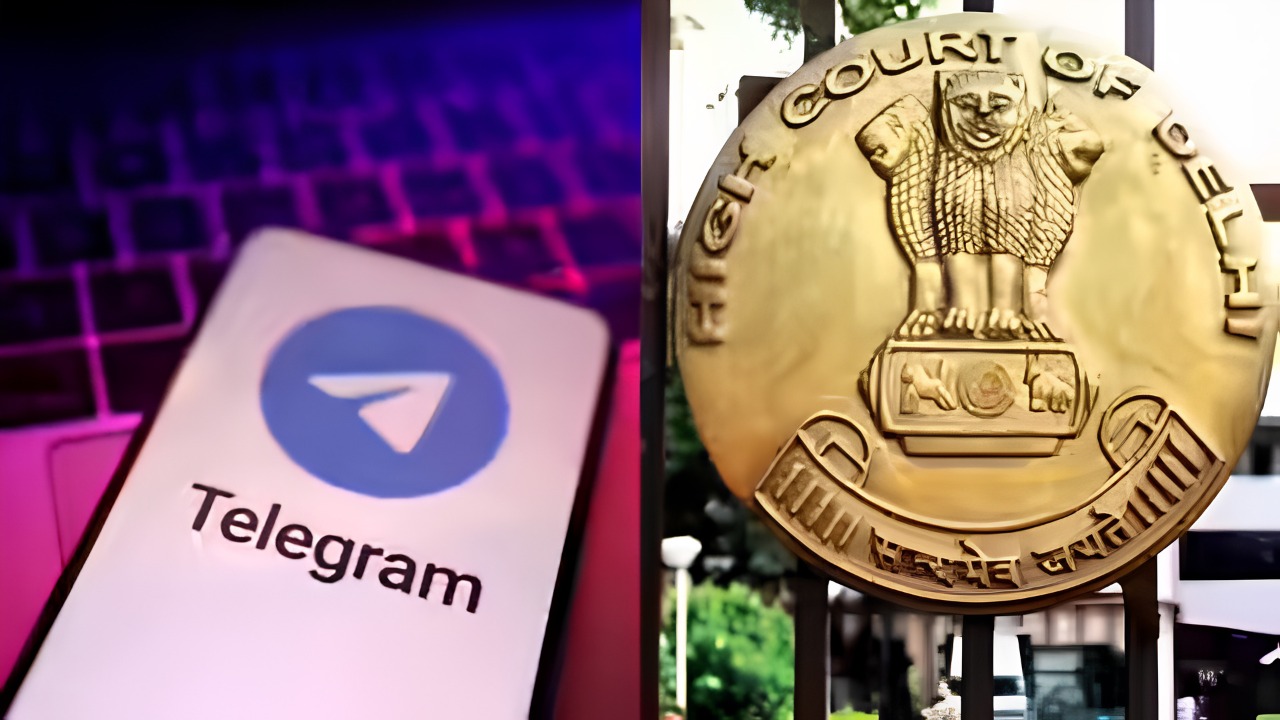
An Indian high court has rejected Telegram's appeal against a temporary nationwide block, ruling that the government followed proper legal procedures under Section 69A of the IT Act. The court validated the restriction as a reasoned national security measure after the platform failed to assist law enforcement in tracking down financial fraud and digital data leaks.
NEW DELHI — In a major regulatory development for international social media platforms, an Indian high court has officially rejected Telegram’s appeal against the temporary blocking of the app in the country. Delivering its highly anticipated judgment on Friday, June 19, 2026, the two-judge bench ruled that the federal block commands issued by the government are fully reasoned orders. The court verified that the Ministry of Electronics and Information Technology (MeitY) strictly followed all established statutory rules and procedures, prioritizing national security parameters and law enforcement coordination over corporate operational continuity.
High Court Validates Government Compliance and Procedures
The legal dispute reached the division bench after Dubai-headquartered Telegram FZ-LLC filed an emergency writ petition challenging an interim blocking order issued under Section 69A of the Information Technology (IT) Act. The technology platform argued that the sudden nationwide restriction violated its constitutional rights to conduct business and severely impacted its user base without giving the firm an adequate preliminary hearing.
Dismissing these claims, the high court noted that the state's actions were neither arbitrary nor rushed. The bench highlighted that the government followed proper procedures, including a formal review by an emergency institutional committee and multiple notifications sent to the platform's compliance officers.
The court stated that when a technology platform repeatedly fails to address official law enforcement requests regarding criminal networks, the state has the clear authority to intervene to protect the public.
Investigating Criminal Vulnerabilities and Corporate Footprints
The structural background leading up to the absolute restriction of Telegram in India stems from an extensive, multi-agency investigation led by the Indian Cyber Crime Coordination Centre (I4C). Over the past year, law enforcement teams across multiple states flagged the encrypted messaging service as a primary digital channel for organized criminal operations, including:
Financial Fraud Networks: The distribution of deepfake videos and sophisticated phishing links targeting retail banking consumers.
Examination Material Leaks: The unauthorized sale and monetized propagation of state-level recruitment and academic testing papers.
Extortion and Illegal Trade: Automated bots facilitating corporate extortion schemes and the distribution of prohibited materials under anonymous handles.
While competitive applications like WhatsApp maintain local grievance officers inside New Delhi to actively address court mandates, Telegram's complex, cross-border corporate setup hindered immediate legal compliance. The company’s continued reluctance to share structural server metadata, IP tracking logs, or administrator identity nodes linked to specific underground channels created major hurdles for domestic law enforcement agencies tracking cybercriminals.
Massive Disruptions Face Digital Businesses and Consumers
The high court's refusal to lift the temporary blocking order has direct, immediate implications for India's massive digital ecosystem, where Telegram boasts an estimated user base exceeding 150 million active participants. Following the court order, local Internet Service Providers (ISPs) and telecom companies have implemented deep packet inspection (DPI) blocks, completely disrupting access to both the smartphone app and desktop web domains.
Online Education Hubs: Thousands of independent educators and coaching academies rely on Telegram's high-capacity channels to distribute study guides, lecture videos, and test series to millions of rural students.
Financial Market Traders: Regional stock market advisory groups and retail cryptocurrency trading communities use the app for real-time market discussions, forcing them to rapidly migrate to alternative platforms like Signal or Discord.
Content Creators: Digital media networks and independent developers use the platform's automated bot infrastructure to distribute files, which has been completely halted by the network block.
Official Sources Section
The statutory directives, legal clauses, and procedural histories detailed within this regulatory report are drawn from the final judgment sheets distributed by the High Court Registry and administrative notifications published by the Ministry of Electronics and Information Technology (MeitY). Case numbers, enforcement logs, and intermediate compliance briefs are cross-referenced against files archived by the Indian Cyber Crime Coordination Centre (I4C) under the Ministry of Home Affairs.
Quote Section
According to officials representing the central government's legal counsel during the final chamber hearings:
"The high court's decision confirms that international technology entities cannot operate within a legal vacuum inside India. No platform can claim immunity under the guise of user privacy while actively allowing its infrastructure to host organized financial fraud, leak examination papers, and bypass verified law enforcement mandates. National security demands absolute administrative accountability."
Why It Matters
The court's refusal to overturn the temporary block marks a critical milestone in India's ongoing efforts to regulate major global tech companies. By prioritizing state security over platform accessibility, the ruling establishes a clear precedent: messaging apps must comply with local compliance rules and cooperate with law enforcement if they wish to access the country's massive digital market. This decision will likely force other encrypted communication platforms to re-evaluate their privacy structures and establish local corporate offices to avoid similar regulatory penalties.
Key Facts at a Glance
Legal Appeal Denied: India’s high court rejected Telegram's petition to lift the temporary nationwide block.
Procedural Validity: The bench ruled that the government followed proper administrative procedures and issued fully reasoned orders.
Security Concerns: The block was triggered by the platform's repeated failure to cooperate with law enforcement tracking financial fraud and test paper leaks.
Consumer Backlash: The enforcement leaves over 150 million Indian users, including online educators and traders, looking for alternative platforms.
FAQ Section
Is the current block on the Telegram application permanent or temporary?
The block remains temporary. However, the high court clarified that the restrictions will stay in place until Telegram complies with MeitY's directives and sets up reliable mechanisms to assist law enforcement.
Can individual users legally switch to alternative apps without violating encryption laws?
Yes. Moving to other platforms like Signal, WhatsApp, or Discord is completely legal. The court ruling only blocks Telegram's specific infrastructure due to its compliance failures.
How will this ruling impact other encrypted messaging platforms operating in India?
The judgment reinforces India's stance on digital compliance, signaling to all international technology brands that they must maintain active local grievance officers to address illegal activity on their networks.
Source: Official high court judgment registers, digital compliance enforcement orders, and cybersecurity logs distributed by MeitY and the Indian Cyber Crime Coordination Centre (I4C).