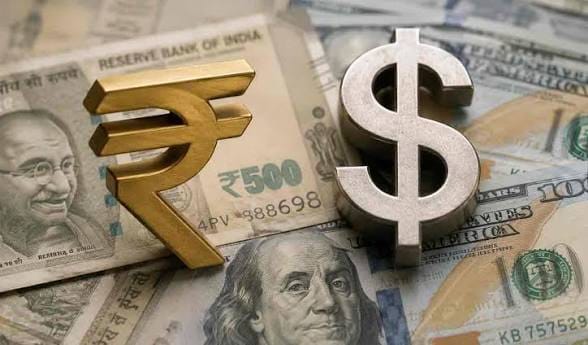
The Indian rupee opened down 0.2% at 95.79 per U.S. dollar, hitting a one-month low amid surging crude oil prices and heavy import demand. The Reserve Bank of India reportedly intervened by selling dollars to curb volatility, protecting the domestic currency against persistent external market pressures.
MUMBAI — The Indian rupee opened down 0.2% at 95.79 per U.S. dollar, dropping from its previous close of 95.55 to reach its weakest level in nearly one month. The depreciation comes as escalating energy import bills driven by high global crude oil prices weigh heavily on domestic currency valuations.
This market movement reflects persistent volatility across emerging market currencies as foreign portfolio outflows and widening trade deficits test local currency resilience. Financial market participants are closely monitoring central bank interventions to gauge how monetary authorities intend to manage persistent downward momentum.
Oil Market Strain and Interbank Foreign Exchange Dynamics
According to reports from interbank foreign exchange dealers, the domestic currency faced immediate selling pressure right at the opening bell, touching an intraday low of 95.79 per dollar. Analysts attribute the slide primarily to surging global crude oil prices, which have kept import bills elevated and increased dollar demand among domestic oil marketing companies and corporate importers.
Simultaneously, foreign institutional investors have maintained a cautious stance, registering capital outflows from domestic equities that further constrained the local unit. Interbank traders noted that the widening current account deficit concerns are amplifying near-term weakness, though the broader trend remains anchored by macroeconomic fundamentals and foreign reserve buffers.
Central Bank Intervention and Liquidity Measures
In response to the sharp downward slide, foreign exchange traders reported that the Reserve Bank of India stepped into the market by actively selling U.S. dollars to curb excessive volatility and limit the rupee's descent. Central bank intervention aims to smooth out sharp intraday fluctuations and maintain orderly market conditions.
Market participants have observed that while official liquidity buffers and substantial foreign exchange reserves provide a strong cushion against severe shocks, sustained global headwinds and persistent dollar demand continue to test these defensive thresholds.
Official Sources Section
Data, trading figures, and market observations cited in this report are sourced from official interbank foreign exchange market statements, dealer notifications, and regulatory disclosures published via the Reserve Bank of India and coordinated trading updates from the The Clearing Corporation of India Limited (CCIL).
Quote Section
According to officials, foreign exchange operations and liquidity management tools are deployed continuously to prevent disorderly market movements and safeguard domestic macroeconomic stability against external shocks.
Why It Matters
For businesses, consumers, and importers, a weakening rupee directly increases the cost of inbound shipments, particularly for vital commodities like crude oil, electronics, and industrial raw materials. This heightened import cost can feed into domestic inflationary pressures, influencing retail fuel pricing and consumer goods costs. Conversely, exporters may experience short-term margin expansions, though overall economic sentiment remains tied to energy security and exchange rate stability.
Key Facts at a Glance
Opening Rate: The Indian rupee opened down 0.2% at 95.79 per U.S. dollar.
Previous Close: The currency settled at 95.55 per dollar in the prior trading session.
Market Milestone: The rate marks the weakest level for the local currency in nearly one month.
Primary Pressure: Surging global crude oil prices and strong corporate dollar demand drove the decline.
FAQ Section
Why is the Indian rupee depreciating against the U.S. dollar?
The depreciation is driven by high global crude oil prices, which elevate India's import bill, alongside foreign portfolio capital outflows from domestic equities.
How does the Reserve Bank of India intervene in the forex market?
The Reserve Bank of India typically sells U.S. dollars from its foreign exchange reserves into the interbank market to absorb excess dollar demand and curb sharp downward spikes in the rupee.
How do weak exchange rates impact retail consumers?
A weaker rupee makes imported items—especially crude oil—more expensive, which can eventually translate to higher domestic fuel prices, transportation costs, and inflation for everyday consumer goods.
Where can investors track live foreign exchange rates in India?
Real-time currency quotes and official trading data are published through the Reserve Bank of India portal and authorized financial exchanges like the National Stock Exchange of India (NSE).
Source: Reserve Bank of India (RBI), The Clearing Corporation of India Limited (CCIL)