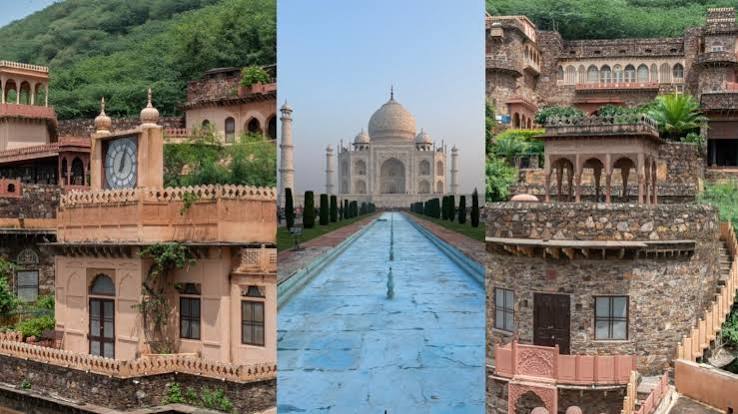
New Delhi has emerged as India's top destination for repeat travelers in 2026, followed by Chennai and Mumbai, according to booking data from Agoda. Regionally, Tokyo surpassed Bangkok to lead Asia for the first time, signaling a broad consumer shift toward multi-season, heritage-focused, and blended business-leisure travel.
NEW DELHI — Digital booking platform Agoda has revealed that New Delhi ranked as India's most revisited city during the first half of 2026, outpacing southern commercial centers and coastal vacation spots in repeat guest bookings. Concurrently, Tokyo has surpassed Bangkok for the first time in the company's regional tracking to become Asia's primary destination for returning travelers. The data, published in September 2026, reflects a structural transformation in post-pandemic tourism patterns, with international and domestic travelers increasingly bypassing one-off exploratory itineraries in favor of recurring trips focused on culinary heritage, business-leisure integration, and family milestones.
Domestic Trends: Heritage and Corporate Travel Drive Delhi's Lead
According to booking logs comparing accommodation reservations made between January and June 2026 against the corresponding period in 2025, New Delhi secured the premier position among Indian destinations. Capitalizing on its dual identity as the national political seat and a northern transit junction, the city attracted frequent repeat arrivals drawn to historical landmarks like Humayun's Tomb and the Red Fort, as well as sprawling wholesale markets and an evolving food culture.
Chennai ranked as the second most revisited city in India, driven by historical Dravidian temple circuits, medical tourism infrastructure, and coastal connectivity along Marina Beach. Mumbai placed third, maintaining steady repeat influxes tied to financial corporate operations, entertainment production, and its Art Deco historical districts. Bengaluru followed in fourth position, propelled by its commercial technology corridors and microbrewery ecosystem, while Kochi took the fifth position, drawing leisure travelers seeking colonial heritage in Fort Kochi and access to Kerala's canal waterways.
The platform's analysis indicated that domestic travelers frequently converted short administrative or corporate visits into extended leisure stays, contributing to multi-trip patterns within single fiscal quarters.
Regional Shift: Tokyo Displaces Bangkok Across Asian Markets
Across the broader Asia-Pacific geography, Tokyo’s ascension to the top position unseated Bangkok, which had long retained the regional crown for repeat foreign arrivals. Industry analysts attribute Tokyo’s emergence as the preferred most revisited city across Asia to favorable currency conditions, streamlined high-speed transit networks, and diversified neighborhood identities that incentivize distinct seasonal itineraries.
Bangkok secured second place, sustaining high loyalty through luxury medical wellness hospitality and established street gastronomy. Indonesia’s island province of Bali recorded its highest historical placement, ranking third due to wellness tourism and long-stay remote working hubs. Seoul and Osaka rounded out the top five regional destinations.
Secondary Asian hubs demonstrated accelerated growth in repeat visitor volume. Vietnam’s coastal city of Da Nang advanced to sixth place, benefiting from immediate proximity to the UNESCO-listed town of Hoi An. Fukuoka entered the regional top 10 for the first time at eighth position, highlighting international appetite for regional Japanese culinary hubs outside the standard Tokyo-Kyoto corridor. Kuala Lumpur, Taipei, and Johor Bahru completed the continental top 10 index.
Economic and Commercial Implications for Aviation and Hospitality
The rise of recurring travel behavior carries direct commercial implications for airline carriers, municipal authorities, and hospitality operators. Repeat travelers demonstrate shorter booking windows, higher expenditure on localized dining and retail, and lower reliance on subsidized package tours.
For aviation groups, sustained traffic into New Delhi and Chennai encourages higher flight frequencies on trunk routes rather than riskier secondary network expansions. In the hospitality sector, independent boutique hotels and serviced apartments report higher margins from repeat customers, who exhibit significantly lower customer acquisition costs than first-time leisure vacationers.
Urban planners and state tourism departments face corresponding pressures to upgrade municipal transit, pedestrian infrastructure, and air quality standards to prevent tourist fatigue in dense hubs like the National Capital Region.
Official Sources Section
The findings originate from data released by Singapore-based digital accommodation platform Agoda Company Pte. Ltd. in its 2026 Repeat Visitor Ranking. Travel figures and baseline border indicators were correlated against reporting standards compiled by the Ministry of Tourism, Government of India and regional cross-border movement statistics monitored by the Japan National Tourism Organization.
Quote Section
According to official corporate disclosures by Agoda, shifting consumer preferences reflect deeper emotional and utilitarian connections with familiar destinations.
Gaurav Malik, Country Director for the Indian Subcontinent and Indian Ocean Islands at Agoda, stated: "Indian travelers are increasingly looking beyond one-time holidays and building deeper connections with destinations they love. Whether it's returning to a favorite city for its food and culture, a loved one's wedding, a festival, or a work trip that turns into a long weekend away, repeat travel is becoming an important part of the way Indians experience the world".
Why It Matters
The concentration of repeat visits in established economic hubs demonstrates that urban infrastructure and diverse local services increasingly drive tourism sustainability more than isolated scenic attractions. As travelers build repeat familiarity, regional economies benefit from steady, year-round foreign and domestic spending that mitigates the volatility of traditional holiday seasonality.
Key Facts at a Glance
Domestic Leader: New Delhi was named India's most revisited city in 2026, followed by Chennai, Mumbai, Bengaluru, and Kochi.
Regional Leader: Tokyo claimed the top spot across Asia for the first time, overtaking longtime leader Bangkok.
Emerging Destinations: Fukuoka entered Asia's top 10 for the first time in eighth position, while Da Nang rose to sixth.
Methodology: The index evaluated accommodation booking volumes during the first half of 2026 compared to the same timeframe in 2025 across millions of user accounts.
Frequently Asked Questions
Which Indian destination ranked as the most revisited city in 2026?
New Delhi secured first place across India based on repeat accommodation bookings recorded during the first half of 2026.
Why did Tokyo overtake Bangkok in the 2026 Asia rankings?
Tokyo’s rise was propelled by strong consumer demand for multi-season itineraries, currency advantages, and diverse neighborhood and dining experiences that draw visitors back multiple times.
What other Indian cities featured in the top five repeat destinations?
Behind New Delhi, Chennai took second place, followed by Mumbai in third, Bengaluru in fourth, and Kochi in fifth.
What factors are driving repeat travel patterns in India?
A combination of blended business-leisure ("bleisure") travel, family gatherings, culinary tourism, and enhanced domestic transit connectivity has increased repeat visit frequency.
Source: Agoda Corporate Newsroom; Ministry of Tourism, Government of India; Japan National Tourism Organization