




Loading market data...
ADVERTISEMENT

Latest Top News
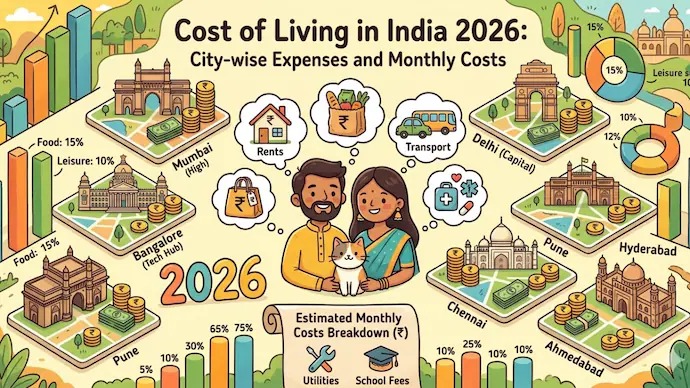
India’s 2026 cost of living reveals sharp city-wise divides
India’s cost of living in 2026 shows significant variation across cities, with Mumbai remaining the most expensive and Kolkata among the most affordable. Monthly expenses differ widely depending on rent, food, and lifestyle choices, making location a decisive factor for professionals, families, and students planning budgets.
Stay Ahead – Explore Now! Harry Brook Climbs to No. 1 in Official ICC Test Batting Rankings
ADVERTISEMENT

Latest Updates

From Silt to Sustainability: BMC Starts Rejuvenati...
15 Jun 2026, 02:01 PM
Jharkhand Secures GI Tags for Bhagaiya Silk and Tr...
15 Jun 2026, 02:24 PM
Reel Deal: Mumbai International Film Festival 2026...
15 Jun 2026, 10:07 PM
Nepal Tea Trade: Factories Shut Down Over India’s...
15 Jun 2026, 10:03 PM
Motorola’s Foldable Fold-Off: Which New Razr Fits...
15 Jun 2026, 09:59 PMADVERTISEMENT

Top Stories
From Silt to Sustainability: BMC Starts Rejuvenati...
15 Jun 2026, 02:01 PM
Jharkhand Secures GI Tags for Bhagaiya Silk and Tr...
15 Jun 2026, 02:24 PM
Reel Deal: Mumbai International Film Festival 2026...
15 Jun 2026, 10:07 PM