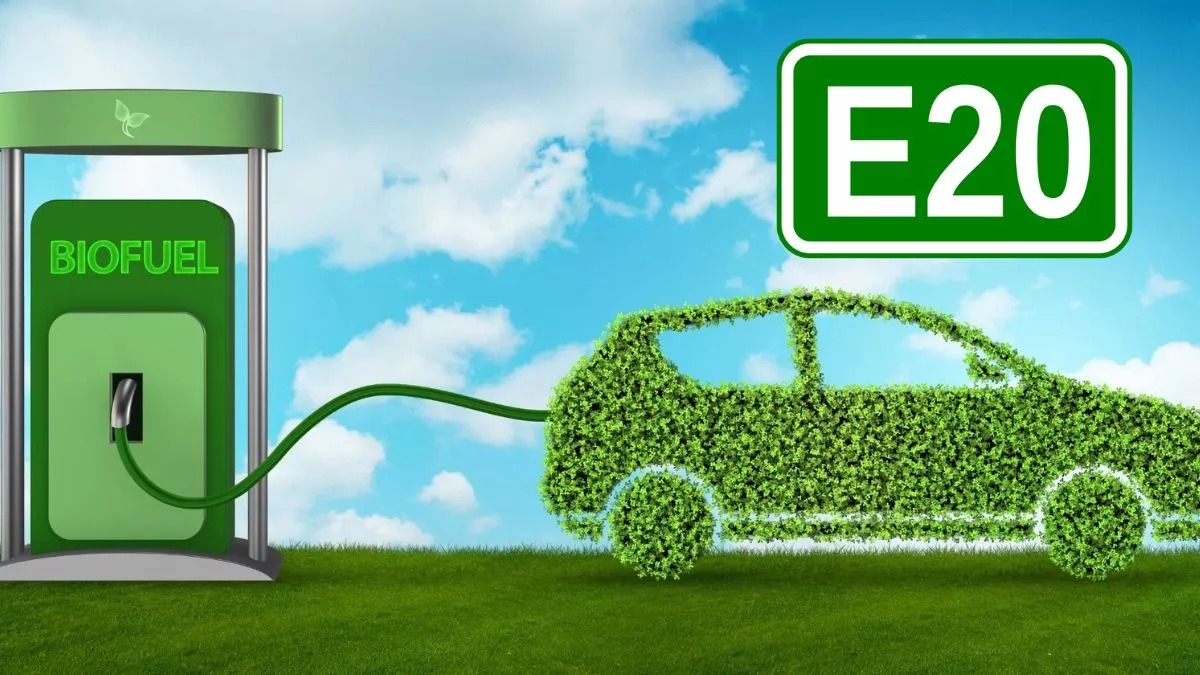
India has hit a significant milestone by rolling out E20 fuel—petrol blended with 20 percent ethanol—nationwide ahead of its original 2030 target. This fuel blend is part of the government's strategy to reduce dependence on imported crude oil, lower carbon emissions, and boost far...
India has hit a significant milestone by rolling out E20 fuel—petrol blended with 20 percent ethanol—nationwide ahead of its original 2030 target. This fuel blend is part of the government's strategy to reduce dependence on imported crude oil, lower carbon emissions, and boost farmer incomes by promoting biofuel production. Here’s a detailed explanation addressing common questions about E20 fuel, its benefits, challenges, and impact on vehicles.
What is E20 Fuel?
E20 fuel is a petrol variant that contains 20 percent ethanol, a renewable biofuel made primarily from plant materials like sugarcane, maize, and surplus grains. India has previously used E5 and E10 blends, but the shift to E20 is five years ahead of schedule and represents a major step towards sustainable fuel usage.
Why is India adopting E20?
The government aims to cut down crude oil imports and reduce vehicular emissions by promoting ethanol blending in petrol. Ethanol’s higher oxygen content improves combustion, which helps lower emissions of pollutants like carbon dioxide. Moreover, creating demand for ethanol boosts the agriculture sector by ensuring better prices for crops used in ethanol production, such as sugarcane and maize.
What are the benefits of E20?
Cleaner Air: Using E20 reduces carbon emissions by around 30 percent compared to E10, contributing to improved urban air quality.
Better Acceleration: Ethanol has a higher octane rating, giving vehicles tuned for E20 better acceleration and ride quality which is important in stop-start city traffic.
Energy Security: By producing ethanol locally, India reduces its reliance on imported fossil fuels, strengthening energy sovereignty.
Economic Boost: The program is expected to pay farmers about Rs. 40,000 crore this year alone and save over Rs. 43,000 crore in foreign exchange by cutting crude oil imports.
Support for Rural Economy: Increased demand for ethanol feedstocks helps reduce farmer distress and supports livelihoods.
Is my vehicle compatible with E20?
Manufacturers have been mandated since April 2025 to produce vehicles compatible with E20 fuel, including petrol engines and hybrid powertrains. Major carmakers like Maruti Suzuki, Hyundai, Volkswagen, Kia, Skoda, and Honda have updated models to run safely on E20. However, most vehicles manufactured before 2023 were designed for up to E10 and may face compatibility issues.
What about older cars and mileage concerns?
Some car owners report reduced fuel mileage with E20, which is linked to ethanol’s lower energy content compared to pure petrol. There are also fears about engine wear in vehicles not designed for higher ethanol content due to factors like increased water content that can corrode certain engine parts. The government and OEMs provide support for tuning or repairs if needed and emphasize that regular maintenance can manage such issues.
Does E20 fuel affect insurance or vehicle warranties?
The Ministry of Petroleum and Natural Gas has dismissed rumors that using E20 voids insurance coverage. The fears stem from misinterpretations and have been clarified: vehicles running on E20 retain valid insurance, and service networks are equipped to support customers for optimal vehicle performance. Some car manuals warn against using more than 10% ethanol, but these are increasingly outdated as manufacturers transition to E20-compatible vehicles.
Are there any challenges with E20?
Limited Fuel Options: Most petrol pumps currently don’t offer lower ethanol blends like E10 or pure petrol, leaving consumers with little choice.
Price Parity: Unlike countries like Brazil, ethanol in India is priced almost at par with petrol, so consumers see no direct cost benefits to switch.
Infrastructure and Awareness: Service centers and repair workshops are still adapting to ethanol-specific vehicle care. Consumer awareness about E20 benefits and impacts is also growing but incomplete.
Environmental Concerns: Ethanol production depends heavily on water-intensive crops like sugarcane, raising questions about sustainability, water usage, and food vs. fuel balance.
What is the government’s roadmap going forward?
The government has committed to E20 blending until at least October 31, 2026, with ongoing consultations involving automakers, ethanol producers, and other stakeholders to decide beyond that date. The transition is being carefully managed to balance environmental goals, fuel security, and consumer interests.
In summary, E20 fuel marks India’s bold movement towards cleaner, self-reliant energy with wide-reaching benefits for air quality, farmers, and energy security. While it presents some vehicle compatibility and infrastructure challenges, the government and industry are actively addressing them. As India accelerates its ethanol blended fuel program, consumers can expect enhanced vehicles and clearer choices on the road ahead.
Source: Autocar India, NDTV, Times of India, Indian Ministry of Petroleum and Natural Gas, India Today, Financial Express reports dated August 2025