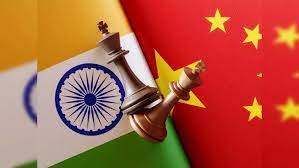
Global investor Jim Rogers has reignited debate over India’s economic trajectory, suggesting the country could rival or even surpass China—if it commits to sustained reform. In a recent interview with ET Now, Rogers praised India’s talent pool and market sophistication but cauti...
Global investor Jim Rogers has reignited debate over India’s economic trajectory, suggesting the country could rival or even surpass China—if it commits to sustained reform. In a recent interview with ET Now, Rogers praised India’s talent pool and market sophistication but cautioned that success hinges on policy execution. As India positions itself as a global supply chain alternative, the world is watching to see whether it can seize the moment or let it slip.
India’s Strengths: Brains, Scale, and Resilience
Rogers highlighted several factors that make India a compelling contender on the global stage.
Key highlights from his assessment:
-
India’s large, educated, and ambitious population offers a strong foundation for innovation and growth
-
Domestic investors have shown resilience, keeping markets buoyant despite foreign institutional pullback
-
Market sophistication is rising, with retail participation and homegrown institutions playing a larger role
Rogers believes these elements give India a real chance to reclaim its place among the world’s most successful economies—provided reforms continue.
The Reform Imperative: What Needs to Change
While optimistic, Rogers was clear that India’s rise is not guaranteed. He emphasized that policy direction will determine whether the country fulfills its potential.
Areas requiring attention:
-
Improving ease of doing business to attract foreign investment
-
Unlocking productivity through infrastructure and labor reforms
-
Reducing bureaucratic red tape and fostering innovation-friendly regulation
Without these changes, India’s momentum could stall, leaving its aspirations unrealized.
Global Context: India’s Strategic Opening
India’s opportunity comes at a time of global realignment. With rising costs in the West and geopolitical tensions surrounding China, many countries are looking to diversify supply chains.
Strategic advantages:
-
India is seen as a dependable alternative in manufacturing and services
-
Free trade agreements with the UK, EU, Australia, and others signal openness to global commerce
-
The IMF projects India’s nominal GDP to surpass Japan’s in 2025, making it the fourth-largest economy
Rogers noted that India’s current positioning is rare and valuable—but warned that the window of opportunity won’t stay open forever.
Investor Sentiment: Watching, Not Yet Betting
Despite his optimism, Rogers is not currently invested in Indian equities. His portfolio remains focused on China and Uzbekistan, which he views as undervalued markets undergoing structural change.
Investment stance:
-
Rogers is monitoring India closely and may enter if valuations become attractive
-
He sees potential for long-term gains but is waiting for signs of deeper reform
-
His cautious approach reflects broader investor sentiment amid global uncertainty
He also expressed skepticism about the US economy, calling America the largest debtor nation in history and holding dollars out of caution rather than confidence.
Looking Ahead: India’s Moment to Lead
India’s economic ascent is plausible, but not automatic. Rogers’ remarks underscore a broader truth: talent and scale are necessary, but not sufficient. Strategic governance, reform continuity, and global engagement will determine whether India becomes the next China—or charts an even more impressive path.
As Rogers put it, India may be the new China. It may be better. Who knows? The answer lies not in potential, but in execution.
Sources: ET Now, Economic Times, News18, Business Today, MSN India, NewKerala, TheTravelsInsider