India’s industrial output growth slowed sharply in June 2025, revealing cracks in the country’s postpandemic recovery momentum. While manufacturing showed resilience, steep declines in mining and electricity production pulled overall growth to its lowest level in ten months. The lates...
India’s industrial output growth slowed sharply in June 2025, revealing cracks in the country’s postpandemic recovery momentum. While manufacturing showed resilience, steep declines in mining and electricity production pulled overall growth to its lowest level in ten months. The latest data from the Ministry of Statistics and Programme Implementation paints a mixed picture of sectoral performance and raises concerns about the sustainability of industrial expansion in the near term.
Key Highlights:
-
June industrial output rose 1.5 percent yearonyear, missing Reuters’ forecast of 2.0 percent
-
Manufacturing output grew 3.9 percent, providing the only major support
-
Mining contracted by 8.7 percent and electricity declined by 2.6 percent
-
AprilJune industrial growth stood at 2.0 percent, the weakest quarterly expansion in five years
June Performance Breakdown:
The Index of Industrial Production (IIP) for June 2025 showed a sharp deceleration compared to the previous year’s 4.9 percent growth. The slowdown was primarily attributed to adverse weather conditions and weak demand in core sectors.
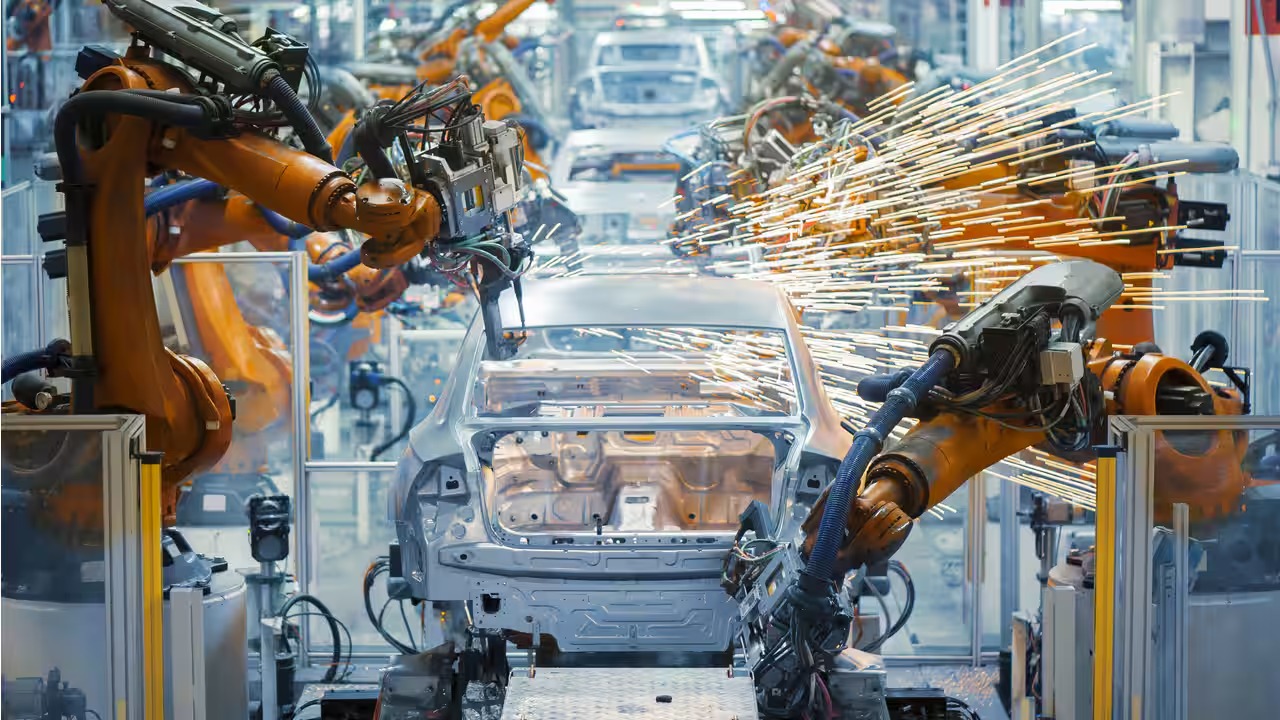
Manufacturing Sector
-
Registered a 3.9 percent yearonyear growth
-
Continued expansion in pharmaceuticals, chemicals, and consumer durables
-
Helped offset declines in other sectors and kept overall IIP in positive territory
Mining Sector
-
Output shrank by 8.7 percent, reversing last year’s 10.3 percent growth
-
Early monsoon rains disrupted coal and mineral extraction
-
Coal production saw its steepest contraction in five years
Electricity Sector
-
Declined by 2.6 percent, marking the second consecutive month of negative growth
-
Lower demand from industrial users and weatherrelated disruptions contributed to the fall
Quarterly Trends and Historical Context:
The AprilJune quarter of FY26 saw industrial output grow by just 2.0 percent, a stark contrast to the 5.4 percent expansion recorded in the same period last year. This marks the weakest quarterly performance since FY21, when pandemicrelated lockdowns crippled production.
Core Sector Weakness
-
Core industries, which account for 40 percent of the IIP, grew only 1.3 percent in Q1
-
Five out of eight core industries contracted in June, including coal, crude oil, and natural gas
Steel and Cement
-
Steel output rose 7 percent in Q1, but slower than last year’s 8.3 percent
-
Cement production remained flat, reflecting subdued construction activity
Revised May Data
-
May’s IIP growth was revised upward to 1.9 percent from the earlier estimate of 1.2 percent
-
Despite the revision, the trend remains one of weakening momentum
Economic Implications and Outlook:
The industrial slowdown comes at a time when India’s broader economy is showing signs of uneven growth. The Finance Ministry’s July economic review acknowledged the patchy performance, noting that services and construction are currently anchoring GDP expansion.
Investor Sentiment
-
The weakerthanexpected IIP data may dampen investor confidence in cyclical sectors
-
Equity markets could see increased volatility in industrial and infrastructurelinked stocks
Policy Considerations
-
Economists expect the Reserve Bank of India to maintain a cautious stance on interest rates
-
Fiscal support for infrastructure and manufacturing may be needed to revive momentum
NearTerm Forecast
-
Analysts predict muted industrial growth in Q2, with monsoon disruptions and global headwinds continuing to weigh on output
-
Recovery may hinge on festive season demand and export performance
Conclusion:
India’s industrial engine sputtered in June, dragged down by weatherrelated disruptions and core sector weakness. While manufacturing remains a bright spot, the overall picture suggests a need for targeted policy support and renewed investment to sustain growth. The coming months will be critical in determining whether this slowdown is a temporary blip or a sign of deeper structural challenges.
Sources: Business Standard, Moneycontrol, Economic Times, Reuters, Ministry of Statistics and Programme Implementation