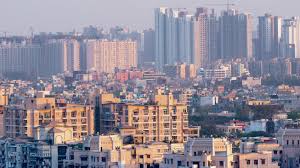
India’s evolving urban metrics show a sharp wealth divide driven by location. Mumbai and Bengaluru remain the most expensive cities due to high rental indexes, heavily eating into consumer salaries. Meanwhile, mid-tier hubs like Indore offer major cost savings on housing and lifestyle, allowing residents to save more aggregate wealth.
MUMBAI - A comprehensive evaluation of macroeconomic indicators across India's urban landscape reveals that geographic placement is becoming the primary driver of personal wealth accumulation or depletion. Newly collated urban consumption indexes and historical tracking data from global mobility indices indicate a widening economic divergence between Tier-1 megacities and emerging Tier-2 hubs.
The findings emphasize that while high-income professional opportunities continue to congregate in prime centers like Mumbai and Bengaluru, intense regional structural inflation most notably soaring residential rentals is actively eroding consumer purchasing power. Conversely, tier-2 cities such as Indore are increasingly identified as strategic strongholds for preserving individual net wealth due to lower operational overheads.
The Premium Metros: High Income vs. Severe Structural Overhead
The structural cost of maintaining an urban lifestyle varies drastically depending on local real estate dynamics and consumer price indexes (CPI). Financial capital metrics confirm that specific urban geographies require significantly higher baseline earnings just to sustain a standard household layout.
Mumbai Remains India's Most Expensive Urban Center
According to cost evaluation data published by the Ministry of Housing and Urban Affairs (MoHUA) and baseline parameters verified through the 2026 Numbeo and Mercer cost-of-living frameworks, Mumbai retains its position as India's most expensive city. Driven by rigid geographical land constraints, Mumbai records a combined Cost of Living (COL) plus Rent Index score of 21.9 (indexed against New York City at 100).
A single individual's monthly outlays, strictly excluding rental provisions, hover between ₹30,000 and ₹60,000. Real estate data shows that a standard 1BHK unit within central municipal limits regularly commands monthly premiums ranging from ₹30,000 to ₹60,000, commanding up to 50% of an average corporate salary.
The Heavy Rental Tax of Living in Bengaluru
Bengaluru follows closely behind as a highly intensive expenditure zone, particularly for the information technology workforce. While its base commodity cost index sits moderately at 21.5, the city's rent index has escalated to 8.5—ranking as the highest in the country immediately after Mumbai.
Corporate growth within micro-markets like Indiranagar, Outer Ring Road, and Koramangala has driven typical monthly rentals for modest configurations up to ₹28,000. Consequently, professionals are subjected to a high localized tax on lifestyle choices, requiring high initial compensation packages to achieve authentic savings growth.
The Tier-2 Shield: Why Indore Protects Consumer Savings
At the opposite end of the fiscal spectrum, cities like Indore are gaining significant attention from long-term wealth managers and real estate investors. As a primary urban center in Madhya Pradesh, Indore presents an entirely different financial profile for consumers and businesses alike.
Low Overhead and Structural Affordability
While major metros burden citizens with immense transport and housing debt, Indore utilizes lower baseline commodity pricing. Food indexes, logistics costs, and municipal utility tariffs are significantly lower than those tracked in Maharashtra or Karnataka.
Real Estate Arbitrage for Remote Professionals
The single largest factor keeping Indore residents financially healthy is real estate affordability. Average housing costs and commercial rentals sit more than 60% lower than corresponding developments in Mumbai.
This dramatic cost relief enables families and remote workers to redirect substantial portions of their disposable income directly into equity markets, mutual funds, or liquid savings instruments—effectively making them richer on paper than peers earning nominally higher gross figures in premium metros.
Official Sources Section
The current regional cost divisions and operational expenditure brackets have been derived from multi-agency reports and verified data tables:
"Across every major urban center in the domestic dataset, rent remains the single largest differentiator in overall living costs. While the gap between baseline grocery and utility cost indices appears relatively narrow between states, combined living costs rise sharply once rental expenses are factored in, particularly within Mumbai and Bengaluru."
-Urban Analytics Division, Tradejini Research Reports
"The evaluation of domestic urban data shows that cities with lower rent indices continue to maintain comparatively lower overall living costs despite broader inflationary headwinds. This provides a direct wealth accumulation advantage to localized consumers."
-Statistical Bulletin, Numbeo Global Cost Data Matrix
Why It Matters
Understanding these hyper-local cost variations has critical practical implications for career planning, corporate talent placement, and household wealth management. A nominal salary increase of 20% achieved by relocating from a tier-2 city like Indore to Mumbai can actually result in a net reduction in real disposable income once the local rental and commute inflation is applied.
For businesses, these indexes indicate that establishing satellite operations in mid-tier cities can significantly lower commercial leasing costs while allowing them to offer competitive, cost-of-living-adjusted salaries that preserve employee satisfaction.
Key Facts at a Glance
Top Expenditure Zone: Mumbai tracks as the absolute most expensive address in India, driven by a national high rent index of 17.5.
The Tech Tax: Bengaluru's rapid real estate inflation pushes a single individual's monthly expenses to a range of ₹20,000–₹50,000, excluding housing costs.
The Mid-Tier Advantage: Cities like Indore and selected tier-2 hubs offer up to 60% savings on baseline accommodation and commercial leases.
The Real Wealth Driver: Real estate and rental costs remain the primary catalyst determining whether an urban professional accumulates wealth or faces monthly deficits.
Frequently Asked Questions (FAQ)
Is it financially smarter to accept a lower salary in a city like Indore compared to Mumbai?
In many scenarios, yes. Because accommodation, local travel, and basic consumer goods in Indore are drastically cheaper, a lower gross salary there can yield a significantly higher net savings rate compared to a larger corporate package in Mumbai or Bengaluru where rent consumes up to half of your take-home pay.
Why is Bengaluru's rent index disproportionately high compared to its general cost index?
The concentration of global tech firms, venture capital investments, and a continuous influx of high-earning professionals into specific geographic pockets (like Whitefield and Koramangala) creates localized housing shortages, allowing landlords to demand premium rental prices.
Which metro city currently offers the most balanced value-for-money configuration in 2026?
According to long-term consumption and purchasing power tracking data, Hyderabad and Pune consistently offer an optimal middle ground, presenting strong corporate salary opportunities alongside real estate costs that remain far more manageable than Mumbai or Delhi.
Source: Ministry of Housing and Urban Affairs (MoHUA), National Consumer Price Index Datasets, Tradejini Business Research Bureau, Numbeo Real Estate Metric Registries.