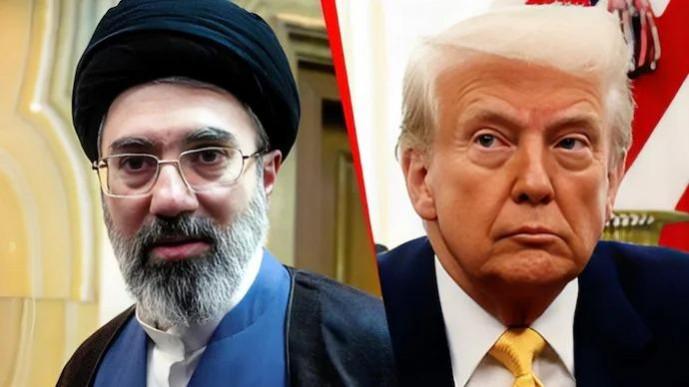
President Donald Trump announced a historic U.S.-Iran peace deal is scheduled for signature on Sunday, aiming to end months of intense conflict. The agreement mandates the immediate reopening of the blockaded Strait of Hormuz and establishes a verified 60-day framework to dismantle and remove Tehran's enriched nuclear material.
WASHINGTON, D.C. — U.S. President Donald Trump announced on Saturday, June 13, 2026, that a historic peace agreement with Iran is scheduled to be signed on Sunday, June 14, 2026. The landmark memorandum of understanding aims to establish a structured pathway to permanently end the months-long military conflict in West Asia.
According to statements released by the White House and international mediators, the finalized accord will mandate the immediate reopening of the strategic Strait of Hormuz to global shipping. This development comes after weeks of halting negotiations and a fragile ceasefire that has been in place since April 7, 2026. While Washington and mediation partners express high optimism, officials in Tehran have maintained a more cautious stance regarding the exact hours of the execution timeline.
Strategic Terms of the Emerging Peace Accord
The proposed framework represents a sweeping shift in bilateral relations, intended to address the root causes of the 2026 conflict. Under the core tenets of the draft memorandum, a 60-day transitional framework will be established to allow technical teams from both nations to iron out permanent operational guidelines.
Reopening the Strait of Hormuz
Foremost among the immediate impacts is the total restoration of maritime freedom through the Strait of Hormuz. The chokepoint, which transits roughly one-fifth of the world's liquid petroleum, has been largely paralyzed by naval blockades and hostilities. President Trump confirmed that maritime access would be restored "immediately after" the electronic signatures are validated.
Nuclear Stockpile and Verification
A senior U.S. administration official, speaking on the condition of anonymity, detailed that the accord initiates a strict process to secure and remove Iran's highly enriched uranium. The 60-day post-signing window will be used to deploy international inspection regimes to locate, downblend, and destroy material embedded deep within heavily fortified underground facilities.
Diplomatic Optimism Coupled With Caution in Tehran
The announcement triggered a wave of rapid diplomatic activity across global capitals. Pakistani Prime Minister Shehbaz Sharif, whose government has acted as the primary backchannel mediator alongside Qatar and Turkey, strongly echoed the White House’s optimism. Sharif confirmed that Islamabad has finalized preparations for a remote, digital signing ceremony.
However, the timeline faces internal domestic friction within Iran. While Iranian Foreign Minister Abbas Araghchi acknowledged that an agreement "has never been closer," the government is facing immediate pushback from hardline political factions. Public demonstrations were reported outside regional foreign ministry offices in Mashhad following Araghchi's televised address regarding the terms of the concession framework.
Official Sources Section
"The Deal is scheduled to get signed tomorrow, and immediately after it is signed, the Hormuz Strait is OPEN TO ALL. Our relationship with Iran is a much different and better one than previous Administrations have had. My Agreement with Iran is a WALL TO NO NUCLEAR WEAPON!"
-President Donald Trump, Official White House Statement
"We are closer to a peace deal than ever before. With finalisation likely expected in the next 24 hours, Pakistan is preparing for the electronic signing of the peace deal immediately after, followed by technical-level talks next week."
-Shehbaz Sharif, Prime Minister of Pakistan
"Although it will not happen tomorrow, the possibility that it could take place in the coming days cannot be ruled out. The memorandum under discussion is focused on ending the war."
-Esmail Baghaei, Spokesperson, Iranian Ministry of Foreign Affairs
Why It Matters
The signing of this memorandum carries immense structural implications for the global economy, energy security, and corporate logistics. The prolonged closure of the Persian Gulf routes sent global crude oil and liquefied natural gas (LNG) prices soaring, severely impacting consumer inflation indexes worldwide.
The immediate reopening of the shipping lanes will relieve systemic supply chain bottlenecks, lowering marine insurance premiums and stabilizing fuel costs for international shipping conglomerates, airlines, and manufacturing sectors. Furthermore, a successful de-escalation averts a broader, multi-front war that threatened to permanently destabilize international energy markets.
Key Facts at a Glance
Signing Timeline: Scheduled by the U.S. for Sunday, June 14, 2026, via a digital, electronic protocol facilitated by Pakistan.
Maritime Impact: The Strait of Hormuz will immediately reopen to all commercial, civilian, and industrial shipping vessels.
Nuclear Constraints: Iran commits to halting its pursuit of nuclear weapons, allowing a 60-day window for the removal of enriched material.
Financial Terms: The U.S. will offer conditional sanctions relief and restricted access to frozen assets; the White House asserts no direct cash transfers will occur.
Frequently Asked Questions (FAQ)
Why is there a discrepancy in the signing date between the U.S. and Iran?
President Trump and Pakistani mediators are pushing for an immediate Sunday finalization to capitalize on diplomatic momentum. Iranian officials are more circumspect, citing the need to navigate domestic political opposition and finalize sensitive draft text regarding regional security.
What happens to Iran's nuclear material under this deal?
According to White House briefings, the agreement outlines a verified process where specialized military and international teams will enter designated facilities to retrieve, downblend, and completely destroy highly enriched uranium stockpiles.
Will global fuel prices drop immediately?
While market sentiment is expected to react positively to the news, actual stabilization depends on the physical demining of the shipping lanes and the safe, unhindered resumption of oil tanker transits through the Gulf region.
Source: [suspicious link removed], Ministry of Foreign Affairs of the Islamic Republic of Iran, Official Press Office of the Prime Minister of Pakistan.