




Loading market data...
ADVERTISEMENT

Latest Top News
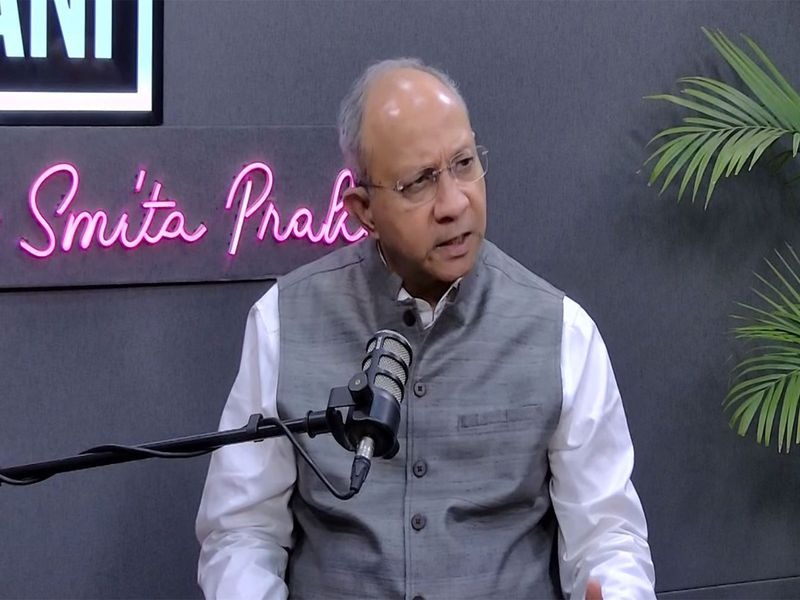
India’s Strategic Silence In West Asia: Pankaj Saran’s Insight
Former Deputy National Security Advisor Pankaj Saran stated that India’s silence on West Asia’s geopolitical tensions has indirectly benefited the United States, Israel, and Gulf states. He emphasized that strategic restraint is part of India’s broader foreign policy posture, balancing national interests with regional stability.
Stay Ahead – Explore Now! Bharti Airtel Shareholders Approve ₹28,220 Crore Airtel Africa Deal
ADVERTISEMENT

Latest Updates

From Silt to Sustainability: BMC Starts Rejuvenati...
15 Jun 2026, 02:01 PM
Jharkhand Secures GI Tags for Bhagaiya Silk and Tr...
15 Jun 2026, 02:24 PM
Reel Deal: Mumbai International Film Festival 2026...
15 Jun 2026, 10:07 PM
Nepal Tea Trade: Factories Shut Down Over India’s...
15 Jun 2026, 10:03 PM
Motorola’s Foldable Fold-Off: Which New Razr Fits...
15 Jun 2026, 09:59 PMADVERTISEMENT

Top Stories
From Silt to Sustainability: BMC Starts Rejuvenati...
15 Jun 2026, 02:01 PM
Jharkhand Secures GI Tags for Bhagaiya Silk and Tr...
15 Jun 2026, 02:24 PM
Reel Deal: Mumbai International Film Festival 2026...
15 Jun 2026, 10:07 PM