




Loading market data...
ADVERTISEMENT

Latest Top News
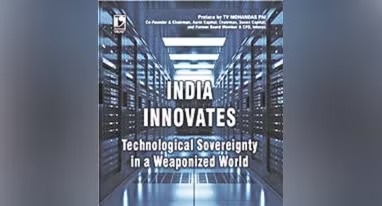
India Innovates: Why Tech Sovereignty Matters In A Data-Driven World
India’s push for tech sovereignty is gaining momentum as data becomes the new oil of the global economy. With rising concerns over digital dependence, cybersecurity, and economic resilience, India is charting a path toward self-reliance in technology to secure its future in a data-driven era.
Stay Ahead – Explore Now! CleanMax Partners with Meta on 900 MW Renewable Energy Initiative in India
ADVERTISEMENT

Latest Updates

Kikkoman Plans First India Soy Sauce Manufacturing...
16 Jun 2026, 05:58 AM
The Street Food Superhero: Puchkaman Scales 150% a...
16 Jun 2026, 12:11 AM
The Silence Value: Luxury Travellers Shift to Soft...
16 Jun 2026, 12:08 AM
The Great Tech Wake-Up Call: India Must Invest to...
16 Jun 2026, 12:01 AM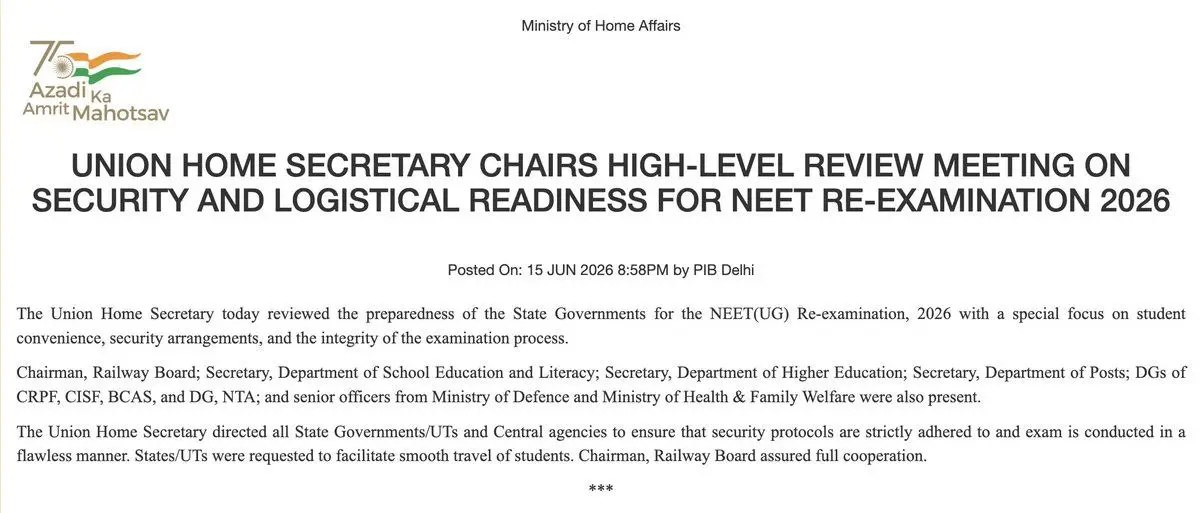
High-Stakes Health Check: Home Secretary Reviews N...
15 Jun 2026, 11:58 PMADVERTISEMENT

Top Stories
Kikkoman Plans First India Soy Sauce Manufacturing...
16 Jun 2026, 05:58 AM
The Street Food Superhero: Puchkaman Scales 150% a...
16 Jun 2026, 12:11 AM
The Silence Value: Luxury Travellers Shift to Soft...
16 Jun 2026, 12:08 AM