India's tea and coffee industries are facing significant challenges due to climate change and evolving market trends. In 2024, tea production declined by approximately 66 million kilograms, leading to an 18% surge in prices between January and October. Adverse weather conditions in Assam and West...
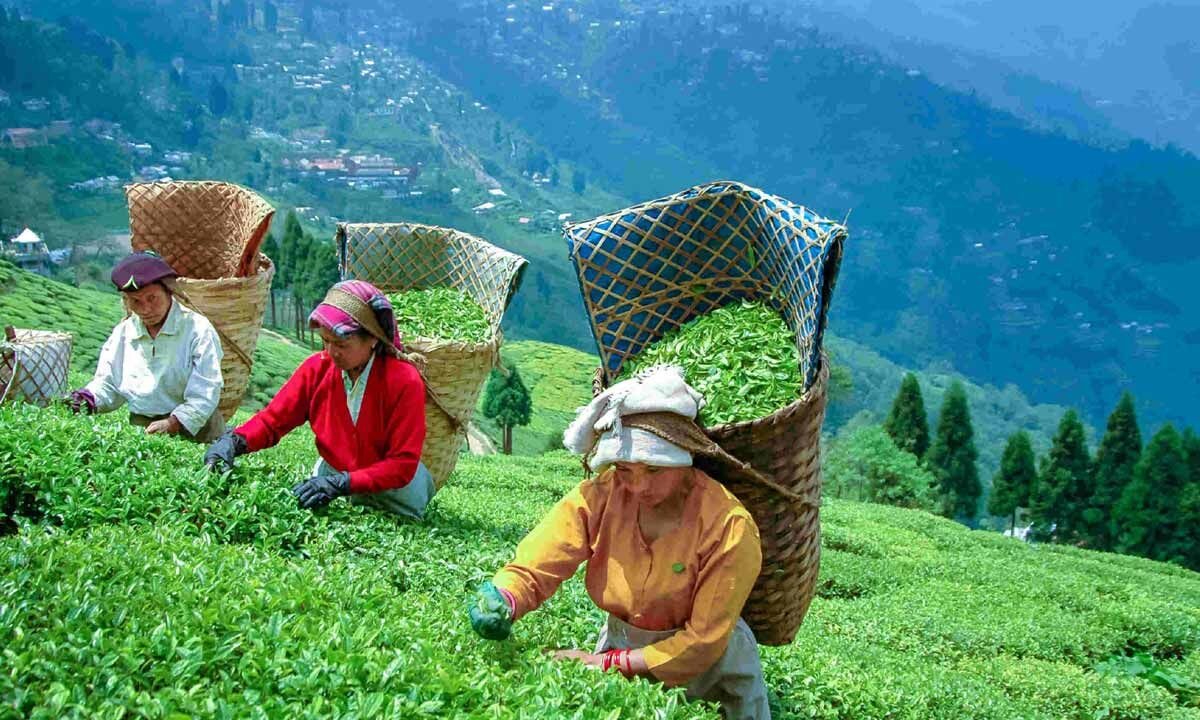
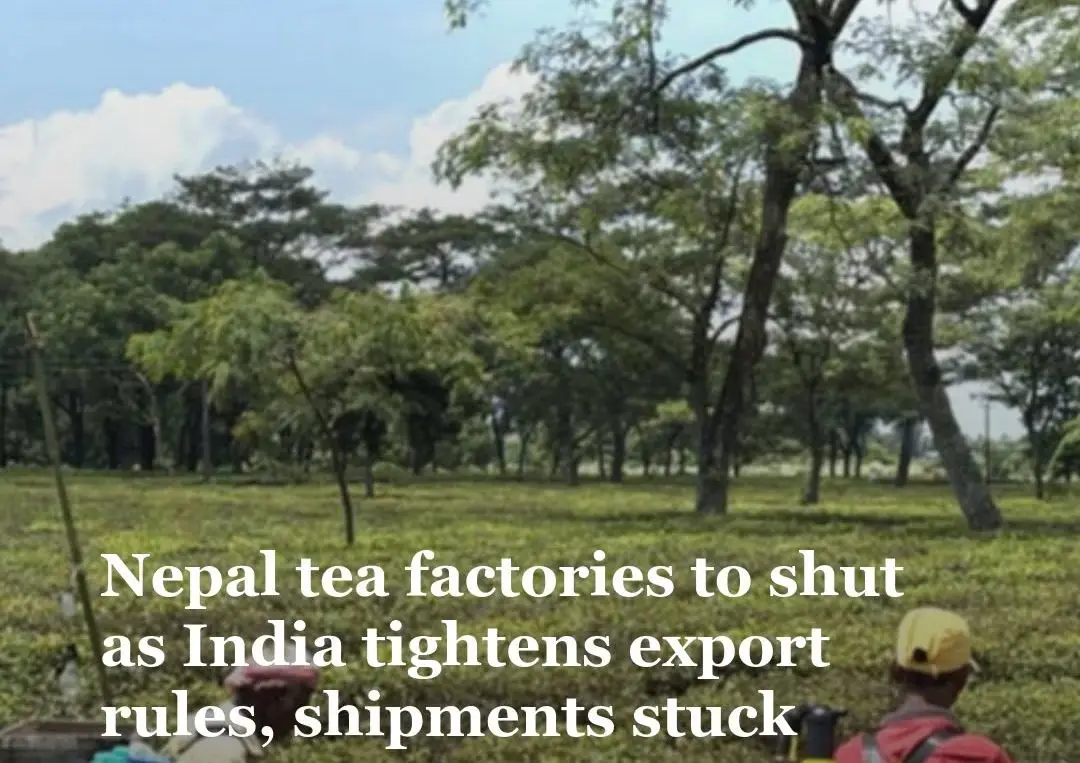
India's tea and coffee industries are facing significant challenges due to climate change and evolving market trends. In 2024, tea production declined by approximately 66 million kilograms, leading to an 18% surge in prices between January and October. Adverse weather conditions in Assam and West Bengal have exacerbated the situation, impacting both yields and quality.
The coffee sector is experiencing a transformative phase and is projected to grow at a compound annual growth rate (CAGR) of 9.87% from 2024 to 2033, reaching a valuation of USD 1,227.47 million by 2032. This growth is driven by evolving consumer preferences, sustainability imperatives, and technological advancements.
The coffee sector is experiencing a transformative phase and is projected to grow at a compound annual growth rate (CAGR) of 9.87% from 2024 to 2033, reaching a valuation of USD 1,227.47 million by 2032. This growth is driven by evolving consumer preferences, sustainability imperatives, and technological advancements.
To address these challenges, stakeholders in both industries are advocating for climate-smart solutions and sustainable practices to ensure long-term viability and resilience.
Source: Economic Times
Source: Economic Times , Custom Market Insights
Source: Economic Times
Custom Market InsightsSource: Economic Times
To address these challenges, stakeholders in both industries are advocating for climate-smart solutions and sustainable practices to ensure long-term viability and resilience.
To address these challenges, stakeholders in both industries are advocating for climate-smart solutions and sustainable practices to ensure long-term viability and resilience.
To address these challenges, stakeholders in both industries are advocating for climate-smart solutions and sustainable practices to ensure long-term viability and resilience.
To address these challenges, stakeholders in both industries are advocating for climate-smart solutions and sustainable practices to ensure long-term viability and resilience.
To address these challenges, stakeholders in both industries are advocating for climate-smart solutions and sustainable practices to ensure long-term viability and resilience.
To address these challenges, stakeholders in both industries are advocating for climate-smart solutions and sustainable practices to ensure long-term viability and resilience.
To address these challenges, stakeholders in both industries are advocating for climate-smart solutions and sustainable practices to ensure long-term viability and resilience.
To address these challenges, stakeholders in both industries are advocating for climate-smart solutions and sustainable practices to ensure long-term viability and resilience.
To address these challenges, stakeholders in both industries are advocating for climate-smart solutions and sustainable practices to ensure long-term viability and resilience.
The coffee sector is experiencing a transformative phase and is projected to grow at a compound annual growth rate (CAGR) of 9.87% from 2024 to 2033, reaching a valuation of USD 1,227.47 million by 2032. This growth is driven by evolving consumer preferences, sustainability imperatives, and technological advancements.
To address these challenges, stakeholders in both industries are advocating for climate-smart solutions and sustainable practices to ensure long-term viability and resilience.
ndia's tea and coffee industries are facing significant challenges due to climate change and evolving market trends. In 2024, tea production declined by approximately 66 million kilograms, leading to an 18% surge in prices between January and October. Adverse weather conditions in Assam and West Bengal have exacerbated the situation, impacting both yields and quality.
The coffee sector is experiencing a transformative phase and is projected to grow at a compound annual growth rate (CAGR) of 9.87% from 2024 to 2033, reaching a valuation of USD 1,227.47 million by 2032. This growth is driven by evolving consumer preferences, sustainability imperatives, and technological advancements.
To address these challenges, stakeholders in both industries are advocating for climate-smart solutions and sustainable practices to ensure long-term viability and resilience.
ndia's tea and coffee industries are facing significant challenges due to climate change and evolving market trends. In 2024, tea production declined by approximately 66 million kilograms, leading to an 18% surge in prices between January and October. Adverse weather conditions in Assam and West Bengal have exacerbated the situation, impacting both yields and quality.
The coffee sector is experiencing a transformative phase and is projected to grow at a compound annual growth rate (CAGR) of 9.87% from 2024 to 2033, reaching a valuation of USD 1,227.47 million by 2032. This growth is driven by evolving consumer preferences, sustainability imperatives, and technological advancements.
To address these challenges, stakeholders in both industries are advocating for climate-smart solutions and sustainable practices to ensure long-term viability and resilience.
ndia's tea and coffee industries are facing significant challenges due to climate change and evolving market trends. In 2024, tea production declined by approximately 66 million kilograms, leading to an 18% surge in prices between January and October. Adverse weather conditions in Assam and West Bengal have exacerbated the situation, impacting both yields and quality.
The coffee sector is experiencing a transformative phase and is projected to grow at a compound annual growth rate (CAGR) of 9.87% from 2024 to 2033, reaching a valuation of USD 1,227.47 million by 2032. This growth is driven by evolving consumer preferences, sustainability imperatives, and technological advancements.
To address these challenges, stakeholders in both industries are advocating for climate-smart solutions and sustainable practices to ensure long-term viability and resilience.