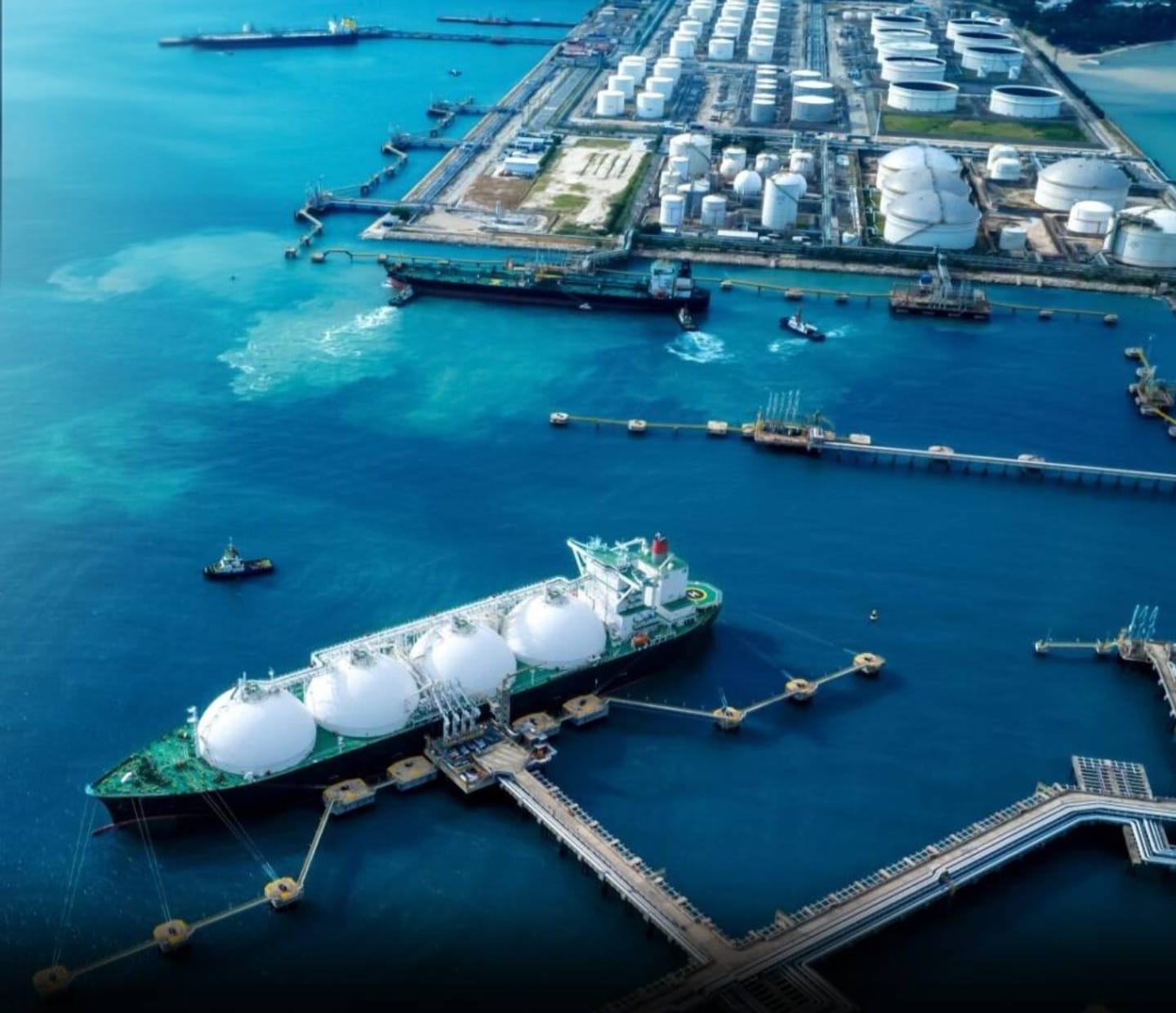
A recent Iranian attack has severely impacted Qatar’s liquefied natural gas infrastructure, wiping out 17% of its production capacity for up to five years. The disruption could tighten global energy markets, push LNG prices higher, and force importing nations to reassess supply strategies amid rising geopolitical tensions.
Qatar, one of the world’s largest LNG exporters, is facing a major setback after significant infrastructure damage caused by an Iranian strike. According to QatarEnergy leadership, recovery could take between three to five years, raising alarm across global energy markets already under pressure.
Extent Of Damage And Production Impact
The attack has disrupted nearly one-fifth of Qatar’s LNG output, a critical component of global natural gas supply. Qatar plays a central role in supplying LNG to Asia and Europe, and any prolonged outage could strain energy security, particularly in countries heavily dependent on imports.
Industry experts warn that restoring LNG facilities is complex, involving not just repairs but safety checks, regulatory approvals, and rebuilding specialized infrastructure. The long recovery timeline indicates deep structural damage rather than temporary disruption.
Global Energy Market Repercussions
The loss of 17% capacity is expected to ripple across international markets. LNG prices may surge as buyers scramble for alternative suppliers, including the United States and Australia. European nations, already managing reduced pipeline gas supplies, could face renewed energy volatility.
This development also underscores the vulnerability of energy infrastructure in geopolitically sensitive regions. Analysts believe it may accelerate diversification strategies and investments in renewable energy and energy storage technologies.
Strategic And Geopolitical Implications
The incident highlights rising tensions in the Middle East and their direct impact on global energy flows. Governments and corporations may now reassess risk exposure in the region, while insurance and shipping costs could rise for LNG transport routes.
Key Highlights
-
17% of Qatar’s LNG production capacity has been wiped out
-
Recovery timeline estimated at three to five years
-
Global LNG prices likely to rise due to supply constraints
-
Major importers in Asia and Europe expected to face pressure
-
Event underscores geopolitical risks to energy infrastructure
As the world navigates this disruption, energy security and diversification will remain top priorities for policymakers and industry leaders alike.
Sources: QatarEnergy statements, international energy market analysts, global news agencies