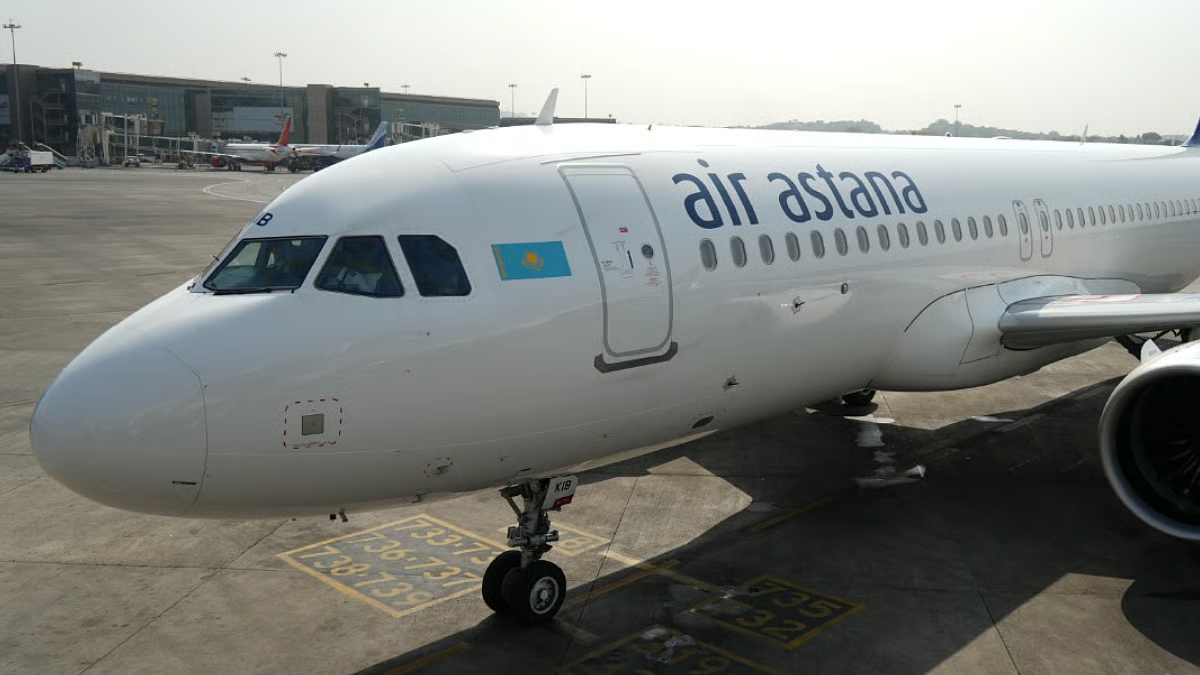
Air India and Air Astana have officially entered into a codeshare partnership that will enable enhanced cooperation on trunk routes between India and Kazakhstan. This collaboration signifies a crucial expansion in regional aviation ties, promising greater travel options, increased flight frequenc...
Air India and Air Astana have officially entered into a codeshare partnership that will enable enhanced cooperation on trunk routes between India and Kazakhstan. This collaboration signifies a crucial expansion in regional aviation ties, promising greater travel options, increased flight frequencies, and broader connectivity between these two countries. The strategic move is set to boost tourism, business travel, trade relations, and cultural exchange, enriching the travel experience for passengers on both carriers.
Key takeaways:
The codeshare partnership covers main trunk routes connecting major cities in India and Kazakhstan.
Passengers will benefit from smoother connections, broader route options, and integrated frequent flyer programs.
This alliance builds on Air Astana’s existing international partnerships and enhances Air India’s reach into Central Asian markets.
The move aligns with both airlines’ growth and network expansion strategies focused on increasing bilateral travel and economic cooperation.
Overview of the Partnership
The codeshare agreement between Air India, India’s flagship carrier, and Air Astana, Kazakhstan’s leading airline, facilitates a deepened commercial and operational link between the two nations. By sharing flight codes on designated trunk routes, the airlines will provide seamless travel for passengers and cargo, enabling bookings on either airline’s flights under a unified ticketing system.
This partnership comes as Air Astana continues to expand its footprint in Asia, evident from its recent codeshare agreements with other global carriers and introduction of new routes. Air India similarly seeks to broaden its connectivity beyond its core markets, leveraging Air Astana’s strong regional presence in Central Asia.
With Air Astana reestablishing flights to Delhi as part of its network and increasing Mumbai flight frequencies, this collaboration will increase travel flexibility and support growing demand between major urban centers such as Delhi, Mumbai, Almaty, and Astana.
Strategic Importance for Both Carriers
For Air India:
-
Expands its network into Kazakhstan and Central Asian markets with enhanced reach.
-
Facilitates improved connectivity for Indian passengers traveling to Central Asia, enabling access to key transit hubs.
-
Supports Air India’s international growth objectives including strengthening routes aligned with India's growing economic ties with Kazakhstan.
For Air Astana:
-
Gains access to a vast Indian market with growing travel demand.
-
Strengthens its international network through a partnership with a major Star Alliance carrier.
-
Enhances passenger convenience with integrated schedules and loyalty program synergy, driving customer retention.
Peter Foster, CEO of Air Astana, has expressed the importance of partnerships in the airline's growth plans, emphasizing collaboration with carriers in India as a strategic priority. This deal adds to Air Astana's network strength after recent codeshare agreements with carriers like China Southern Airlines and Japan Airlines.
Passenger Benefits and Market Impact
-
The codeshare deal translates to important advantages for travelers:
-
More flight options and frequencies on India-Kazakhstan routes.
-
Single-ticket convenience with coordinated schedules enabling easier connections.
-
Enhanced benefits for frequent flyers from both airlines.
-
Improved options for cargo logistics supporting bilateral trade.
This partnership arrives at a time when bilateral trade, tourism, and cultural exchanges between India and Kazakhstan are rapidly developing, supported by government initiatives and growing business interactions. Improved air connectivity is expected to further fuel these trends, benefiting the wider economic relationship.
Broader Industry Context
Air Astana has recently reported strong growth with the launch of 20 new routes in 2025 and expanded cooperation with global airlines. The airline has been focused on fleet modernization and network simplification to improve efficiency and service quality.
On the other hand, Air India continues its expansion with increased international frequencies and ongoing modernization efforts post its acquisition by Tata Group. Codeshare partnerships like this are part of Air India’s strategy to enhance connectivity beyond traditional markets, especially in the fast-growing Asia-Central Asia corridor.
Conclusion
The Air India-Air Astana codeshare partnership is a significant development in South-Central Asian aviation connectivity, promising enhanced travel convenience, economic benefits, and stronger bilateral ties. Passengers and businesses across both countries stand to gain from this cooperation on trunk routes, highlighting the growing importance of regional partnerships for international airlines.
Relevant Sources: Air India, Air Astana, Aviation World, Travel Trade Journal