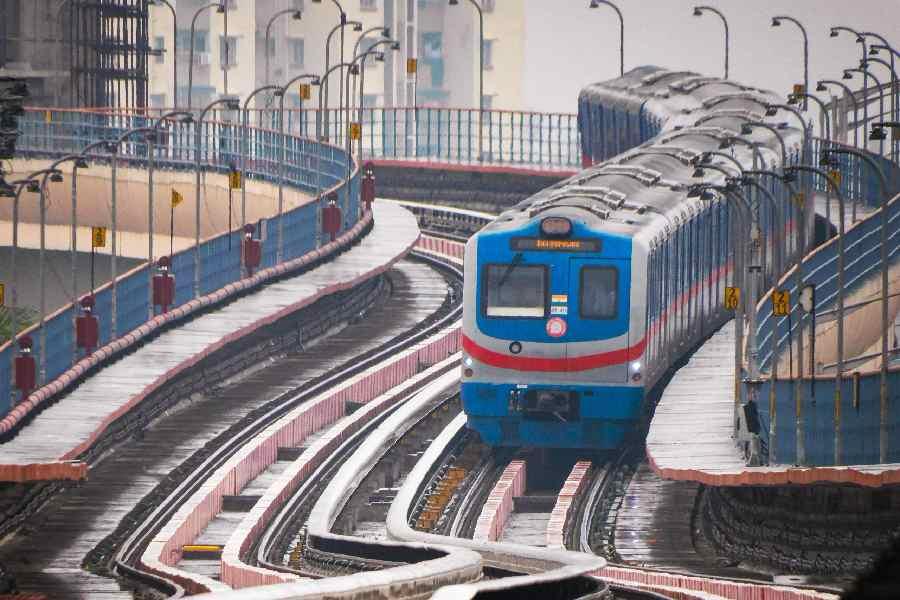
Kolkata is at the crossroads of a major public transport shift. The launch and rapid expansion of new metro routes—recently adding 14 kilometers and serving an additional 2–3 lakh riders daily—has reshaped how the city moves. For decades, buses connected every corner, but now, w...
Kolkata is at the crossroads of a major public transport shift. The launch and rapid expansion of new metro routes—recently adding 14 kilometers and serving an additional 2–3 lakh riders daily—has reshaped how the city moves. For decades, buses connected every corner, but now, with many commuters favoring the speed and reliability of the metro, the Bengal government is planning comprehensive route rationalisation to restore balance, support bus operators, and strengthen Kolkata’s integrated mobility network.
Key Highlights from the Latest Metro Expansion Impact
Bus ridership on several crucial corridors—including Howrah–Santragachi and Sector V—is down by 20–30 percent following metro expansion.
Bus operators report losing 50–100 passengers per vehicle per day, especially after four successive metro trips during peak hours.
Government agencies are collaborating with unions, planners, and last-mile operators to protect revenues, maintain service for regular commuters, and optimize urban accessibility.
The rationalisation plan will include adjusting existing bus routes, integrating feeder services, and piloting express and short-turn routes that complement metro ridership flows.
Public transport authorities will use real-time ridership data to identify high-demand areas and reallocate buses toward underserved corridors and localities lacking direct metro access.
Adapting to Metro-Led Mobility Patterns
The expansion of the metro network has made a profound difference: faster journeys, lower congestion, and increased affordability for thousands of Kolkata residents. Yet, this very success has challenged the traditional bus system, hitting operators and drivers with steep losses and shrinking margins. Many former bus passengers now opt for the metro’s speed, especially on long corridors once dominated by road transit. Complaints from auto unions, private bus syndicates, and last-mile drivers highlight these stresses and underline calls for urgent government intervention.
Government planners are now mapping new service areas, reviewing route overlap, and identifying poorly served neighborhoods. The focus is on optimization—ensuring buses fill the city’s transport gaps left by the metro, such as connecting suburbs, market areas, educational zones, and medical centers. Short-turn, point-to-point, and circular shuttle services are under consideration to support these essential routes.
Data-Driven Approaches and Stakeholder Engagement
A surge in metro ridership is not an isolated Kolkata phenomenon—cities globally align bus networks with rapid rail expansions to avoid redundancy, financial strain, and underutilization. In Kolkata, transport authorities are collating real-time boardings and alightings, passenger feedback, and travel pattern surveys. These data sets allow them to identify which routes should be retained, merged, or replaced and to plan schedules that avoid direct competition with metro timings.
Engagement with bus syndicates and driver associations is steady. Their collective expertise helps the government assess which corridors still depend on surface transit, what peak and off-peak adjustments should be made, and how incentives can protect jobs during the transition.
Challenges and Possible Solutions
Operators worry about permanent loss of regular commuters, though transport experts consider the current phase temporary, as cities typically stabilize after initial metro-driven ridership shifts. To regain passengers, operators are piloting service enhancements: dedicated women’s buses, express options during rush hour, fare discounts, and improved first-mile/last-mile connections for neighborhoods without metro access.
Integration between metro and bus fare systems, real-time information displays at stations and stops, and innovative urban mobility apps may further promote seamless transfers and customer loyalty.
Looking Ahead: A Blueprint for Urban Mobility Balance
The Bengal government’s route rationalisation effort will define Kolkata’s next mobility phase. Their blueprint—flexible, data-driven, and responsive—aims to create a sustainable, interconnected public transport system where metro and buses serve complementary, not conflicting, roles. Citizens can expect more reliable options, focused transit corridors, and lasting job protections for thousands of drivers, giving Kolkata a model for urban transport adaptation in the Indian context.
Sources: Hindustan Times, Economic Times Infra, Telegraph India