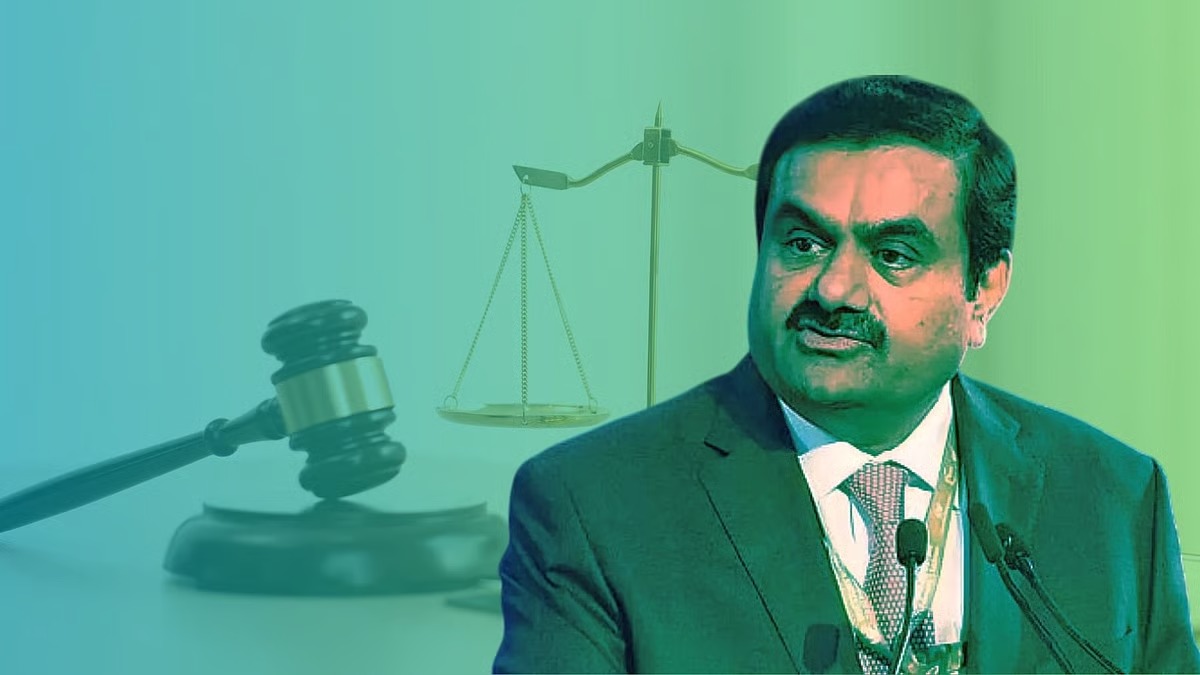
Gautam Adani’s legal team successfully campaigned for the dismissal of U.S. bribery and fraud charges by submitting over 600 pages of evidence. The Justice Department ultimately deemed the case legally flawed. Adani has officially denied any link between the dismissal and his group's planned $10 billion U.S. investment project.
A multi-month defense strategy and high-stakes legal submissions were pivotal in persuading the U.S. Department of Justice to abandon charges against the billionaire.
NEW YORK – New court filings have provided the clearest account yet of the intensive 10-week legal campaign that led the U.S. Department of Justice (DOJ) to drop criminal bribery and securities fraud charges against Gautam Adani. The dismissal, which marks a significant turn in one of the year’s most high-profile corporate prosecutions, follows an extensive effort by the Adani Group’s defense team to dismantle the government's case through detailed evidence submissions.
A 10-Week Defense Offensive
The effort, spearheaded by Robert J. Giuffra Jr. of the law firm Sullivan & Cromwell, unfolded between February 3 and April 17, 2026. According to filings, the defense team submitted approximately 600 pages of material to federal prosecutors, including a 118-page white paper and two slide presentations totaling 130 pages. A separate 151-page presentation was also delivered to the U.S. Securities and Exchange Commission (SEC) in March.
This defensive push was designed to challenge the factual basis of the indictment, which had alleged that Gautam Adani, his nephew Sagar Adani, and other executives conspired to pay over $250 million in bribes to Indian officials to secure solar energy contracts. The defense argued that the allegations were fundamentally flawed and lacked substantive evidence.
DOJ Reverses Course
The DOJ moved to dismiss the indictment on May 18, 2026, arguing that the prosecution was "legally flawed" and "diplomatically counterproductive". In its submissions to the court, the Justice Department maintained that the alleged conduct occurred primarily in India—where local authorities found no misconduct—and that investors had suffered no financial losses.
Senior DOJ officials, including Principal Associate Deputy Attorney General Trent McCotter, emphasized that the decision to pursue dismissal was based on the merits of the case and the department's enforcement priorities, rather than any external factors.
Adani Denies Quid Pro Quo
The dismissal process faced scrutiny from U.S. District Judge Nicholas G. Garaufis, who ordered Gautam Adani to state under oath whether there was any "quid pro quo" agreement involving the group's planned $10 billion investment in the United States.
In a sworn affidavit filed on July 15, 2026, Gautam Adani categorically denied any such arrangement. "I was unaware of anything promised, offered, sought, received, agreed to, or accepted" in connection with the government's decision to drop the charges, Adani stated. The filing clarified that while his legal team had mentioned the investment plans during discussions with officials, the DOJ had explicitly rejected the idea that such investments would influence the criminal proceedings.
Why It Matters
For stakeholders, the dismissal represents a significant clearing of a major legal hurdle that had once triggered sharp volatility in Adani Group stocks. The case’s collapse underscores the high threshold required for international corruption prosecutions and the effectiveness of aggressive, evidence-heavy legal advocacy in the U.S. judicial system.
Key Facts at a Glance
Defense Scope: A 10-week campaign included over 600 pages of submissions and presentations provided to the DOJ and SEC.
DOJ Rationale: Prosecutors cited significant legal hurdles, including lack of evidence of investor loss and the absence of misconduct findings by Indian authorities.
Sworn Denial: Gautam Adani confirmed under oath that his proposed $10 billion U.S. investment was unrelated to the dismissal of the case.
Case Status: The DOJ has requested that the indictment be dismissed with prejudice, which would permanently prevent the same charges from being brought again.
FAQ
Were the bribery charges proven? No, the charges were allegations, and the DOJ moved to dismiss them before they were tested in a trial.
Why did the judge question the dismissal? Judge Garaufis sought to ensure that no "quid pro quo" or improper agreement influenced the DOJ's decision.
What happens next? The court is currently reviewing the request for dismissal with prejudice; the case remains pending until the judge officially approves the motion.
Source:
The Economic Times, The Hindu, Hindustan Times, CBS News
DOJ backs Adani case dismissal