The LPG price today - 6 June remains stable for domestic consumers at Rs 913 in Delhi, while commercial users face higher costs with 19-kg cylinders at Rs 3,113.50. Driven by West Asian import disruptions, OMCs face a Rs 700 under-recovery per household cylinder, prompting new mandates for 30-day emergency fuel reserves.
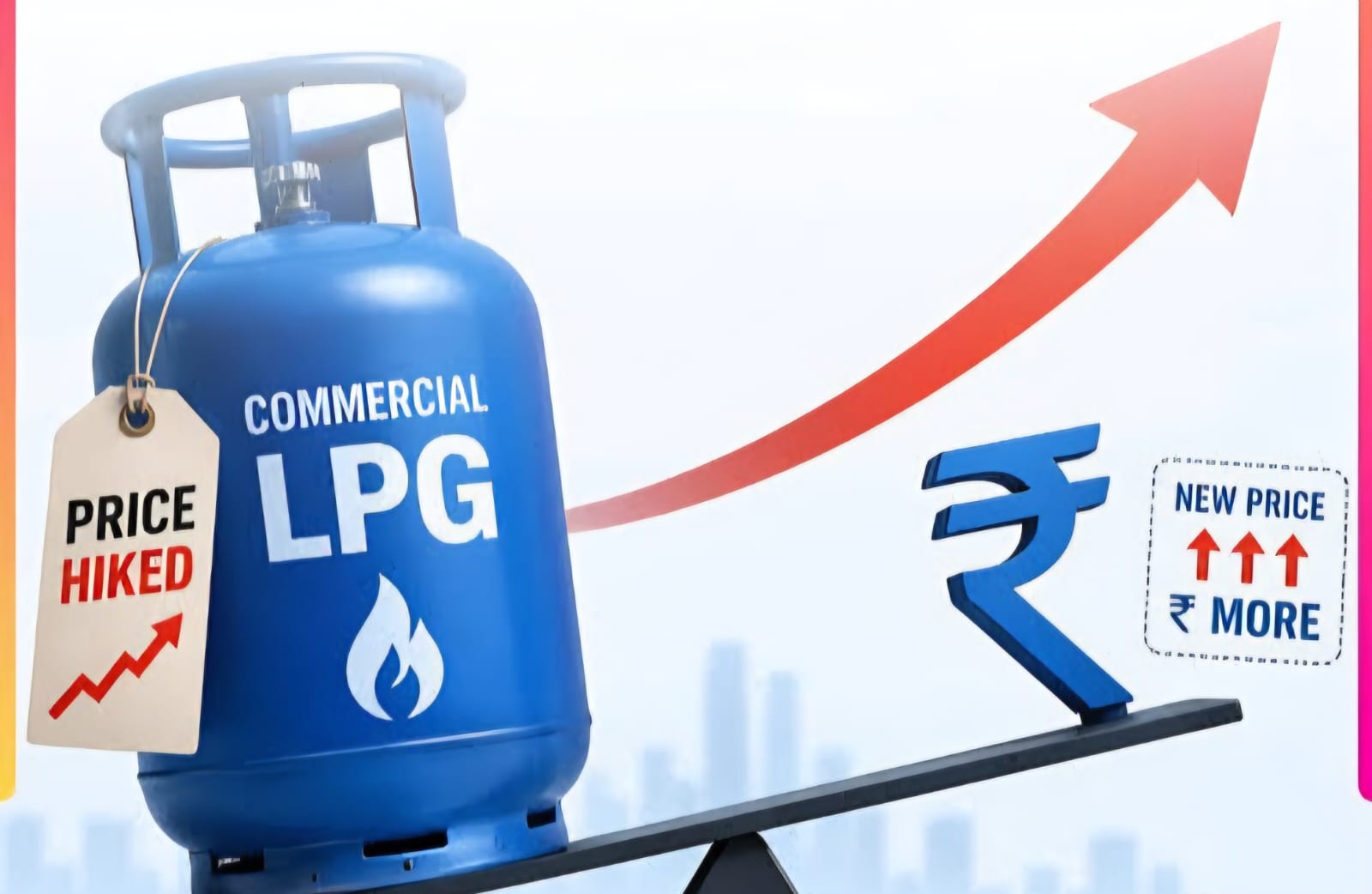
NEW DELHI — State-run oil marketing companies (OMCs) maintained the revised pricing structure for liquefied petroleum gas on Saturday, June 6, 2026, holding household kitchen budgets stable while local businesses absorb the latest fuel cost adjustment. According to official commercial retail pricing schedules, the LPG price today - 6 June stands at Rs 913 per 14.2-kg domestic cylinder in New Delhi, remaining unchanged since a minor baseline correction earlier this year. Conversely, commercial establishments across major economic hubs, including Delhi, Bengaluru, Mumbai, Kolkata, and Chennai, continue to operate under a price increase of Rs 42 to Rs 53.50 per 19-kg cylinder implemented during the monthly fuel cost review.
The divergent pricing model arrives as Indian refiners face escalating margin pressures linked directly to geopolitical tensions in the Middle East. While retail consumers remain insulated from global commodity volatility due to government-aligned subsidy buffers, commercial entities like restaurants, hotels, and industrial caterers face elevated input expenses following consecutive revisions across various alternative fuels, including Compressed Natural Gas (CNG).
Divergent LPG Pricing Across Metro Markets
Retail rates for liquefied petroleum gas vary significantly across different states due to localized transport margins and varying state-level Value Added Tax (VAT) structures. Data released by the largest public fuel retailer, the Indian Oil Corporation, reveals that Kolkata and Chennai carry the highest cost burden for commercial usage, while Mumbai maintains the lowest baseline for both categories.
Domestic vs Commercial LPG Prices (6 June 2026)
| City | Domestic Cylinder Price (14.2-kg) | Commercial Cylinder Price (19-kg) |
| Delhi | Rs 913.00 | Rs 3,113.50 |
| Mumbai | Rs 912.50 | Rs 3,067.50 |
| Kolkata | Rs 939.00 | Rs 3,255.50 |
| Chennai | Rs 928.50 | Rs 3,283.00 |
| Bengaluru | Rs 915.50 | Rs 3,198.00 |
Public sector suppliers, including Bharat Petroleum Corporation Limited and Hindustan Petroleum Corporation Limited, implemented matching pricing schedules to harmonize fuel supply corridors and minimize arbitrage risks between neighbouring regions.
Under-Recoveries and Global Geopolitical Pressures
The primary catalyst for elevated commercial fuel prices remains an extended energy sector disruption in West Asia, which impacts critical trade routes. The Ministry of Petroleum and Natural Gas confirmed that India depends on countries in the Persian Gulf region for nearly 90% of its total LPG imports, leaving domestic supply lines highly vulnerable to regional conflict shocks.
Despite structural improvements in shipping logs, the pricing gap between domestic production costs and retail pricing remains massive. Officials from the oil ministry noted that the under-recovery—the effective loss absorbed by oil marketing companies due to state-mandated consumer retail price caps—remains near Rs 700 per domestic cooking gas cylinder. To mitigate downstream risks, the central government has directed fuel retailers to expand inventory infrastructure significantly.
Official Sources Section
Regulatory briefings indicate that refineries are functioning at peak levels, keeping domestic output stable at 52,000 metric tonnes daily against an estimated total national demand of 72,000 metric tonnes. To counter localized black-marketing and illegal diversion of subsidized household cylinders into commercial kitchens, enforcement units have carried out more than 6,500 targeted inspections across the country over the last week.
Quote Section
"The supply situation in the country today is normal. The citizens should avoid panic purchase of petrol, diesel and LPG as the government is pulling out all stops to ensure the availability of all essential items," stated Defence Minister Rajnath Singh in a public address regarding energy distribution.
"We are working on strategic reserves. Oil marketing companies have been asked to work out a plan to have LPG reserves for a minimum of 30 days with them, and they are working on it," explained Sujata Sharma, Joint Secretary in the Ministry of Petroleum and Natural Gas.
Why It Matters
The widening cost gap between domestic and commercial cooking gas affects businesses and citizens differently:
For Consumers: Budgets for domestic households remain secure in the near term, keeping food inflation from directly impacting home-cooked meals.
For Small Businesses: Street vendors, small tea stalls, and budget eateries using 19-kg commercial cylinders face narrowing profit margins, which may result in higher prices for consumers dining out.
For Corporate Investors: Sustained under-recoveries near Rs 700 per household cylinder continue to restrict the short-term cash flows and profitability margins of major state-owned oil refining corporations.
Key Facts at a Glance
Domestic Stability: Price for a standard 14.2-kg domestic cylinder stays locked at Rs 913 in Delhi and Rs 912.50 in Mumbai.
Commercial Jump: The 19-kg commercial gas cylinder costs Rs 3,113.50 in the capital after a recent Rs 42 upward adjustment.
Supply Deficit: Domestic refineries produce up to 52,000 metric tonnes of LPG daily, relying on imports to cover the remaining 20,000 metric tonnes of daily demand.
Policy Mandate: Public sector fuel companies must now build specialized storage capacity to maintain a 30-day emergency fuel supply reserve.
FAQ Section
1. Why are commercial LPG cylinder prices rising while domestic rates stay unchanged?
The central government shields households from global energy shocks by matching domestic pricing with subsidized under-recovery policies. Commercial pricing is tied directly to international fuel benchmarks, currency trends, and import freight costs.
2. What is the current price of a 5-kg Free Trade LPG (FTL) cylinder?
Following the latest adjustment by oil distribution companies, the price of a small 5-kg FTL cylinder has increased by Rs 11, bringing the retail price to Rs 821.50 in New Delhi.
3. Are there any fuel supply shortages expected due to the Middle East tensions?
No. The Ministry of Petroleum and Natural Gas has assured the public that fuel stockpiles remain sufficient, distribution channels are running normally, and there are no reports of regional distribution facilities running dry.
Source: Ministry of Petroleum and Natural Gas, Indian Oil Corporation (IOCL) Retail Pricing System, Inter-Ministerial Press Briefing Records.